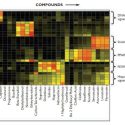
Better drugs by MICROARRAY By Dr Mark Schena Microarray analysis allows the elucidation of biological processes and pathways on a genomic scale. This revolutionary technology promises an unprecedented view of drug action and side reaction, the ability to identify drug targets and optimise lead compounds, the capacity to predict patient… Read More
Predictive chemoinformatics applications to the pharmaceutical industry By Dr Leslie J. Browne and Laurie L.Taylor While significant advances in chemoinformatics present tremendous opportunities to improve human health, the future of chemoinformatics in the pharmaceutical industry is not without significant challenges. Chemoinformatics is the result of collective advances in chemistry, biology,… Read More
CNS Drug Discovery - Realising the dream By Dr Julie C. Barnes and Dr Ann G. Hayes Over the years, the discovery of drugs for treating neurological and psychiatric diseases has proven to be one of the highest risk areas in the pharmaceutical industry. Despite the huge resources that have… Read More
Proteomatics - New information resources for proteomics By Dr David J Parry-Smith and Dr David S Bailey Proteomics is the science of understanding protein architectures at a supramolecular level, whereas the realm of understanding the organisation of biological information in its totality belongs to bioinformatics. Somewhat more prosaically, industrial bioinformatics… Read More
The importance of using human-based models in gene and drug discovery By Dr Michael G. Palfreyman, Dr Vinod Charles and Jeffrey Blander Completion of the human genome sequence has opened an unprecedented opportunity to discover the genetic contribution to many of the complex diseases that afflict humans and to use… Read More
Fine-tuning the technology strategies for lead finding By Sandra Fox, Dr Shauna Farr-Jones, Dr Lynne Sopchak and Dr Helen Wang HTS has become the workhorse of pharmaceutical and biotechnology companies' drug discovery efforts, with expanding responsibilities and increasing pressures to screen more targets with better compound libraries to find high-quality… Read More
Monoclonal Antibodies - Magic bullets or a shot in the dark By Dr Fiona Adair It has been 16 years since the first monoclonal antibody was approved for therapy in acute transplant rejection. Now, with a further nine therapeutic monoclonal antibodies approved for use and some 16 in phase III… Read More
SNP Genotyping in Drug Development By Dr Nicholas C. Dracopoli and Dr Kim E. Zerba SNP-based candidate gene analyses are likely to have a significant impact on predicting drug efficacy and will, undoubtedly, impact on the pharmaceutical industry's development strategies as a whole over the next few years. The human… Read More
By Dr Mark L. Nelson Less than a hundred years ago, if you developed a microbial infection your immune system couldnt handle, you died. Then came the wonder drugs, antibiotics capable of fighting the infections for you. But times have changed. Now, because of antibiotics, their use and misuse, the… Read More
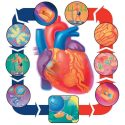
The Future of Cardiovascular Gene Therapy By Christopher J. Reinhard Advances in regenerative medicine go hand in hand with new perspectives and insights into potential treatments for heart disease. After a decade of pre-clinical and early Phase 1 and 2 clinical studies, gene therapy is now emerging as a genuine… Read More
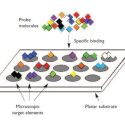
Chemical microarrays - The drug discovery superhighway By Elaine Seeskin While producing targets was once the bottleneck in the drug discovery process, in the post-genomic era this has been superseded by the requirement for high-quality lead structures. As a result of the pool of genomic data and countless unvalidated targets… Read More
Business strategy for implementation of biomarkers in drug development By Miles Flamenbaum With pharmacoproteomic biomarkers being the subject of focus among regulatory agencies as well as research institutions, many pharmaceutical companies are increasing their interest and investment in biomarker strategies. This article discusses the potential for new efficiencies and cost… Read More
By Dr Patrick J. Vojta, Vincent P. Kazmer and Dr Larry D. Kier Adverse drug responses are an important post-marketing public health issue, occurring many times in subsets of treatment populations. Promising new approaches to predicting physiological responses to drugs are focused on genomic responses or toxicogenomics (1). This article… Read More
Proteomics In Drug Target Discovery - High-throughput meets high-efficiency By Dr Terence E. Ryan and Dr Scott D. Patterson Biochemistry is enjoying a renaissance under the guise of 'proteomics' due to the availability of sequenced genomes, advances in mass spectrometry and associated data analysis. Its application to drug discovery and… Read More
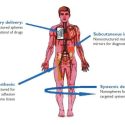
Silicon Technology and Pharmaceutics by Professor Leigh T. Canham, Dr Roghieh S. Saffie, Stephen E. Connor and Dr Roger Aston The recent discovery that, following nanostructuring, silicon can be rendered biocompatible and biodegradable has far reaching and profound long-term implications for the pharmaceutical industry and, indeed, medicine as a whole. Read More
The genomics revolution is poised to sweep aside the old economics of pharmaceutical R&D. The biotechnology and pharmaceutical industries; and perhaps healthcare delivery in general; are on the brink of transformation, and companies that embrace the revolution in the right way stand to reap enormous benefits. Developing a new drug… Read More