Share Share Tweet Email A perspective on scientific innovation in the pharmaceutical industry A perspective on scientific innovation in the pharmaceutical industry By Dr Joseph B. Bolen With a tarnished reputation and a lack of sustainable innovation this article argues that, maybe, it is time for the pharmaceutical industry to… Read More
Early Validation: The difference between success and failure? By Mike Benevento and Victor Bornsztejn Validation is typically associated with drug production and manufacturing, and often considered not to impact drug discovery and development. In fact, this assumption is not true and despite the fact that early-stage research may not require… Read More
Restructuring Proteomics to Enable Personalised Cancer Care By Dr Henry Rodriguez The genomics community has made great strides in our understanding of the molecular basis of cancer and these advances are slowly beginning to change the way we diagnose and treat patients. But genomic studies alone cannot capture the complete… Read More
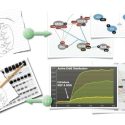
The Benefits of Biological Modelling By Gordon Webster The enormous challenge posed by the complexity of biological systems represents a potential intellectual impasse to researchers and threatens to stall future progress in basic biology and healthcare. In recent years, increasing reliance on correlative approaches to biology has failed to resolve… Read More
Stem Cell Applications and Opportunities in Drug Discovery By Dr Mark A. Thiede The high attrition rate of late stage drug candidates has led the pharmaceutical and biotech industries to a reassess the in vitro models used to select and validate drug targets and subsequent lead molecules. Traditional cell lines… Read More
The Microplate Market Past, Present and Future By Dr Peter Banks Microplates and the peripheral markets of liquid handling and detection technologies exist within almost all laboratories performing assays. This article discusses what, if any, are their growth expectations and whether there are new technologies on the horizon that could… Read More
Building a Robust Portfolio of New Medicines to Combat Malaria By Dr Timothy N.C. Wells Malaria is one of the biggest killers of our time. Current estimates from the World Health Organisation (WHO) suggest that more than 250 million people are at risk worldwide. More significantly, almost a million people… Read More
A Bronchoscopically Administered Therapeutic Approach to Advanced Emphysema By Dr Edward E. Berger Emphysema is a progressive, debilitating disease that affects approximately 4.1 million people in the United States or roughly 1% of the US population. The disease is characterised by destruction of lung tissue as a result of inflammation… Read More
High Throughput Screening in Academia - Drug discovery initiatives at the University of Kansas By Dr P McDonald, Dr Roy, Byron Taylor, Ashleigh Price, Dr Sittampalam, Dr Scott Weir, Dr Chaguturu Academia has historically been involved in exploring the fundamental aspects of the disease targets and in developing tool molecules… Read More
Prediction versus Attrition in Drug Discovery & Development By Professor Malcolm Young The research-intensive part of the pharmaceutical industry is facing unusual commercial difficulties, whose elements are now well-known. A substantial number of very valuable drugs have gone, or are about to go, off patent; too few good new premium… Read More
Challenges in Transferring Bioanalytical Methods By Dr Chris Beaver Drug development is arduous and expensive with any delay to market resulting in significant financial impact. Delays at any stage of the process cause challenges to programmes, however, some are easier to predict and plan for than others. Development of bioanalytical… Read More
Data Overflow Progress in Automating and Streamlining Data By Peer Staehler The genomic world moves faster and faster. The pool of data has exploded exponentially in the past few years due to the growing knowledge about the relevance of genomic findings for medicine and the environment. Like all other developing… Read More
Transcending Proteasome Inhibition for the Treatment of Cancer By Dr Mark Rolfe Healthy cellular function requires a carefully controlled balance between protein synthesis and protein degradation, a process known as protein homeostasis. The major intracellular pathway for controlling protein degradation is the ubiquitin proteasome system (UPS). Specific pharmacological inhibition of… Read More
Screening the Human Kinome - Expectations Met or Promises Pending? By Dr Richard M. Eglen Protein kinases are important targets in drug discovery programmes aimed at treating cancer, autoimmune disorders, diabetes and neurological disorders. Novel information on kinase biology is opening up other approaches in the design of selective inhibitors… Read More
Is Amyloid-related Toxicity an Inevitable Consequence of Ageing? By Dr J Mark Treherne and Dr David IC Scopes Amyloid-related toxicity need not necessarily be the inevitable consequence of ageing, if some of the new drug discovery strategies to treat neurodegenerative and other ageing-related diseases succeed in the clinic. An increasing… Read More
Advances in Antibody Therapy - A promising new approach to how we treat cancer By Dr Patrick A Baeuerle Antibodies available today for cancer treatment, while effective, are typically used in combination with standard therapies because their activity as monotherapy is limited. Currently, four conventional antibody products dominate the oncology… Read More