Current Trends in Label-Free Drug Discovery Technologies By Philip Rawlins Drug Discovery Label-free technologies have been used throughout drug discovery for the detection and characterisation of molecular interactions. The implementation of automated systems, increased sensitivity and the development of new technologies have recently broadened the use of label-free methods from… Read More
High Throughput Flow Cytometry for Discovery at UNMCMD and the NIH Molecular Libraries Initiative By Dr Larry A. Sklar and Dr Bruce S. Edwards Commercial flow cytometers became widely established in research and clinical laboratories in the 1980s. Once the domain of immunologists and hematologists for cell sorting and analysis,… Read More
Biomarkers Make Their Mark on Current Research and Drug Development Trends By Stephane Parent and Dr Gregory Cosentino Biomarkers continue to become increasingly relevant in research and healthcare applications, as evidenced by the global market for products involved in their identification, validation, and use estimated at $8.3 billion in 2007… Read More
Recent Technology Advances Transforming Pharmaceutical Drug Discovery and Development By Dr Coiln Brenan, and Dr Bill LaMarr The last decade has seen rapid technological progress but with increasing demands for safe and efficacious drugs, technological solutions that reduce the barriers to clinical success will be of more interest than those… Read More
High Throughput Screening, High Content Screening, Primary and Stem Cells By Dr Richard M. Eglen Over the past decade, the use of cell-based assays has accelerated in modern drug discovery. Indeed, the majority of assays in either target validation or lead identification/optimisation all now employ cell-based technologies. Furthermore, a wide… Read More
Biomarker Signal Definition By Dr Gordon F. Kapke and Dr Nigel Brown Due to the numerous challenges in the industry, pharmaceutical companies are examining all aspects of the drug development process and rebuilding their associated business models as necessary. Companies need to improve success in late stage development, but what… Read More
The Potential of High-resolution Human Immune Cell Assays to Aid the Pre-clinical to Clinical Transition of Drug Development Projects By Dr Catherine A. Brady The effort to develop drugs that interact with the human immune system (whether by accident or design) has been dogged by a mismatch between the data… Read More
A Bronchoscopically Administered Therapeutic Approach to Advanced Emphysema By Dr Edward E. Berger Emphysema is a progressive, debilitating disease that affects approximately 4.1 million people in the United States or roughly 1% of the US population. The disease is characterised by destruction of lung tissue as a result of inflammation… Read More
Treating Rheumatoid Arthritis with Disease-Modifying Antirheumatic Drugs (DMARDs) and Biologics By Dr William E. Fogler Successful treatment paradigms for newly diagnosed rheumatoid arthritis (RA) now rely on aggressive pharmacotherapy approaches with disease-modifying antirheumatic drugs (DMARDs). Despite risks of toxicity and adverse effects, combination strategies with DMARDs are finding greater clinical… Read More
Is Amyloid-related Toxicity an Inevitable Consequence of Ageing? By Dr J Mark Treherne and Dr David IC Scopes Amyloid-related toxicity need not necessarily be the inevitable consequence of ageing, if some of the new drug discovery strategies to treat neurodegenerative and other ageing-related diseases succeed in the clinic. An increasing… Read More
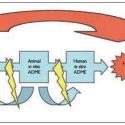
Perspectives for ADMET Integration in the Discovery Process By Dr Constance Hofer ADMET (ADME/Tox), is a relatively new symbiotic acronym for the investigation of basic compound behaviour in terms of absorption, distribution, metabolism and excretion, combined with assessments of toxicity. The emergence of ADMET instead of ADME reflects the growing… Read More
Opportunities in Gastroenterology By Dirk Reyn Despite being one of the world's largest therapeutic areas and presenting huge burdens to healthcare and economies globally, many of the diseases of the gastrointestinal (GI) tract are not well understood and less than optimally treated. This article discusses that, given the large public… Read More
Personalised Medicine - Technological innovation and patient empowerment or exuberant hyperbole? By Adam W. Culbertson, Dr Stephen J. Valentine and Dr Stephen Naylor The current paradigm of modern healthcare focuses on patient symptoms, subsequent diagnosis and corresponding treatment of the specific disease(s). Escalating healthcare costs and a trial and error… Read More
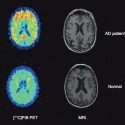
By Dr Jean-Luc Vanderheyden As the experience and advances in Positron Emission Tomography (PET) imaging grows, so does the belief that this technology can have a key role to play in ushering in an era of personalised medicine while also offering an enormous contribution in reducing the attrition rates in… Read More
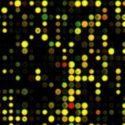
The Role of Microarray Technology in Pharmaceutical Development and Diagnostics By Richard Fisler The expectation that microarray technology will play a large role in shaping the future of pharmaceutical development and diagnostics has greatly increased due to new products and applications. Microarrays for gene expression have made a profound impact… Read More
Ultra-sensitive measurement of protein and nucleic acid biomarkers may enable earlier disease detection and more effective therapies By Dr Gregory Shipp The pharmaceutical industry is striving to develop effective new therapies for diseases, ranging from cancers to cardiovascular and neurodegenerative disorders to a host of metabolic, infectious and genetic conditions,… Read More