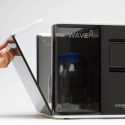
15 May, 2020 The Swiss next-generation bioanalytical instruments specialist announced a collaboration with Adriano Aguzzi, Professor for Neuropathology, University of Zurich, to characterise immunological responses to SARS-CoV-2 such as IgA, IgM and IgG antibodies, which signal whether an individual has been exposed to the coronavirus. The collaboration aims… Read More
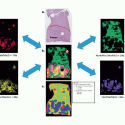
Innovative glycan imaging methods drive cancer biomarker discovery By Dr Richard Drake, Dr Anand Mehta and Dr Peggy Angel Volume 21 Issue 2 - Spring 2020 Glycosylation accounts for the majority of post-translational modifications (PTMs) of proteins, and changes in glycosylation are known to play a key role in disease… Read More
Optimising Phenotypic Screening - Single-cell analysis versus 3D multicell analysis By Dr Richard M. Eglen In light of the high failure rate of compounds when they are subjected to clinical testing, we are seeing a renaissance in phenotypic screening in drug discovery. However, most phenotypic screening is based on the… Read More
2030 Life Sciences and Health in the Digital Age (Part 1) By Dr Steve Arlington and John Wise One of the key ways in which The Pistoia Alliance works with its members is to help them not just deal with the problems of today, but also to look ahead, to… Read More
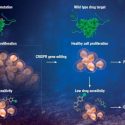
Fail Early, Fail Fast - A phenotypic rescue approach By Dr Anne-Marie Zuurmond, et al. New disease targets frequently emerge in literature, but the thorough target validation required to consider these targets for a drug discovery programme is often lacking. In pharmacological or genetic perturbation studies using complex biological assays,… Read More
Automating Automation - How close are we to Artificial Intelligence impact? By Dr Michael A. Tarselli, Dr Yohann Potier and Dr Alan E. Fletcher In terms of consistency, repeatability, known errors and sheer volume, there exists perhaps no better collection of data for computer learning than that emerging from automated… Read More
Systems Pharmacology: When multi-targeting is advantageous By Dr Kirkwood A. Pritchard Jr, Dr Dustin P. Martin and Dr Stephen Naylor The safety and efficacy of therapeutic drugs still requires improvement. In part this is due to the promiscuity of individual drugs, which on average can interact with an estimated 6-28… Read More
The Growth of Organoids in Cancer Drug Discovery By Dr J. Mark Treherne, et al., Will the automated expansion of organoids help improve the productivity of cancer drug discovery? Increasingly, complex cell-based assays and tissues are routinely used as part of cancer drug discovery. However, conventional monolayer or suspension cultures… Read More
Beyond SEND: Leveraging non-clinical data to drive translational research forward By Katherine Briggs, et al., This article will discuss some of the potential use cases that Standard for Exchange of Nonclinical Data (SEND), datasets can support. Both to advance translational research across multiple research sites and also to drive efficiencies… Read More
Increasing Drug Discovery Success With 3D Cell Culture Systems By Dr Richard M. Eglen, Dr Feng Li and Dr Tony Frutos Drug candidates often fail in the clinic for two reasons: they lack efficacy or possess an adverse toxicity profile. These failures can come at a high cost, especially when… Read More
The Future Of Drug Discovery - Cutting-edge technologies meet traditional paradigms in assay development By Dr Roger Bosse With more than 1,500 drugs approved by the Food and Drug Administration (FDA) on the market, the easiest disease targets are already covered (1). Today’s scientists are challenged to find new compounds,… Read More
Disruptive Approaches To Accelerate Drug Discovery and Development (Part 2) By Dr Anton Fliri, et al. Part 2: Emergent intelligence, a new paradigm for drug discovery. (You can read part 1 of disruptive approaches to accelerate drug discovery and development linked here.) The staggering clinical trial failure rate of experimental… Read More
The Use of Next-Generation Sequencing in Drug Development By Keith Nangle & Mike Furness This article summarises some of the technical and regulatory challenges posed by next-generation sequencing technologies and the efforts being made to address them. Next-generation sequencing (NGS) has moved from the realm of research into those of… Read More
How The B6 Mouse Strain is Revolutionising Drug Discovery By Dr Philip Dube Inbred mice are critical tools in biomedical research and one particular strain, known as C57BL/6 (Black 6 or B6, for short), is rapidly becoming the standard model for many applications and revolutionising modern research. Understanding the B6… Read More
The Rise of Immunotherapies - Strategies to Accelerate Their Advance Into Clinical Trials By Edward Cribb The striking rise of immunotherapies in the past decade has had a transformative effect on the prospects for the treatment of patients with cancer. Also referred to as biologic therapies, immunotherapies are a new… Read More
The Importance of Heterocyclic Compounds in Anti-Cancer Drug Design By Simon Pearce Heterocycles are key structural components of many of the anti-cancer drugs available on the market today. Indeed, of the novel molecular anti-cancer agents approved by the FDA between 2010 and 2015, almost two-thirds contained heterocyclic rings within their… Read More