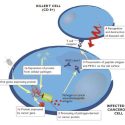
New developments in antigen-specific immunotherapies By Dr Jorg Schneider and Professor Andrew J. McMichael Novel therapeutic vaccines offer hope in the fight against chronic infectious disease and cancer. Vaccination has been used effectively for more than 200 years to protect individuals from a range of infectious diseases such as polio… Read More
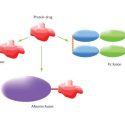
Second-Generation Protein Drugs By Dr Jeffrey C.Way The first biotech revolution was catalysed in the late 1970s with the development of recombinant DNA technology. This revolution generated numerous billion-dollar protein drugs such as erythropoietin and the interferons. Now that the patents on these drugs are expiring, will second generation proteins,… Read More
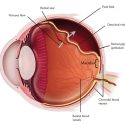
New Visions in Ophthalmic Drug Development By Dr Benjamin R. Yerxa, Dr Ward M. Peterson and Robin S.Whitsell Over the last 10 years we have seen the introduction of several new 'ophthalmology only' pharmaceutical products emerge such as Trusopt (dorzolamide, Merck) and Xalatan (latanoprost, Pharmacia). Innovative products such as these… Read More
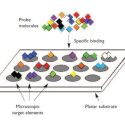
Better drugs by MICROARRAY By Dr Mark Schena Microarray analysis allows the elucidation of biological processes and pathways on a genomic scale. This revolutionary technology promises an unprecedented view of drug action and side reaction, the ability to identify drug targets and optimise lead compounds, the capacity to predict patient… Read More
Share Share Tweet Email Stem Cell PHARMACEUTICS Stem Cell PHARMACEUTICS By Dr Gregory G. Lennon Recent research advances in the understanding of stem cell properties are inevitably leading to therapeutic strategies potentially applicable to many diseases. The pharmaceutical manipulation of multipotential cells such as stem cells is therefore now primed… Read More
By Dr Ian Gilham The increasing cost of healthcare along with new opportunities for improved treatments puts ever increasing pressures on healthcare budgets. In recent years the diagnostic industry in particular has been the target of a number of cost-cutting exercises by governments and payers aimed at restricting the utilisation… Read More
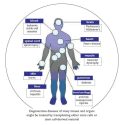
The importance of using human-based models in gene and drug discovery By Dr Michael G. Palfreyman, Dr Vinod Charles and Jeffrey Blander Completion of the human genome sequence has opened an unprecedented opportunity to discover the genetic contribution to many of the complex diseases that afflict humans and to use… Read More
By Dr Roger A. Edwards, Dr Kai Zhang and Louise Firth Different companies have employed various techniques and strategies for addressing productivity issues in the chemistry functions within pharmaceutical discovery and preclinical development. We benchmarked lead optimisation, clinical candidate selection, and chemistry support for preclinical development before IND filing in… Read More
Drug development for skin diseases based on functional genomics By Dr Jorn-Peter Halle With the high number of sufferers from skin disease around the world, it is astonishing that there are relatively few treatments available and that many of these only serve to relieve symptoms. Can drug development based on… Read More
Monoclonal Antibodies - Magic bullets or a shot in the dark By Dr Fiona Adair It has been 16 years since the first monoclonal antibody was approved for therapy in acute transplant rejection. Now, with a further nine therapeutic monoclonal antibodies approved for use and some 16 in phase III… Read More
Lead Generation and Lead Optimisation: the value of linking HT co-structure analysis and HT chemistry By Dr David U Prichard The coupling of High Throughput co-structure analysis with focused library generation is not only proving a powerful general tool in lead optimisation but also increasing the probability of successful discovery… Read More
By Dr Mark L. Nelson Less than a hundred years ago, if you developed a microbial infection your immune system couldnt handle, you died. Then came the wonder drugs, antibiotics capable of fighting the infections for you. But times have changed. Now, because of antibiotics, their use and misuse, the… Read More
The Future of Cardiovascular Gene Therapy By Christopher J. Reinhard Advances in regenerative medicine go hand in hand with new perspectives and insights into potential treatments for heart disease. After a decade of pre-clinical and early Phase 1 and 2 clinical studies, gene therapy is now emerging as a genuine… Read More
Obesity - The 21st century disease By Diane L. McBay and Dr Colin T. Dourish Obesity will be the leading cause of death and disability in the 21st century. This epidemic is largely attributable to increasingly sedentary lifestyles and the abundance of tasty, high-fat foods. Obesity increases the risk of… Read More
Channelling Drug Discovery - Current trends in ion channel drug discovery research By Dr David Owen and Andrew Silverthorne Ion channels are proteins that span cell membranes thus forming conduits or 'channels' through which charged ions such as sodium and potassium can pass across a normally impermeant barrier such as… Read More
Business strategy for implementation of biomarkers in drug development By Miles Flamenbaum With pharmacoproteomic biomarkers being the subject of focus among regulatory agencies as well as research institutions, many pharmaceutical companies are increasing their interest and investment in biomarker strategies. This article discusses the potential for new efficiencies and cost… Read More