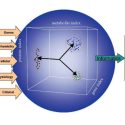
Systems biology, information, disease and drug discovery By Professor Stephen Naylor Pharmaceutical companies are confronted with an urgent need to increase their lead compound and clinical candidate portfolios and to satisfy market demands for continued innovation and revenue growth. The lack of improved productivity and limited drug pipeline growth is… Read More
By Dr Ashok R Dongre, Dr Douglas Robinson, Dr Mark E Curran and Dr Nicholas C Dracopoli Molecular profiling is becoming increasingly important as a tool for the discovery and implementation of novel biomarkers for use in drug development. Modern profiling methods permit comprehensive analysis of biological systems that allow,… Read More
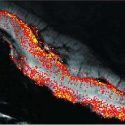
Tissue Microarray (TMA) - A step ahead in drug discovery By Dr CR Camozzi Estimation of the clinical importance, market size and therapy-related side-effects are key questions in drug development. The ever-rising costs of drug discovery and development ($800-1,500 million for a successful drug research project) together with demonstrated uncertainty… Read More
Failure rates in drug discovery and development: will we ever get any better? By William Bains Drug discovery is an expensive, slow and risky business. An analysis which takes into account projects which neither succeed nor fail suggests that it costs more than $1 billion to launch a technically successful… Read More
Novel concepts and therapeutic options for the treatment of schizophrenia By Dr Karoly Nikolich and Dr Roman Urfer Schizophrenia affects a large number of individuals irrespective of social status and education. Current treatments of schizophrenia represent the second largest central nervous system (CNS) pharmaceutical market, exceeding $12 billion per year. Read More
Gene Expression: Analysis and Drug R&D By Dr Ralph Sinibaldi It is clear that gene expression profiling systems have a role to play in many facets of drug discovery and development, but several questions remain. We take a look at the use of DNA microarray for gene expression or expression… Read More
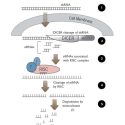
Using RNAi to identify and validate novel drug targets: targeting human kinases with an siRNA library By Andrea Kroenke, Anne Grabner, Dr Michael Hannus, Dr Christoph Sachse, Dr David Dorris and Dr Christophe Echeverri Libraries of siRNAs directed against predefined subsets of genes now offer the capacity to greatly accelerate… Read More
Protease Inhibitor Therapeutics for Respiratory Disease By Dr Philip J. Barr Disruption of the natural equilibria between proteases and their cognate inhibitors is a common feature of inflammatory disease. When this occurs in the lung, the effects can lead to irreversible impairment of pulmonary function. Although protease inhibition has been… Read More
New Flash Imagers: Facilitating higher throughput functional GPCR assays By Dr John Comley The recent availability of tailored automation solutions that combine liquid handling at the reading position with the latest innovations in low light imaging technology are providing screeners with new tools for the measurement of high throughput flash… Read More
DNA repair inhibition to treat cancer and other serious illnesses By Professor Stephen P. Jackson and Cheryl L. Bishop The stability of an organism's genome is essential for healthy functioning and survival. The information content and integrity of the genome are so important that a range of maintenance and repair… Read More
PATCHERS vs SCREENERS: divergent opinion on high throughput electro-physiology By Dr John Comley The prospect of enabling higher throughput electro-physiology (patch-clamping) has created much expectation from scientists within the ion channel community. Yet there are opposing views among traditional electro-physiologists and screeners as to the needed specification and the preferred… Read More
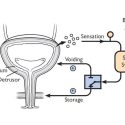
Urinary troubles for more than the ageing By Dr Anthony PDW Ford The needs of younger incontinence sufferers coupled with the ageing of the baby-boomer population portend a big boost in demand for effective and well tolerated new medicines for lower urinary-tract dysfunction. This market is under-served today, presenting a… Read More
Biotechnology-based Orphan Drugs - Achievements and challenges By Dr Erik Tambuyzer For many patients suffering from rare diseases, there are simply no medicines available to treat their condition. With an estimated 20-30 million such patients in Europe alone, rare diseases collectively represent a significant unmet medical need. Individual disease groups,… Read More
ASSAY INTERFERENCE - A limiting factor in HTS? By Dr John Comley With current HTS focused on better quality hits, the necessity to differentiate between true and false results puts increasing emphasis on the robustness of the assay technology. This article explores the common causes of assay interference, the effect… Read More
Molecular pathology and the art of drug design By Dr Keith McCullagh The current explosion of interest in sophisticated genomic technologies, computerised robotics and high throughput screening of diverse molecular libraries appears to have been associated with a reduction in research productivity in recent years, as judged by the rate… Read More
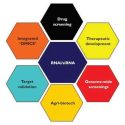
RNA interference - A technology platform for target validation, drug discovery and therapeutic development By Dr Krishnarao Appasani In the post genomic era, elucidation of the physiological function of genes has become a major rate-limiting step in the quest to develop 'gene-based-drugs'. As we advance in the 'functional omics' arena… Read More