The Benefits Of Drug Repositioning By Dr Aris Persidis Drugs in development, on the market, or those that are shelved because of lack of efficacy, are excellent starting points for further development. Finding new indications for such drugs will benefit patients who will see a potential new therapy sooner, will… Read More
Balancing A Biologics Pipeline Portfolio By Dr Herren Wu Research into groundbreaking biologic therapies has significantly shifted the diagnosis and treatment paradigms for many disease categories, particularly in oncology, autoimmune, inflammation and neurology. Discovering and developing an innovative, first-in-class biologic has the potential to offer patients significant benefits as well… Read More
Protein Biomarker Immunoassays: Opportunities and Challenges By Dr M. Walid Qoronfleh and Dr Klaus Lindpaintner With the biopharma industry under heavy pressure, transforming the scientific interchange between the laboratory and the clinic is exceedingly critical. Realising the costly toll of drug attrition in late-stage development, many companies are turning to… Read More
Induced Pluripotent Stem Cells: A model for transforming drug discovery By Dr Dwight Morrow and Dr Julie Holder Induced pluripotent stem (iPS) cells have the potential to transform drug discovery by providing physiologically relevant cells for toxic compound identification, target validation, compound screening, and tool discovery. The technology for generating… Read More
New Ways to Optimise Therapeutic and Diagnostic Antibodies By Dr Markus Enzelberger Monoclonal antibodies are the fastest-growing category of research within the biotech and pharmaceutical industries. Several monoclonal antibodies are listed in the top 10 selling blockbusters, and the market forecast predicts that the number of monoclonal antibodies within the… Read More
Neutron Scattering Provides Unique Insights for Drug R&D By Dr Martyn Bull Drug discovery and development is a long and expensive process. Techniques, such as computer modelling, that make the search for promising candidates easier are usually taken up enthusiastically. Neutron scattering, an emerging technique in this field, can provide… Read More
New Mechanisms and Expanded Indications for Biologic Therapies: a perspective on immunology research and development By Dr Susan B. Dillon Over the past decade, the introduction of biologic therapies has had a profound impact for millions of patients with immune-mediated arthritides, inflammatory bowel diseases and plaque psoriasis. Today, five anti-Tumor… Read More
High Throughput Flow Cytometry for Discovery at UNMCMD and the NIH Molecular Libraries Initiative By Dr Larry A. Sklar and Dr Bruce S. Edwards Commercial flow cytometers became widely established in research and clinical laboratories in the 1980s. Once the domain of immunologists and hematologists for cell sorting and analysis,… Read More
Biomarkers Make Their Mark on Current Research and Drug Development Trends By Stephane Parent and Dr Gregory Cosentino Biomarkers continue to become increasingly relevant in research and healthcare applications, as evidenced by the global market for products involved in their identification, validation, and use estimated at $8.3 billion in 2007… Read More
New Trends and Therapeutic Approaches for the Management of Diabetic Retinopathy By Dr Didier Pruneau Diabetes mellitus is a growing epidemic that has become a global public health problem. The long-term complications of diabetes include retinopathy, the leading cause of blindness and visual impairment in adults. Diabetic retinopathy correlates with… Read More
Overview of Companion Diagnostics in the Pharmaceutical Industry Part 2: Business models. By Dr Stephen Naylor and Toby Cole There is an emerging consensus that the development of Companion Diagnostics appears to offer a set of tools to address many of the current problems that pharmaceutical companies must overcome. This in… Read More
Stem Cells for Cellular Therapy Space By Dr Enal S. Razvi and Dr Gary M. Oosta This article explores the emerging market landscape vis--vis the use of stem cells as cellular therapeutics. For more than 40 years, hematopoietic stem cells have been utilised as cellular therapeutics in a number of… Read More
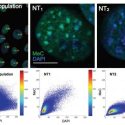
Utilising 3D nuclear DNA methylation patterns in cell-based assays for epigenetic drug screening By Professor Jian Tajbakhsh, Professor Arkadiusz Gertych and Professor Daniel L Farkas Since epigenetic changes are thought to underlie a wide range of complex diseases, the scope of epigenetic drug therapy is likely to expand, as epigenetic… Read More
By Dr Stephen Naylor and Toby Cole In this article we describe the current state of Companion Diagnostics and its impact on the pharmaceutical sector, and the need for Companion Diagnostics in the drug discovery and development process. This perspective is augmented by a consideration of the development of Companion… Read More
Singapore Strengthens Position as Leading Site for Biopharmaceutical R&D By Kian-Teik Beh Globally, pharmaceutical and biotech companies are confronted by an impending patent cliff, while being challenged with declining research and development (R&D) productivity and the need to integrate multidisciplinary scientific capabilities. Against this backdrop, Asia presents… Read More
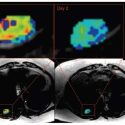
By Dr Susanta K. Sarkar The current challenges facing drug discovery and development in terms of attrition are well documented. This article discusses how molecular imaging approaches from bench to bedside can not only streamline drug development, but also open up new opportunities in the treatment management of targeted therapies. Read More