8 Years of Surveying Ion Channel Screening – Has anything changed? By Dr John Comley No review of ion channel screening over the past decade can avoid discussing the pivotal role played by automated electrophysiology. Arguably this technology, more than any other, has opened up the field… Read More
Dr Wilma Keighley Generally kinetics are only investigated late in a programme by which time many compounds, slightly less potent but with a much better kinetic profile, have already been discarded. This paper argues that having kinetic information at the early stages of drug discovery can… Read More
Utilising Biomarkers to Eliminate Drug Candidates with Cardiotoxicity in Preclinical Development By Dr Federica Crivellente The rapidly escalating costs of drug development is causing the biopharmaceutical industry to focus its R&D efforts on identifying new technologies and methods that can predict the safety and efficacy of new compounds… Read More
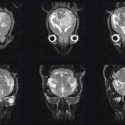
In Vivo Preclinical Imaging – An Essential Tool in Translational Research By Dr John Comley In vivo imaging of small animals (mainly mice) is increasingly being deployed across the drug development process, particularly in the oncology/cancer therapeutic area. One of the main applications is… Read More
Next Generation Flow Chemistry and Biology Platforms: The Impact on Small Molecule Drug Discovery By Dr J Mark Treherne, Dr David M Parry and Christopher N Selway Can the next generation of flow chemistry and biology platforms be fully integrated to transform the efficiency of small-molecule drug… Read More
3D Cell Culture Developments to Improve In Vitro Analyses By Prof Stefan Przyborski Improved in vitro models are required to aid the identification and assessment of candidate molecules for pharmaceutical development. Conventional cell culture models involve the growth of cells on two-dimensional (2D) substrates. Cells adapt to… Read More
Enabling the Promise of Stem Cells By Robert Shaw and Dr Jeff Till The remarkable potential of stem cells to generate several hundred differentiated cell types is driving their use for regenerative medicine and for supporting the traditional drug discovery and development process (Figure 1). Read More
By Michael Werner, Morrie Ruffin and Elizabeth West The regenerative medicine market offers phenomenal opportunities for growth in the next few decades. However, there are still major issues to be addressed to enable this nascent industry to truly flourish, especially with regard to investment and the… Read More
Epigenetics: An Emerging Target Class for Drug Screening By Dr John Comley Heightened awareness of the potential importance of epigenetic targets in many disease areas, and growing vendor interest in developing new assays to screen DNA methylation and histone modifications encouraged HTStec to undertake market research in… Read More
High Throughput Screening Systems: Impact of Reliability on Downtime and Drug Discovery By Dr John Comley This article reports the results of a survey on the reliability of automated HTS assay systems and the effect of reliability on output. Evidence supporting the view that high throughput screening (HTS)… Read More
Protein Biomarker Immunoassays: Opportunities and Challenges By Dr M. Walid Qoronfleh and Dr Klaus Lindpaintner With the biopharma industry under heavy pressure, transforming the scientific interchange between the laboratory and the clinic is exceedingly critical. Realising the costly toll of drug attrition in late-stage development, many companies… Read More
Moving Forward With Label-Free Technology By Dr Jennifer Hartigan, Cindy Liu and William Downey Label-free technology is gaining acceptance and opening doors for new drug discovery. Relatively new in the well-established world of high throughput screening (HTS), label-free technology provides opportunities for probing biomolecular interactions without spatial-interference, auto-fluorescent… Read More
Current Trends in Label-Free Drug Discovery Technologies By Philip Rawlins Drug Discovery Label-free technologies have been used throughout drug discovery for the detection and characterisation of molecular interactions. The implementation of automated systems, increased sensitivity and the development of new technologies have recently broadened the use of… Read More
Bulk Reagent Dispensers: Ubiquitous liquid handling tool for microplate filling By Dr John Comley The initial success of the bulk reagent dispenser (BRD) as an automated liquidhandling product can be attributed to its simplicity and low cost. Its current role as an essential dispensing tool in those… Read More
3D Cell Culture: Easier said than done By Dr John Comley The transition from cell culture on the flat surface of a conventional two-dimensional (2D) culture vessel to a three-dimensional (3D) environment, matrix or scaffold with 3D architecture has begun, and is providing much needed support for… Read More
Tracking HTS Assay Development Time: Opportunity for improving drug discovery By Dr Jennifer Hartigan, Cindy Liu and William Downey High throughput screening (HTS) assays are developed more quickly now due to advances in technology, improved liquid handling and sensitive detection, as well as increased communication between scientists in… Read More