The Protein Biochip Content Problem By Dr Steven Bodovitz The protein biochip industry has a content problem that is not only slowing its development as a whole but possibly the development of the entire proteomics industry. In science, for a problem to have its own name, it needs to be… Read More
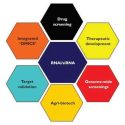
RNA interference - A technology platform for target validation, drug discovery and therapeutic development By Dr Krishnarao Appasani In the post genomic era, elucidation of the physiological function of genes has become a major rate-limiting step in the quest to develop 'gene-based-drugs'. As we advance in the 'functional omics' arena… Read More
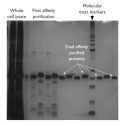
Functional proteomics in drug discovery By Dr Stefan W. Henning and Dr Leodevico L. Ilag The critical bottleneck of the drug discovery process is developing the right drug for the right target. Today proteins represent more than 90% of druggable targets and will most likely remain the single most important… Read More
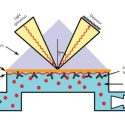
Surface Plasmon Resonance's impact on drug discovery - resolution, throughput and versatility By Dr David G. Myszka and Dr Rebecca L. Rich Surface plasmon resonance (SPR) biosensors have rapidly become a standard tool within the pharmaceutical and biotechnology industries. Label-free, real-time measurements are the calling card for this technology, which… Read More
The role of ZEBRAFISH in drug discovery By Dr Paul Goldsmith and Roberto Solari The NIH has ranked the Zebrafish as the third most important experimental organism after man, the Sanger Centre is sequencing the genome and many medical researchers are shifting over to it. But will the zebrafish have… Read More
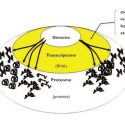
TRANSCRIPTOMICS - Realising the promise with a new era of drug discovery and diagnostics By Dr Bruce Seligmann The advent of modern genomics has provided new ways to link targets to diseases and validate these targets. The result is the potential for a new era of drug discovery transcriptomics or… Read More
Compound Management comes of age By Ian Yates The changing role of compound management in recent years has seen an often under-valued and under-resourced function being recognised as a key part of the drug discovery process. This article examines the challenges faced by compound management teams and, at a high… Read More
Secondary Screening Workstations - The emergence of compact turnkey solutions that work By Dr John Comley With the launch of new workstations focused on secondary screening applications not only are we witnessing the shrinkage of laboratory automation but we are seeing the emergence of true walk-away solutions, ie set up… Read More
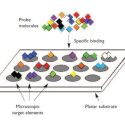
Protein Arrays for Assessment of Target Selectivity By Professor Ian Humphery-Smith, Dr Erik Wischerhoff and Dr Ryuji Hashimoto Transforming knowledge of the human genome into a lead optimisation tool. Genomics activity has been criticised for having elucidated a plethora of potentially interesting drug targets, each awaiting further validation, but having… Read More
Better drugs by MICROARRAY By Dr Mark Schena Microarray analysis allows the elucidation of biological processes and pathways on a genomic scale. This revolutionary technology promises an unprecedented view of drug action and side reaction, the ability to identify drug targets and optimise lead compounds, the capacity to predict patient… Read More
Share Share Tweet Email Stem Cell PHARMACEUTICS Stem Cell PHARMACEUTICS By Dr Gregory G. Lennon Recent research advances in the understanding of stem cell properties are inevitably leading to therapeutic strategies potentially applicable to many diseases. The pharmaceutical manipulation of multipotential cells such as stem cells is therefore now primed… Read More
Protein Biochips - On the threshold of success By Dr Steven Bodovitz and Felicia Gentile With sales of protein biochips set to top $700 million in 2006, we present a current overview of this fast moving technology and the applications for the pharmaceutical industry as a whole. On the surface… Read More
The emergence of pharmacogenomics within the pharmaceutical industry By Aidan Power, Suzin Webb, Dr Albert Seymour and Dr Patrice Milos The sequencing of the human genome represents one of the most significant scientific advances of the 20th century that will shape the foundation of medical research well into the 21st. Read More
The importance of using human-based models in gene and drug discovery By Dr Michael G. Palfreyman, Dr Vinod Charles and Jeffrey Blander Completion of the human genome sequence has opened an unprecedented opportunity to discover the genetic contribution to many of the complex diseases that afflict humans and to use… Read More
Fine-tuning the technology strategies for lead finding By Sandra Fox, Dr Shauna Farr-Jones, Dr Lynne Sopchak and Dr Helen Wang HTS has become the workhorse of pharmaceutical and biotechnology companies' drug discovery efforts, with expanding responsibilities and increasing pressures to screen more targets with better compound libraries to find high-quality… Read More
Monoclonal Antibodies - Magic bullets or a shot in the dark By Dr Fiona Adair It has been 16 years since the first monoclonal antibody was approved for therapy in acute transplant rejection. Now, with a further nine therapeutic monoclonal antibodies approved for use and some 16 in phase III… Read More