Molecular pathology and the art of drug design By Dr Keith McCullagh The current explosion of interest in sophisticated genomic technologies, computerised robotics and high throughput screening of diverse molecular libraries appears to have been associated with a reduction in research productivity in recent years, as judged by the rate… Read More
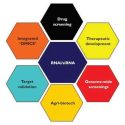
RNA interference - A technology platform for target validation, drug discovery and therapeutic development By Dr Krishnarao Appasani In the post genomic era, elucidation of the physiological function of genes has become a major rate-limiting step in the quest to develop 'gene-based-drugs'. As we advance in the 'functional omics' arena… Read More
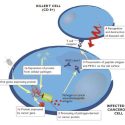
New developments in antigen-specific immunotherapies By Dr Jorg Schneider and Professor Andrew J. McMichael Novel therapeutic vaccines offer hope in the fight against chronic infectious disease and cancer. Vaccination has been used effectively for more than 200 years to protect individuals from a range of infectious diseases such as polio… Read More
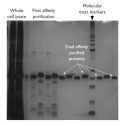
Functional proteomics in drug discovery By Dr Stefan W. Henning and Dr Leodevico L. Ilag The critical bottleneck of the drug discovery process is developing the right drug for the right target. Today proteins represent more than 90% of druggable targets and will most likely remain the single most important… Read More
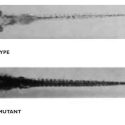
The role of ZEBRAFISH in drug discovery By Dr Paul Goldsmith and Roberto Solari The NIH has ranked the Zebrafish as the third most important experimental organism after man, the Sanger Centre is sequencing the genome and many medical researchers are shifting over to it. But will the zebrafish have… Read More
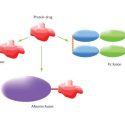
Second-Generation Protein Drugs By Dr Jeffrey C.Way The first biotech revolution was catalysed in the late 1970s with the development of recombinant DNA technology. This revolution generated numerous billion-dollar protein drugs such as erythropoietin and the interferons. Now that the patents on these drugs are expiring, will second generation proteins,… Read More
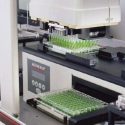
Secondary Screening Workstations - The emergence of compact turnkey solutions that work By Dr John Comley With the launch of new workstations focused on secondary screening applications not only are we witnessing the shrinkage of laboratory automation but we are seeing the emergence of true walk-away solutions, ie set up… Read More
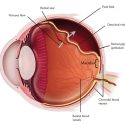
New Visions in Ophthalmic Drug Development By Dr Benjamin R. Yerxa, Dr Ward M. Peterson and Robin S.Whitsell Over the last 10 years we have seen the introduction of several new 'ophthalmology only' pharmaceutical products emerge such as Trusopt (dorzolamide, Merck) and Xalatan (latanoprost, Pharmacia). Innovative products such as these… Read More
Protein Arrays for Assessment of Target Selectivity By Professor Ian Humphery-Smith, Dr Erik Wischerhoff and Dr Ryuji Hashimoto Transforming knowledge of the human genome into a lead optimisation tool. Genomics activity has been criticised for having elucidated a plethora of potentially interesting drug targets, each awaiting further validation, but having… Read More
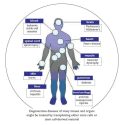
Share Share Tweet Email Stem Cell PHARMACEUTICS Stem Cell PHARMACEUTICS By Dr Gregory G. Lennon Recent research advances in the understanding of stem cell properties are inevitably leading to therapeutic strategies potentially applicable to many diseases. The pharmaceutical manipulation of multipotential cells such as stem cells is therefore now primed… Read More
Predictive chemoinformatics applications to the pharmaceutical industry By Dr Leslie J. Browne and Laurie L.Taylor While significant advances in chemoinformatics present tremendous opportunities to improve human health, the future of chemoinformatics in the pharmaceutical industry is not without significant challenges. Chemoinformatics is the result of collective advances in chemistry, biology,… Read More
Proteomatics - New information resources for proteomics By Dr David J Parry-Smith and Dr David S Bailey Proteomics is the science of understanding protein architectures at a supramolecular level, whereas the realm of understanding the organisation of biological information in its totality belongs to bioinformatics. Somewhat more prosaically, industrial bioinformatics… Read More
The emergence of pharmacogenomics within the pharmaceutical industry By Aidan Power, Suzin Webb, Dr Albert Seymour and Dr Patrice Milos The sequencing of the human genome represents one of the most significant scientific advances of the 20th century that will shape the foundation of medical research well into the 21st. Read More
The Once and Future Microarray Market By Dr Ken Rubenstein Although the future for micorarray technology looks bright, the DNA microarray consumer is faced with a number of important choices regarding sources and technologies. Developers, users, and afficionados of DNA microarray technology, who happened on July 25, 2002 to peruse… Read More
The importance of using human-based models in gene and drug discovery By Dr Michael G. Palfreyman, Dr Vinod Charles and Jeffrey Blander Completion of the human genome sequence has opened an unprecedented opportunity to discover the genetic contribution to many of the complex diseases that afflict humans and to use… Read More
Drug development for skin diseases based on functional genomics By Dr Jorn-Peter Halle With the high number of sufferers from skin disease around the world, it is astonishing that there are relatively few treatments available and that many of these only serve to relieve symptoms. Can drug development based on… Read More