Perspectives for ADMET Integration in the Discovery Process By Dr Constance Hofer ADMET (ADME/Tox), is a relatively new symbiotic acronym for the investigation of basic compound behaviour in terms of absorption, distribution, metabolism and excretion, combined with assessments of toxicity. The emergence of ADMET instead of ADME reflects the growing… Read More
21st Century Vaccines - A Development Renaissance By Dr Jeff Stoddard, Charles Drucker and Dr Nigel Brown Human beings have benefited from vaccines for more than two centuries. From eradicating some of the deadliest diseases to nearly eliminating a host of others, including polio, measles, mumps and tetanus - vaccines… Read More
William Downey and Dr Shauna Farr-Jones GPCRs are the most studied drug target class and have a proven record as valuable drug targets, with 40-50% of marketed drugs being modulators of GPCR function. Despite the intense effort focused on these targets by the pharmaceutical industry over many years, numerous challenges… Read More
How Non-invasive Visible Light Imaging Can Change Drug Discovery Dr Peter Lassota and Dr Anjani Shah In the past decade, non-invasive visible light imaging gained acceptance not only as a valuable research tool, but also as a means of evaluating new compounds for efficacy and pharmacodynamic properties in drug discovery. Read More
Monochromator vs Filter-based Plate Readers By Dr John Comley This article is based around feedback obtained in HTStec's recent Multi-Mode Microplate Reader Trends 2007 Report. It highlights findings on what influences reader choice, current use of different plate reader detection modalities, main target types/classes investigated using plate readers, sources of… Read More
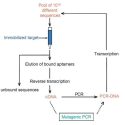
The Power of APTAMERS in the Drug Discovery Process Professor Michael Famulok Methods of combinatorial biochemistry allow the identification of nucleic acid sequences, or aptamers, which can bind their target molecules with high affinity and specificity and are able to efficiently inhibit their biological function. Macugen, the first aptamer-based drug… Read More
Reshaping the Landscape of Cancer Drug Discovery and Development By Dr Paolo Paoletti The landscape of cancer drug discovery and development is shifting, adjusting and reshaping itself in response to the huge rush of scientific knowledge which has come to the fore over the past few decades. In collaboration with… Read More
Automated Biobanking - The next big step for biorespositories By Dr John Comley As a significant proportion of the many newly established national, regional and disease-specific biobanks or biorespositories contemplate how they will enable enhanced sample integrity, tracking and audit trail, there has never been a more opportune time to… Read More
Personalised Medicine - Technological innovation and patient empowerment or exuberant hyperbole? By Adam W. Culbertson, Dr Stephen J. Valentine and Dr Stephen Naylor The current paradigm of modern healthcare focuses on patient symptoms, subsequent diagnosis and corresponding treatment of the specific disease(s). Escalating healthcare costs and a trial and error… Read More
Serial vs Direct Dilution - Time to apply new thinking to IC50 determination and dose-response analysis? By Dr John Comley The serial dilution method is standard practice in the preparation of doseresponse series for IC50 determination. However, it is well recognised that inadequacies in the liquid handling or mixing technique… Read More
Kinase Screening and Profiling Products - Spoilt for choice By Dr John Comley The end user is spoilt for choice with the range of alternative offerings, methodologies and approaches currently available for kinase screening and profiling. Whereas wider coverage of the kinome was the principal focus of kinase profiling a… Read More
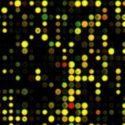
The Role of Microarray Technology in Pharmaceutical Development and Diagnostics By Richard Fisler The expectation that microarray technology will play a large role in shaping the future of pharmaceutical development and diagnostics has greatly increased due to new products and applications. Microarrays for gene expression have made a profound impact… Read More
Emerging concepts of G protein-coupled receptor (GPCR) function and drug discovery By Dr Richard M. Eglen, Dr Roger Bosse and Dr Graham S. Long G protein-coupled cell surface receptors (GPCRs) have served a fundamental role in modern pharmacology, due to their central importance in cell communication, and have been the… Read More
Nanotechnology in High Throughput Screening By Dr Bobak Azamian and Flora Tang Nanotechnology has touched many scientific disciplines, from its roots in chemistry and physics to applications in biology and engineering (1). A nanotechnology industry has developed, offering at present a new iteration of established technologies such as composite materials… Read More
The Genome as a Tool for Drug Discovery and Development the Case for Embracing Complexity By Dr Kenneth C. Carter Conventional drug discovery and development is centred on a paradigm in which 'validated' targets are subjected to in vitro screens for the identification of new drug candidates. Molecular profiling using… Read More
Monoclonals - The billion dollar molecules of the future By Dr Martin Wiles and Patrik Andreassen In 1975, two British scientists thought of creating a mouse antibody that could be replicated or 'cloned' to produce identical copies. Identical copies with identical modes of action had the potential to be a… Read More