Early Validation: The difference between success and failure? By Mike Benevento and Victor Bornsztejn Validation is typically associated with drug production and manufacturing, and often considered not to impact drug discovery and development. In fact, this assumption is not true and despite the fact that early-stage research may not require… Read More
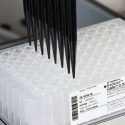
The Microplate Market Past, Present and Future By Dr Peter Banks Microplates and the peripheral markets of liquid handling and detection technologies exist within almost all laboratories performing assays. This article discusses what, if any, are their growth expectations and whether there are new technologies on the horizon that could… Read More
Predicting Transporter-mediated Drug-drug Interactions Based on in Vitro Cell Permeability Assays By Dr Chris Bode Drugs may fail in clinical development or post-marketing for a variety of reasons: they may simply not be as effective as anticipated; poor pharmacokinetic properties may prevent them from reaching their intended target in therapeutic… Read More
Natural Product Pharmaceuticals - The third generation By Dr Melanie McCullagh Compounds derived from natural products have made a big impact on the pharmaceutical industry. Of the 1,010 NCEs approved between January 1981 and June 2006, 43 were unaltered natural products (NPs) and a further 232 (23%) were second generation… Read More
Biomarker Signal Definition By Dr Gordon F. Kapke and Dr Nigel Brown Due to the numerous challenges in the industry, pharmaceutical companies are examining all aspects of the drug development process and rebuilding their associated business models as necessary. Companies need to improve success in late stage development, but what… Read More
The Potential of High-resolution Human Immune Cell Assays to Aid the Pre-clinical to Clinical Transition of Drug Development Projects By Dr Catherine A. Brady The effort to develop drugs that interact with the human immune system (whether by accident or design) has been dogged by a mismatch between the data… Read More
Outsourcing for Innovation Takes on New Meaning By Richard Boehner Large pharmaceutical companies are moving quickly to outsource their drug discovery operations, predominantly to lower costs. This article argues that if outsourcing is done to capture value, ie developing and preserving intellectual property as a key competitive differentiation as well… Read More
Treating Rheumatoid Arthritis with Disease-Modifying Antirheumatic Drugs (DMARDs) and Biologics By Dr William E. Fogler Successful treatment paradigms for newly diagnosed rheumatoid arthritis (RA) now rely on aggressive pharmacotherapy approaches with disease-modifying antirheumatic drugs (DMARDs). Despite risks of toxicity and adverse effects, combination strategies with DMARDs are finding greater clinical… Read More
High Throughput Screening in Academia - Drug discovery initiatives at the University of Kansas By Dr P McDonald, Dr Roy, Byron Taylor, Ashleigh Price, Dr Sittampalam, Dr Scott Weir, Dr Chaguturu Academia has historically been involved in exploring the fundamental aspects of the disease targets and in developing tool molecules… Read More
Next Generation Immunoassay Systems and the Revival of Protein Biomarkers By Dr John Todd and Dr Sara J. Agee Proteins are the machinery that drive most biological processes; however, measuring their concentrations at low levels has been historically impeded by a lack of appropriately sensitive technology. Advances in immunoassay technology,… Read More
Prediction versus Attrition in Drug Discovery & Development By Professor Malcolm Young The research-intensive part of the pharmaceutical industry is facing unusual commercial difficulties, whose elements are now well-known. A substantial number of very valuable drugs have gone, or are about to go, off patent; too few good new premium… Read More
Challenges in Transferring Bioanalytical Methods By Dr Chris Beaver Drug development is arduous and expensive with any delay to market resulting in significant financial impact. Delays at any stage of the process cause challenges to programmes, however, some are easier to predict and plan for than others. Development of bioanalytical… Read More
Growing Interest in Outsourcing Ion Channel Services By Dr John Comley Summer 2008 Significant demand now exists in Pharma and Biotech to access ion channel testing services and this is reflected by the number and the variety of service offerings. In the highly competitive area of cardiac safety hERG testing… Read More
Progress in the Implementation of Label-Free Detection - Cell-based assays By Dr John Comley Progress made in the use of impedance and optical grating technologies for label-free detection of cell-based assays where examined in HTStec's recent Cell-Based Label-Free Detection Trends report. Uniquely all of these label-free offerings are plate-based and… Read More
Transcending Proteasome Inhibition for the Treatment of Cancer By Dr Mark Rolfe Healthy cellular function requires a carefully controlled balance between protein synthesis and protein degradation, a process known as protein homeostasis. The major intracellular pathway for controlling protein degradation is the ubiquitin proteasome system (UPS). Specific pharmacological inhibition of… Read More
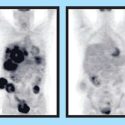
The Potential of Molecular Imaging for Drug Discovery & Development By Dr Ken Rubenstein By combining cutting-edge biomedical research with the time-proven ability to visualise the unseen, the rapidly emerging field of molecular imaging promises to open new vistas for a wide range of individuals, from basic researchers to scientists… Read More