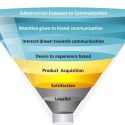
Simultaneous Visualisation of Attrition and Timelines: Funnel Diagrams. By Dr Linda Hirons, Dr Craig Johnstone and Colin Sambrook-Smith In drug discovery both attrition and timelines are important factors to consider when applying process improvement to lead optimisation. In our attempts to improve the visualisation of both of these factors simultaneously,… Read More
The Apocalyptic Horsemen of Drug Discovery and Development By Dr Gary J. Keil The pharmaceutical industry should consider an evolutionary disease management approach based on homeostasis, irreversibility, biological alinearity, pseudo-N-of-1 health and disease states and narrative medicine best practices in order to help secure a successful drug development future. The… Read More
A roadmap for achieving self-sustainability of academic high throughput screening core facilities By Dr Peter R. McDonald, Dr Anuradha Roy and Dr Rathnam Chaguturu Many academic HTS centres, faced with the high costs of drug discovery and decreasing federal funding, are struggling to survive. Just as with any small business,… Read More
SMAC Mimetics: a new class of targeted agents that activate apoptotic cell death and block pro-survival signalling in cancer cells By Dr Mark A. McKinlay SMAC mimetics are a new class of targeted drugs being developed for the treatment of solid tumours and hematologic cancers. SMAC mimetics specifically induce apoptotic… Read More
Utilising Biomarkers to Eliminate Drug Candidates with Cardiotoxicity in Preclinical Development By Dr Federica Crivellente The rapidly escalating costs of drug development is causing the biopharmaceutical industry to focus its R&D efforts on identifying new technologies and methods that can predict the safety and efficacy of new compounds as early… Read More
Early Patient Stratification is Critical to Enable Effective and Personalised Drug Discovery and Development By Dr David A Fryburg, Dr Diane H Song and Dr David de Graaf With the current chances of an efficacious outcome in Phase II for novel mechanisms being in the region of 1 in 5,… Read More
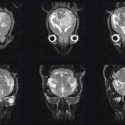
In Vivo Preclinical Imaging - An Essential Tool in Translational Research By Dr John Comley In vivo imaging of small animals (mainly mice) is increasingly being deployed across the drug development process, particularly in the oncology/cancer therapeutic area. One of the main applications is monitoring the treatment response for early… Read More
Share Share Tweet Email What Are The Obstacles to Innovation in the Pharmaceutical Industry? What Are The Obstacles to Innovation in the Pharmaceutical Industry? The Pistoia Alliance Innovation is a key word throughout the pharmaceutical industry and the healthcare community and its pursuit is a business imperative for Pharma. Pharma… Read More
Enabling the Promise of Stem Cells By Robert Shaw and Dr Jeff Till The remarkable potential of stem cells to generate several hundred differentiated cell types is driving their use for regenerative medicine and for supporting the traditional drug discovery and development process (Figure 1). However, sustained progress in these… Read More
Epigenetics: An Emerging Target Class for Drug Screening By Dr John Comley Heightened awareness of the potential importance of epigenetic targets in many disease areas, and growing vendor interest in developing new assays to screen DNA methylation and histone modifications encouraged HTStec to undertake market research in this area in… Read More
The Benefits Of Drug Repositioning By Dr Aris Persidis Drugs in development, on the market, or those that are shelved because of lack of efficacy, are excellent starting points for further development. Finding new indications for such drugs will benefit patients who will see a potential new therapy sooner, will… Read More
Protein Biomarker Immunoassays: Opportunities and Challenges By Dr M. Walid Qoronfleh and Dr Klaus Lindpaintner With the biopharma industry under heavy pressure, transforming the scientific interchange between the laboratory and the clinic is exceedingly critical. Realising the costly toll of drug attrition in late-stage development, many companies are turning to… Read More
Induced Pluripotent Stem Cells: A model for transforming drug discovery By Dr Dwight Morrow and Dr Julie Holder Induced pluripotent stem (iPS) cells have the potential to transform drug discovery by providing physiologically relevant cells for toxic compound identification, target validation, compound screening, and tool discovery. The technology for generating… Read More
R&D Open Verdict? By Dr Kay Wardle As pharmaceutical companies begin to shift from in-house R&D to external partnerships and 'open innovation', the traditional drug discovery model may soon be a thing of the past. In this article we explain what is driving these changes and what the implications are… Read More
New Ways to Optimise Therapeutic and Diagnostic Antibodies By Dr Markus Enzelberger Monoclonal antibodies are the fastest-growing category of research within the biotech and pharmaceutical industries. Several monoclonal antibodies are listed in the top 10 selling blockbusters, and the market forecast predicts that the number of monoclonal antibodies within the… Read More
Mass Spectrometry is a mature technology predicated on a premise demonstrated almost a century ago. It is widely used in most scientific disciplines involving basic research or industrial endeavours, that require accurate and precise measurement of elemental and molecular components. More recently it has become one of the foundation technologies… Read More