By Dr Steven Bodovitz and Dr Scott D. Patterson The potential for parallel protein-based analyses to define a new era in diagnostics and drug development is generating considerable excitement in the field of proteomics. However, the discovery of differentially expressed proteins that correlate with a disease state or a drug… Read More
A business model for sustainable, strategic relationships By Dr Douglas J. Squires and Dr James E. McClurg Historically relationships between CROs and pharmaceutical and biotech companies, and the results of these relationships, have not met shared expectations for strategic value exchange. This article presents a business model for achieving a… Read More
Balancing Quantity and Quality in Drug Discovery By Eva-Lotta Allan There is a need to innovate in order to stay ahead, a need to maximise the value of the R&D engine by increasing the flow of novel drug candidates and yet, reduce the time to market. Does access to more… Read More
Second-Generation Protein Drugs By Dr Jeffrey C.Way The first biotech revolution was catalysed in the late 1970s with the development of recombinant DNA technology. This revolution generated numerous billion-dollar protein drugs such as erythropoietin and the interferons. Now that the patents on these drugs are expiring, will second generation proteins,… Read More
New Visions in Ophthalmic Drug Development By Dr Benjamin R. Yerxa, Dr Ward M. Peterson and Robin S.Whitsell Over the last 10 years we have seen the introduction of several new 'ophthalmology only' pharmaceutical products emerge such as Trusopt (dorzolamide, Merck) and Xalatan (latanoprost, Pharmacia). Innovative products such as these… Read More
The New Blockbuster Drugs - Healthcare packages for particular disease pathologies By Dr Nick Davies and Dr Steve Arlington With the cost of bringing a new drug to market now exceeding $800 million there is no doubt that the pharmaceutical industry has to fundamentally address the way in which it… Read More
CNS Drug Discovery - Realising the dream By Dr Julie C. Barnes and Dr Ann G. Hayes Over the years, the discovery of drugs for treating neurological and psychiatric diseases has proven to be one of the highest risk areas in the pharmaceutical industry. Despite the huge resources that have… Read More
By Dr Roger A. Edwards, Dr Kai Zhang and Louise Firth Different companies have employed various techniques and strategies for addressing productivity issues in the chemistry functions within pharmaceutical discovery and preclinical development. We benchmarked lead optimisation, clinical candidate selection, and chemistry support for preclinical development before IND filing in… Read More
Obesity - The 21st century disease By Diane L. McBay and Dr Colin T. Dourish Obesity will be the leading cause of death and disability in the 21st century. This epidemic is largely attributable to increasingly sedentary lifestyles and the abundance of tasty, high-fat foods. Obesity increases the risk of… Read More
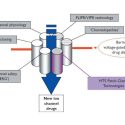
Channelling Drug Discovery - Current trends in ion channel drug discovery research By Dr David Owen and Andrew Silverthorne Ion channels are proteins that span cell membranes thus forming conduits or 'channels' through which charged ions such as sodium and potassium can pass across a normally impermeant barrier such as… Read More
Business strategy for implementation of biomarkers in drug development By Miles Flamenbaum With pharmacoproteomic biomarkers being the subject of focus among regulatory agencies as well as research institutions, many pharmaceutical companies are increasing their interest and investment in biomarker strategies. This article discusses the potential for new efficiencies and cost… Read More
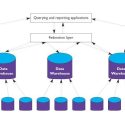
From raw data in the laboratory to information availability in the enterprise By Dieter Kreusel If pharmaceutical or biotechnology companies could measure their success merely on the volume of raw data accumulated from screening assays and pre-clinical testing, they would be basking in the glow of unprecedented success. Companies are… Read More
By Dr Patrick J. Vojta, Vincent P. Kazmer and Dr Larry D. Kier Adverse drug responses are an important post-marketing public health issue, occurring many times in subsets of treatment populations. Promising new approaches to predicting physiological responses to drugs are focused on genomic responses or toxicogenomics (1). This article… Read More
The genomics revolution is poised to sweep aside the old economics of pharmaceutical R&D. The biotechnology and pharmaceutical industries; and perhaps healthcare delivery in general; are on the brink of transformation, and companies that embrace the revolution in the right way stand to reap enormous benefits. Developing a new drug… Read More
New Developments in Analgesia By Dr Susan Boyce, Dr Zahid Ali and Dr Raymond G. Hill Novel therapies for pain and headache are major medical needs and constitute a continued opportunity. Novel treatments are likely to arise from a better understanding of both the pathophysiology of clinical pain conditions and… Read More
By Professor Klaus Lindpaintner Pharmacogenetics represents a logical and consequent step in the history of medicine, but what are the immediate benefits and where do the hurdles lie in its implementation? It is common knowledge that today’s pharmacopea – in as much as it represents enormous progress if compared with… Read More