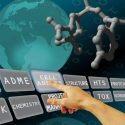
With Synthetic Biology, Drug Discovery Is Going Virtual by Christopher Voigt Christopher Voigt is a professor of biological engineering at the Massachusetts Institute of Technology, where his lab focuses on synthetic biology. Two major areas of interest for him are developing a genetic programming language for cells and applying synthetic… Read More
Microtissues For In Vitro Toxicity Assessment: Cost effective and in vivo relevant toxicology tools By Dr Stephanie Ravenscroft, Dr Caroline Bauch, Dr Laura Hinton and Dr Paul Walker Conventional two-dimensional (2D) cell models (adherent cells grown on cell culture plates or cells in suspension) are limited in their abilities to… Read More
BioPharma and CROs Collaborating In Early Drug Discovery By Dr John Montana and Cornelis E.C.A. Hop BioPharma and CROs are riding the latest wave - discovery research - together with a vigour and gusto that might have seemed implausible five years ago. How these collaborations are structured, and how well… Read More
Misconduct in the biomedical sciences part 2: detection and prevention By Dr Gerald H. Lushington and Rathnam Chaguturu Discovering safe and effective medicines, one of the greatest gifts to humanity, relies intensely upon the availability of detailed, unassailably accurate biomedical scientific knowledge. The key distinction that separates science from other… Read More
Library Logistics: Managing Comprehensive Compound Collections By Dr Jorg Kroll and David Booth Compound management may seem straightforward but in reality, as the number of new compounds increases dramatically year-on-year, the management of large collections has become increasingly challenging. As highthroughput technologies have become the norm, Bayer HealthCare, a global… Read More
Multi-Parameter Flow Cytometry Technology Advances for Rare Cell Analysis and Sorting By David Gebhard and Dr Diether Recktenwald The study of rare cell populations is important to advance medical diagnostics and therapeutics. For many clinical studies, rare cell counts promise to provide valuable alternate end points; examples are circulating tumour… Read More
Chemical Space, High Throughput Screening and The World Of Blockbuster Drugs By Dr Hakim Djaballah We are constantly told that if a high throughput screen does not identify hit(s) then blame it on the compounds in your library. The community has accepted this notion and unleashed a chemical space exploration… Read More
Carbon-14 Labelled API Manufacturing By Dr Sean L. Kitson and Dr David Speed Carbon-14 labelled API and IMP requirements for Phase 0/I to Phase III mass balance and micro-dosing clinical trials can be met by contract manufacturing in compliance with MHRA and FDA Phase I cGMP guidelines. The short supply… Read More
Metabolomics: Analytic Methods Driving Exponential Understanding By Dr Ian D. Jardine Metabolomics is distinct from genomics and proteomics in several significant respects. Where genes and proteins are unique to specific organisms, metabolites are ubiquitous throughout the plant and animal kingdoms. Compared with proteomics and genomics, which quantify the building blocks… Read More
Pharmaceutical & biomedical research likely to use $1 billion worth of microfluidics devices by 2016 By Frédéric Breussin The proliferation of lower cost genomics tools, and the maturing of microfluidics lab equipment into more robust tools that better interface with established research flows, could drive microfluidics devices for pharmaceutical and… Read More
Next Generation Flow Chemistry and Biology Platforms: The Impact on Small Molecule Drug Discovery By Dr J Mark Treherne, Dr David M Parry and Christopher N Selway Can the next generation of flow chemistry and biology platforms be fully integrated to transform the efficiency of small-molecule drug discovery for pharmaceutical… Read More
Neutron Scattering Provides Unique Insights for Drug R&D By Dr Martyn Bull Drug discovery and development is a long and expensive process. Techniques, such as computer modelling, that make the search for promising candidates easier are usually taken up enthusiastically. Neutron scattering, an emerging technique in this field, can provide… Read More
Free Online Resources Enabling Crowd-Sourced Drug Discovery By Dr Antony J. Williams, Valery Tkachenko, Dr Chris Lipinski, Professor Alexander Tropsha and Dr Sean Ekins The availability of freely accessible online resources to enable and support drug discovery has blossomed in recent years. The PubChem platform is now accompanied by a… Read More
Share Share Tweet Email A perspective on scientific innovation in the pharmaceutical industry A perspective on scientific innovation in the pharmaceutical industry By Dr Joseph B. Bolen With a tarnished reputation and a lack of sustainable innovation this article argues that, maybe, it is time for the pharmaceutical industry to… Read More
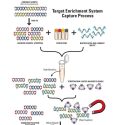
Bringing Cost and Process Efficiency to Next Generation Sequencing By Dr Fred P. Ernani, and Dr Emily M. LeProust While next-generation sequencing has revolutionised the way genomes are sequenced, this technology possesses a fundamental weakness - the inability to easily target specific regions of a genome. To address this, a… Read More
Automation Of Solid/Powder Dispensing: Much needed, but cautiously used! By Dr John Comley This article investigates solid/powder dispensing in pharma and biotech, examines where it is most used, whether there exists a need to apply automation and what is motivating its wider use today. It reveals how concerns over problematic… Read More