The Role of the Medicinal Chemist in the Drug Discovery Process: current status and future prospects By Dr Stevan W Djuric The need for the pharmaceutical industry to produce a constant stream of new NCEs has never been more paramount but with constantly changing R&D paradigms what is the role… Read More
Cryo Electron Microscopy and Electron Tomography By Dr Jack Elands and Dr Ulf Skoglund Cryo electron microscopy and electron tomography will play a crucial role in the future of drug development. The completion of the human genome project has focused tremendous interest in determining the structure and function of the… Read More
COX-2 Inhibitor Toxicity - Warning shot over pharma's bow By Dr Mark Schena and Dr William Greene Human beings are complex gene machines that rely on the intricate interplay of ~25,000 genes to impart biological function. Genomic function is affected by genetic variability and environmental factors, giving rise to considerable… Read More
Label-Free Detection - New biosensors facilitate broader range of drug discovery applications By Dr John Comley This article highlights some of the findings of a recent market report on labelfree detection trends. In particular, it looks at the current perception, main use and biggest benefit of label-free detection today. It… Read More
The impact of early ADME profiling on drug discovery and development strategy By Dr Jianling Wang and Dr Laszlo Urban The increased costs in the discovery and development of new drugs, due in part to the high attrition rate of drug candidates in development, has led to a new strategy… Read More
Radiosynthesis - A vital role supporting drug development? By Dave Roberts and Professor Bill Lockley The key in vivo drug metabolism and pharmacokinetic studies continue to be undertaken using radiolabelled versions of drug molecules. Traditionally, the preparation of these isotopically labelled compounds was largely the domain of specialist internal radiochemistry… Read More
Opportunities for the pharmaceutical industry: key biotransformation technologies of the future By Praveen Kaul, Anirban Banerjee and Professor UC Banerjee Biotransformation is a broad and growing field of biotechnology and encompasses both enzymatic and microbial biocatalysis. Progress has been made in research on the key drivers of biotransformations, including the… Read More
SCAVENGER strategies in organic synthesis - Part Two By Professor Peter Wipf and Dr Claire M. Coleman Part 1 of this article discussed the fundamental principles of the use of scavenging techniques in combinatorial and organic synthesis. Part one of scavenger strategies is linked here. In this article, more recent… Read More
Functional cell-based high throughput drug screening By Professor Daniel T. Chiu and Professor Owe Orwar Cell-based assays are poised to assume an increasingly important role in drug screening and discovery. It is becoming apparent that simple binding assays and in vitro experiments are grossly insufficient for extrapolating the efficacy and… Read More
SCAVENGER strategies in organic synthesis - Part One By Professor Peter Wipf and Dr Claire M. Coleman Over the past 20 years combinatorial chemistry has proved to be an important tool for the generation of large numbers of compounds required for drug discovery programmes. This two-part article covers the history… Read More
Recent advances in mass spectrometry for drug discovery and development By Dr Nelson Cooke Of the numerous types of analytical techniques used in drug discovery and development, mass spectrometry (MS) has become one of the most powerful tools for the analyses of a wide range of chemical and biological entities. Read More
Synthetic approaches to rational drug design - A changing landscape By Dr Shubh Sharma and Dr Carl Spana It is becoming clearer that newer synthetic approaches for rational drug design may hold the promise of taking us closer to industrialising drug discovery while, at the same time, overcoming the bottleneck… Read More
High Throughput Screening using G-protein coupled receptors as the target plate-based and biochromatographic technologies By Professor Irving W.Wainer, Dr Farideh Beigi and Dr Ruin Moaddel The G-protein coupled receptor (GPCR) family constitutes the largest class of cell surface receptors and GPCRs are the targets for more than 50% of the… Read More
Functional proteomics in drug discovery By Dr Stefan W. Henning and Dr Leodevico L. Ilag The critical bottleneck of the drug discovery process is developing the right drug for the right target. Today proteins represent more than 90% of druggable targets and will most likely remain the single most important… Read More
Compound Management comes of age By Ian Yates The changing role of compound management in recent years has seen an often under-valued and under-resourced function being recognised as a key part of the drug discovery process. This article examines the challenges faced by compound management teams and, at a high… Read More
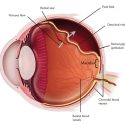
New Visions in Ophthalmic Drug Development By Dr Benjamin R. Yerxa, Dr Ward M. Peterson and Robin S.Whitsell Over the last 10 years we have seen the introduction of several new 'ophthalmology only' pharmaceutical products emerge such as Trusopt (dorzolamide, Merck) and Xalatan (latanoprost, Pharmacia). Innovative products such as these… Read More