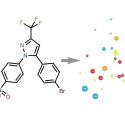
Overcoming the Limitations of Chemical Structure By Dr Andy Vinter, Dr Steve Gardner and Dr Sally Rose The pharmaceutical business has been profoundly hampered by a ubiquitous and unexpected obstacles; the way it draws its chemical compounds. Scientists, patent agents and business decision makers from R&D, safety, and in-licensing are… Read More
Letting the Target Determine your Compound Acquisition Strategy By Dr John Harris With compound libraries likely to remain the cornerstone of hit and lead discovery for the foreseeable future, this paper seeks to summarise current and future approaches to optimal library design and compound acquisition, using examples and experimental evidence… Read More
Natural Product Pharmaceuticals - The third generation By Dr Melanie McCullagh Compounds derived from natural products have made a big impact on the pharmaceutical industry. Of the 1,010 NCEs approved between January 1981 and June 2006, 43 were unaltered natural products (NPs) and a further 232 (23%) were second generation… Read More
By Dr Anil Vasudevan Since the original publications on the benefits of conducting organic reactions in a microwave by Gedye (1) and Majetich (2) in the mid-80s, the uptake of this technique was sluggish at best for the next 12-14 years. However, the past few years have witnessed an explosion… Read More
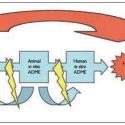
Perspectives for ADMET Integration in the Discovery Process By Dr Constance Hofer ADMET (ADME/Tox), is a relatively new symbiotic acronym for the investigation of basic compound behaviour in terms of absorption, distribution, metabolism and excretion, combined with assessments of toxicity. The emergence of ADMET instead of ADME reflects the growing… Read More
Challenges and opportunities for the greening of separation science in the pharmaceutical industry Dr Christopher J. Welch Opportunities for reducing solvent consumption and waste generation in separation sciences used to support industrial pharmaceutical discovery and development are presented and discussed in this article. Several approaches are considered for ‘greening’ analytical… Read More
Establishment of an open access compound management facility By David Camp This article covers the establishment of an open access compound management facility in Australia to stimulate applied, basic and translational biomedical research. The paradigm for probing biological processes and drug discovery via small molecules has changed significantly over the… Read More
Kinase Screening and Profiling Products - Spoilt for choice By Dr John Comley The end user is spoilt for choice with the range of alternative offerings, methodologies and approaches currently available for kinase screening and profiling. Whereas wider coverage of the kinome was the principal focus of kinase profiling a… Read More
Genetics & Personalised Medicine - Whole genome association and genetic linkage studies By Dr John W. Hooper Genetic linkage studies have long been the standard for researching the genetics associated with heritable diseases. Recently, however, scientists have begun to realise the benefits of whole genome association studies, which enable them… Read More
Nanotechnology in High Throughput Screening By Dr Bobak Azamian and Flora Tang Nanotechnology has touched many scientific disciplines, from its roots in chemistry and physics to applications in biology and engineering (1). A nanotechnology industry has developed, offering at present a new iteration of established technologies such as composite materials… Read More
Medicinal Chemistry: Progress through innovation By Dr Terry Hart Medicinal chemistry is a specialised science that has evolved to encompass a broad range of disciplines concerned with the identification, synthesis and development of drug-like compounds for therapeutic use. It needs a wide range of expertise, developed through years of training,… Read More
Current Biosensor Technologies in Drug Discovery By Dr Matthew A. Cooper Over the past two decades the benefits of biosensor analysis have begun to make an impact in the market, and systems are beginning to be used as mainstream research tools in many laboratories. Biosensors are devices that use biological… Read More
By Dr Alpheus Bingham It has been suggested that the blockbuster business model, which has been the key to big pharma success, is now broken and completely beyond repair. In a truly global and fast changing business world, is it time to examine alternatives to the classic monolithic risk structure… Read More
Microwave-assisted synthesis in the pharmaceutical industry a current perspective and future prospects By Dr Richard Wagner In the past five years there has been a dramatic upsurge in the use of microwave heating within the pharmaceutical industry to facilitate the chemical synthesis of new chemical entities. The increased uptake of… Read More
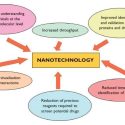
By Dr Amarpreet S Dhiman In terms of drug discovery and development, the role of nanotechnology currently lies in improving diagnostic methods, developing improved drug formulations and drug delivery systems for disease therapy. The breakthrough format of nanotechnology offers innovative solutions, giving researchers greater analytical capacity, improved data quality and… Read More
TR-FRET Based Assays - Getting better with age By Dr John Comley Despite having been available for nearly 15 years, TR-FRET based assays are still the preferred fluorescent assay format for many screeners. A recent survey ranked Cisbio’s TR-FRET product (HTRF) as the most frequently used generic assay technology. GPCR… Read More