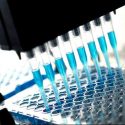
ASSAY INTERFERENCE - A limiting factor in HTS? By Dr John Comley With current HTS focused on better quality hits, the necessity to differentiate between true and false results puts increasing emphasis on the robustness of the assay technology. This article explores the common causes of assay interference, the effect… Read More
The cost and value of three-dimensional protein structure By Professor Raymond C. Stevens During the past few years we have seen the cost of protein three-dimensional structure determination begin to converge by protein family type, there has been a commoditisation of high-throughput structure based drug discovery technology components, and the… Read More
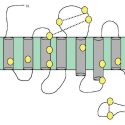
High Throughput Screening using G-protein coupled receptors as the target plate-based and biochromatographic technologies By Professor Irving W.Wainer, Dr Farideh Beigi and Dr Ruin Moaddel The G-protein coupled receptor (GPCR) family constitutes the largest class of cell surface receptors and GPCRs are the targets for more than 50% of the… Read More
Molecular pathology and the art of drug design By Dr Keith McCullagh The current explosion of interest in sophisticated genomic technologies, computerised robotics and high throughput screening of diverse molecular libraries appears to have been associated with a reduction in research productivity in recent years, as judged by the rate… Read More
The Protein Biochip Content Problem By Dr Steven Bodovitz The protein biochip industry has a content problem that is not only slowing its development as a whole but possibly the development of the entire proteomics industry. In science, for a problem to have its own name, it needs to be… Read More
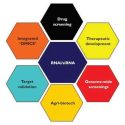
RNA interference - A technology platform for target validation, drug discovery and therapeutic development By Dr Krishnarao Appasani In the post genomic era, elucidation of the physiological function of genes has become a major rate-limiting step in the quest to develop 'gene-based-drugs'. As we advance in the 'functional omics' arena… Read More
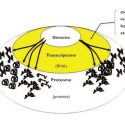
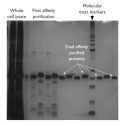
Functional proteomics in drug discovery By Dr Stefan W. Henning and Dr Leodevico L. Ilag The critical bottleneck of the drug discovery process is developing the right drug for the right target. Today proteins represent more than 90% of druggable targets and will most likely remain the single most important… Read More
In Silico Structure-based Drug Design - Shifting the bottleneck? By Dr Jonathan Heal Drug Discovery The use of in silico methods in drug design has grown significantly in popularity over the past couple of years. Indeed many pharma companies have already adopted some type of virtual screening capability to complement… Read More
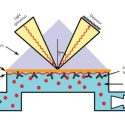
Surface Plasmon Resonance's impact on drug discovery - resolution, throughput and versatility By Dr David G. Myszka and Dr Rebecca L. Rich Surface plasmon resonance (SPR) biosensors have rapidly become a standard tool within the pharmaceutical and biotechnology industries. Label-free, real-time measurements are the calling card for this technology, which… Read More
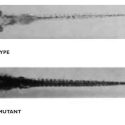
The role of ZEBRAFISH in drug discovery By Dr Paul Goldsmith and Roberto Solari The NIH has ranked the Zebrafish as the third most important experimental organism after man, the Sanger Centre is sequencing the genome and many medical researchers are shifting over to it. But will the zebrafish have… Read More
TRANSCRIPTOMICS - Realising the promise with a new era of drug discovery and diagnostics By Dr Bruce Seligmann The advent of modern genomics has provided new ways to link targets to diseases and validate these targets. The result is the potential for a new era of drug discovery transcriptomics or… Read More
Compound Management comes of age By Ian Yates The changing role of compound management in recent years has seen an often under-valued and under-resourced function being recognised as a key part of the drug discovery process. This article examines the challenges faced by compound management teams and, at a high… Read More
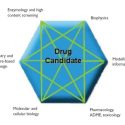
Balancing Quantity and Quality in Drug Discovery By Eva-Lotta Allan There is a need to innovate in order to stay ahead, a need to maximise the value of the R&D engine by increasing the flow of novel drug candidates and yet, reduce the time to market. Does access to more… Read More
Secondary Screening Workstations - The emergence of compact turnkey solutions that work By Dr John Comley With the launch of new workstations focused on secondary screening applications not only are we witnessing the shrinkage of laboratory automation but we are seeing the emergence of true walk-away solutions, ie set up… Read More
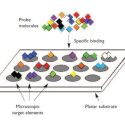
Protein Arrays for Assessment of Target Selectivity By Professor Ian Humphery-Smith, Dr Erik Wischerhoff and Dr Ryuji Hashimoto Transforming knowledge of the human genome into a lead optimisation tool. Genomics activity has been criticised for having elucidated a plethora of potentially interesting drug targets, each awaiting further validation, but having… Read More
Better drugs by MICROARRAY By Dr Mark Schena Microarray analysis allows the elucidation of biological processes and pathways on a genomic scale. This revolutionary technology promises an unprecedented view of drug action and side reaction, the ability to identify drug targets and optimise lead compounds, the capacity to predict patient… Read More