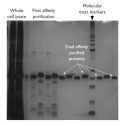
Protein Arrays for Assessment of Target Selectivity By Professor Ian Humphery-Smith, Dr Erik Wischerhoff and Dr Ryuji Hashimoto Transforming knowledge of the human genome into a lead optimisation tool. Genomics activity has been criticised for having elucidated a plethora of potentially interesting drug targets, each awaiting further validation, but having… Read More
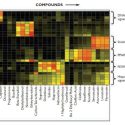
Better drugs by MICROARRAY By Dr Mark Schena Microarray analysis allows the elucidation of biological processes and pathways on a genomic scale. This revolutionary technology promises an unprecedented view of drug action and side reaction, the ability to identify drug targets and optimise lead compounds, the capacity to predict patient… Read More
Share Share Tweet Email Stem Cell PHARMACEUTICS Stem Cell PHARMACEUTICS By Dr Gregory G. Lennon Recent research advances in the understanding of stem cell properties are inevitably leading to therapeutic strategies potentially applicable to many diseases. The pharmaceutical manipulation of multipotential cells such as stem cells is therefore now primed… Read More
Predictive chemoinformatics applications to the pharmaceutical industry By Dr Leslie J. Browne and Laurie L.Taylor While significant advances in chemoinformatics present tremendous opportunities to improve human health, the future of chemoinformatics in the pharmaceutical industry is not without significant challenges. Chemoinformatics is the result of collective advances in chemistry, biology,… Read More
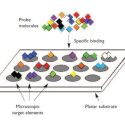
Protein Biochips - On the threshold of success By Dr Steven Bodovitz and Felicia Gentile With sales of protein biochips set to top $700 million in 2006, we present a current overview of this fast moving technology and the applications for the pharmaceutical industry as a whole. On the surface… Read More
By Dr Ian Gilham The increasing cost of healthcare along with new opportunities for improved treatments puts ever increasing pressures on healthcare budgets. In recent years the diagnostic industry in particular has been the target of a number of cost-cutting exercises by governments and payers aimed at restricting the utilisation… Read More
Proteomatics - New information resources for proteomics By Dr David J Parry-Smith and Dr David S Bailey Proteomics is the science of understanding protein architectures at a supramolecular level, whereas the realm of understanding the organisation of biological information in its totality belongs to bioinformatics. Somewhat more prosaically, industrial bioinformatics… Read More
The emergence of pharmacogenomics within the pharmaceutical industry By Aidan Power, Suzin Webb, Dr Albert Seymour and Dr Patrice Milos The sequencing of the human genome represents one of the most significant scientific advances of the 20th century that will shape the foundation of medical research well into the 21st. Read More
The Once and Future Microarray Market By Dr Ken Rubenstein Although the future for micorarray technology looks bright, the DNA microarray consumer is faced with a number of important choices regarding sources and technologies. Developers, users, and afficionados of DNA microarray technology, who happened on July 25, 2002 to peruse… Read More
The importance of using human-based models in gene and drug discovery By Dr Michael G. Palfreyman, Dr Vinod Charles and Jeffrey Blander Completion of the human genome sequence has opened an unprecedented opportunity to discover the genetic contribution to many of the complex diseases that afflict humans and to use… Read More
Drug development for skin diseases based on functional genomics By Dr Jorn-Peter Halle With the high number of sufferers from skin disease around the world, it is astonishing that there are relatively few treatments available and that many of these only serve to relieve symptoms. Can drug development based on… Read More
Fine-tuning the technology strategies for lead finding By Sandra Fox, Dr Shauna Farr-Jones, Dr Lynne Sopchak and Dr Helen Wang HTS has become the workhorse of pharmaceutical and biotechnology companies' drug discovery efforts, with expanding responsibilities and increasing pressures to screen more targets with better compound libraries to find high-quality… Read More
Monoclonal Antibodies - Magic bullets or a shot in the dark By Dr Fiona Adair It has been 16 years since the first monoclonal antibody was approved for therapy in acute transplant rejection. Now, with a further nine therapeutic monoclonal antibodies approved for use and some 16 in phase III… Read More
Lead Generation and Lead Optimisation: the value of linking HT co-structure analysis and HT chemistry By Dr David U Prichard The coupling of High Throughput co-structure analysis with focused library generation is not only proving a powerful general tool in lead optimisation but also increasing the probability of successful discovery… Read More
By Dr Mark L. Nelson Less than a hundred years ago, if you developed a microbial infection your immune system couldnt handle, you died. Then came the wonder drugs, antibiotics capable of fighting the infections for you. But times have changed. Now, because of antibiotics, their use and misuse, the… Read More
The Future of Cardiovascular Gene Therapy By Christopher J. Reinhard Advances in regenerative medicine go hand in hand with new perspectives and insights into potential treatments for heart disease. After a decade of pre-clinical and early Phase 1 and 2 clinical studies, gene therapy is now emerging as a genuine… Read More