Scientists in academic centres and companies around the world desperately search for novel therapeutics and vaccines to treat and prevent COVID-19. However, with lockdowns and limited access to laboratories, researchers are being forced to work from home, putting research continuity at risk. To help scientists continue their R&D,… Read More
Antibodies derived from llamas have been shown to neutralise the SARS-CoV-2 virus in lab tests, UK researchers have found. The team involves researchers from the Rosalind Franklin Institute, Oxford University, Diamond Light Source and Public Health England. They hope the antibodies – known as nanobodies due to their… Read More
13 July 2020 Image: National Cancer Institute Scientists have revealed details of the discovery of a new cancer drug that could be used to treat a range of cancer types, including some blood cancers and solid tumours. The drug, fadraciclib, was jointly discovered by scientists at The Institute… Read More
Researchers have developed a human cell ‘membrane on a chip’ that allows continuous monitoring of how drugs and infectious agents interact with our cells. It may soon be used to test potential drug candidates for COVID-19. The researchers, from the University of Cambridge, Cornell University and Stanford University,… Read More
2 July 2020 Image: Nino Liverani The US Food & Drug Administration (FDA) has approved a randomised, double-blind, placebo-controlled phase III clinical trial protocol to evaluate the safety and efficacy of intravenous siltuximab. It will also evaluate the standard of care in hospitalised patients with COVID-19 associated Acute… Read More
The CRISPR revolution arrives in immuno-oncology By Helen Stewart-Miller and Thomas Hope Volume 21 Issue 2 - Spring 2020 CRISPR-cas9 technology is having an exciting impact on drug discovery as a whole, but more specifically CRISPR presents enormous opportunities in targeted screening for immuno-oncology research. Clustered regularly-interspaced short palindromic repeats… Read More
ADCs and solid tumours - The payload revolution that drives therapeutic opportunities in unmet need By Dr Jenny Thirlway Volume 21 Issue 2 - Spring 2020 The fight against cancer is ongoing. Despite progress in many indications, mortality rates for some of the most difficult to treat solid tumour types… Read More
Target discovery and drug development what comes after CRISPR? By Benedict CS Cross Volume 21 Issue 2 - Spring 2020 For an area of research as important and impactful as drug discovery, it is surprising how often efforts in this field are directed by short-term trends. We have seen an… Read More
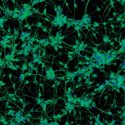
Reprogramming the stem cell for a new generation of cures By Dr Alex Davenport, Dr Tonya Frolov and Dr Mark Kotter Volume 21 Issue 2 - Spring 2020 The development of new and effective treatments with the potential to cure, or at the very least ease patient suffering, has been… Read More
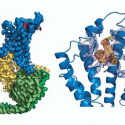
Cryo-EM accelerates drug discovery by delivering previously intractable structural insights By Hans Raaijmakers, et al. Cryo-electron microscopy (cryo-EM), a powerful biophysical technique that can analyse molecular assemblies, is changing the paradigm in structure-based drug design. As targets become more challenging, solving structures of drug target molecules or biologics becomes increasingly… Read More
Harnessing the modified proteome for increased diagnostic power By Dr David Bramwell, Dr Steven Laval and Dr Jane McLeod Relevant biomarkers are vitally important in personalised medicine, guiding patient matching to specific therapies for earlier, easier and more effective disease identification and treatment. Here we trace the expectations of ’omicsbased… Read More
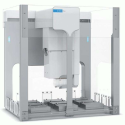
Getting a handle on liquids: automation solutions for drug discovery By Helen Stewart-Miller and Thomas Hope The accurate and precise measurement of liquids and the transport of exact volumes between vessels, or from one instrument to another, are processes that constitute the very essence of research. However, while this simple… Read More
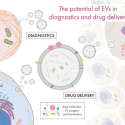
Unlocking the potential of Extracellular Vesicles: from single molecules to novel therapeutics By Dr Anna Caballe and Dr Katarzyna Ginda-Makela As part of normal homeostasis, cells release different types of small-sized membrane vesicles to traffic analytes across membranes, communicate with other cells and remove unwanted cell content. These vesicles can… Read More
By Dr Steve Arlington and John Wise As part of its mission to help members anticipate and prepare for changes in the pharmaceutical industry, The Pistoia Alliance has developed a research paper which sets out to consider what the life science, biopharma R&D and healthcare ecosystem might look like in… Read More
Using Live-Cell Imaging Systems to Transform Perspectives in Drug Discovery By Helen Stewart-Miller and Dr Kate Tointon Live-cell imaging has transformed the study of cell behaviour and function. The technique allows researchers to monitor internal cell structures, interactions and processes in real-time, and over time. In drug discovery, understanding the… Read More
Optimising Phenotypic Screening - Single-cell analysis versus 3D multicell analysis By Dr Richard M. Eglen In light of the high failure rate of compounds when they are subjected to clinical testing, we are seeing a renaissance in phenotypic screening in drug discovery. However, most phenotypic screening is based on the… Read More