Challenges in Transferring Bioanalytical Methods By Dr Chris Beaver Drug development is arduous and expensive with any delay to market resulting in significant financial impact. Delays at any stage of the process cause challenges to programmes, however, some are easier to predict and plan for than others. Development of bioanalytical… Read More
Growing Interest in Outsourcing Ion Channel Services By Dr John Comley Summer 2008 Significant demand now exists in Pharma and Biotech to access ion channel testing services and this is reflected by the number and the variety of service offerings. In the highly competitive area of cardiac safety hERG testing… Read More
Screening the Human Kinome - Expectations Met or Promises Pending? By Dr Richard M. Eglen Protein kinases are important targets in drug discovery programmes aimed at treating cancer, autoimmune disorders, diabetes and neurological disorders. Novel information on kinase biology is opening up other approaches in the design of selective inhibitors… Read More
Is Amyloid-related Toxicity an Inevitable Consequence of Ageing? By Dr J Mark Treherne and Dr David IC Scopes Amyloid-related toxicity need not necessarily be the inevitable consequence of ageing, if some of the new drug discovery strategies to treat neurodegenerative and other ageing-related diseases succeed in the clinic. An increasing… Read More
Dispense and Imaging Assays - Moving towards a more balanced use of both fluorescence and flash luminescent readouts By Dr John Comley Progress towards the uptake and adoption of flash luminescence readouts in screening were the subject of HTStec's recent Dispense & Imaging (D&I) Trends 2007 report. The report suggests… Read More
Progress in Systems-Based Analysis of Cellular Signalling By Dr Jeffrey A. Radding Drug discovery currently focuses on targeted approaches, relying on validation of the target as a disease driver. However, the underlying biological complexity of disease often frustrates these attempts at therapeutic intervention, resulting in high failure rates due to… Read More
Human ES Cell Derived Functional Cells as Tools in Drug Discovery By Dr Petter Bjorquist, Dr Peter Sartipy, Dr Raimund Strehl and Dr Johan Hyllner The drug discovery process is extremely-time consuming and expensive. Consequently, novel approaches for these processes and for reducing late-stage attrition are of great value for… Read More
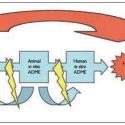
Perspectives for ADMET Integration in the Discovery Process By Dr Constance Hofer ADMET (ADME/Tox), is a relatively new symbiotic acronym for the investigation of basic compound behaviour in terms of absorption, distribution, metabolism and excretion, combined with assessments of toxicity. The emergence of ADMET instead of ADME reflects the growing… Read More
William Downey and Dr Shauna Farr-Jones GPCRs are the most studied drug target class and have a proven record as valuable drug targets, with 40-50% of marketed drugs being modulators of GPCR function. Despite the intense effort focused on these targets by the pharmaceutical industry over many years, numerous challenges… Read More
Technology, Bane or Bonanza for the Pharmaceutical industry? By Dr Stephen Naylor, Adam W. Culbertson and Dr Stephen J. Valentine Productivity in the pharmaceutical industry has long held well-documented concerns. While the adoption of new technologies into the drug discovery and development process has often been seen as a… Read More
Personalised Medicine - Technological innovation and patient empowerment or exuberant hyperbole? By Adam W. Culbertson, Dr Stephen J. Valentine and Dr Stephen Naylor The current paradigm of modern healthcare focuses on patient symptoms, subsequent diagnosis and corresponding treatment of the specific disease(s). Escalating healthcare costs and a trial and error… Read More
The evolving world of drug discovery data integration in the pharmaceutical industry Dr David Sedlock The world of drug discovery has been impacted significantly by an ever evolving use of computer systems during the past 25 years with the greatest change occurring during the past 10 years or so as… Read More
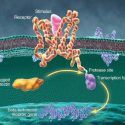
Emerging concepts of G protein-coupled receptor (GPCR) function and drug discovery By Dr Richard M. Eglen, Dr Roger Bosse and Dr Graham S. Long G protein-coupled cell surface receptors (GPCRs) have served a fundamental role in modern pharmacology, due to their central importance in cell communication, and have been the… Read More
Nanotechnology in High Throughput Screening By Dr Bobak Azamian and Flora Tang Nanotechnology has touched many scientific disciplines, from its roots in chemistry and physics to applications in biology and engineering (1). A nanotechnology industry has developed, offering at present a new iteration of established technologies such as composite materials… Read More
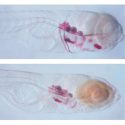
Zebrafish: a versatile in vivo model for drug safety assessment Dr Wendy Alderton and Dr St phane Berghmans Safety pharmacology has become an integral part of non-clinical safety assessment for new chemical entities in the past two decades (1). The relative novelty of this discipline has granted it the flexibility… Read More
Kinase Inhibitor Screening - Latest technologies and techniques By Dr Richard M. Eglen and Dr Roger Bossé Kinases have become a proven target class for new drugs and have created a thirst for the development of new technology platforms for inhibitor detection. We discuss some of the latest technologies and… Read More