Neutron Scattering Provides Unique Insights for Drug R&D By Dr Martyn Bull Drug discovery and development is a long and expensive process. Techniques, such as computer modelling, that make the search for promising candidates easier are usually taken up enthusiastically. Neutron scattering, an emerging technique in this field, can provide… Read More
New Mechanisms and Expanded Indications for Biologic Therapies: a perspective on immunology research and development By Dr Susan B. Dillon Over the past decade, the introduction of biologic therapies has had a profound impact for millions of patients with immune-mediated arthritides, inflammatory bowel diseases and plaque psoriasis. Today, five anti-Tumor… Read More
High Throughput Flow Cytometry for Discovery at UNMCMD and the NIH Molecular Libraries Initiative By Dr Larry A. Sklar and Dr Bruce S. Edwards Commercial flow cytometers became widely established in research and clinical laboratories in the 1980s. Once the domain of immunologists and hematologists for cell sorting and analysis,… Read More
Biomarkers Make Their Mark on Current Research and Drug Development Trends By Stephane Parent and Dr Gregory Cosentino Biomarkers continue to become increasingly relevant in research and healthcare applications, as evidenced by the global market for products involved in their identification, validation, and use estimated at $8.3 billion in 2007… Read More
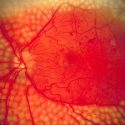
New Trends and Therapeutic Approaches for the Management of Diabetic Retinopathy By Dr Didier Pruneau Diabetes mellitus is a growing epidemic that has become a global public health problem. The long-term complications of diabetes include retinopathy, the leading cause of blindness and visual impairment in adults. Diabetic retinopathy correlates with… Read More
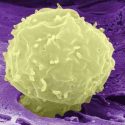
Stem Cells for Cellular Therapy Space By Dr Enal S. Razvi and Dr Gary M. Oosta This article explores the emerging market landscape vis--vis the use of stem cells as cellular therapeutics. For more than 40 years, hematopoietic stem cells have been utilised as cellular therapeutics in a number of… Read More
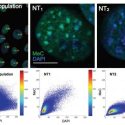
Utilising 3D nuclear DNA methylation patterns in cell-based assays for epigenetic drug screening By Professor Jian Tajbakhsh, Professor Arkadiusz Gertych and Professor Daniel L Farkas Since epigenetic changes are thought to underlie a wide range of complex diseases, the scope of epigenetic drug therapy is likely to expand, as epigenetic… Read More
Singapore Strengthens Position as Leading Site for Biopharmaceutical R&D By Kian-Teik Beh Globally, pharmaceutical and biotech companies are confronted by an impending patent cliff, while being challenged with declining research and development (R&D) productivity and the need to integrate multidisciplinary scientific capabilities. Against this backdrop, Asia presents… Read More
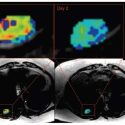
By Dr Susanta K. Sarkar The current challenges facing drug discovery and development in terms of attrition are well documented. This article discusses how molecular imaging approaches from bench to bedside can not only streamline drug development, but also open up new opportunities in the treatment management of targeted therapies. Read More
Share Share Tweet Email Stem Cell Therapies: Assessing the commercial opportunity Stem Cell Therapies: Assessing the commercial opportunity By Su Webber, Andrew Millest and Mark Williams Restructuring and reorganisation is routine and relentless in the pharmaceutical industry, with a future focus essential for effective strategic decision making. In recent years,… Read More
Stem Cell Applications and Opportunities in Drug Discovery By Dr Mark A. Thiede The high attrition rate of late stage drug candidates has led the pharmaceutical and biotech industries to a reassess the in vitro models used to select and validate drug targets and subsequent lead molecules. Traditional cell lines… Read More
Predicting Transporter-mediated Drug-drug Interactions Based on in Vitro Cell Permeability Assays By Dr Chris Bode Drugs may fail in clinical development or post-marketing for a variety of reasons: they may simply not be as effective as anticipated; poor pharmacokinetic properties may prevent them from reaching their intended target in therapeutic… Read More
Building a Robust Portfolio of New Medicines to Combat Malaria By Dr Timothy N.C. Wells Malaria is one of the biggest killers of our time. Current estimates from the World Health Organisation (WHO) suggest that more than 250 million people are at risk worldwide. More significantly, almost a million people… Read More
The Potential of High-resolution Human Immune Cell Assays to Aid the Pre-clinical to Clinical Transition of Drug Development Projects By Dr Catherine A. Brady The effort to develop drugs that interact with the human immune system (whether by accident or design) has been dogged by a mismatch between the data… Read More
Treating Rheumatoid Arthritis with Disease-Modifying Antirheumatic Drugs (DMARDs) and Biologics By Dr William E. Fogler Successful treatment paradigms for newly diagnosed rheumatoid arthritis (RA) now rely on aggressive pharmacotherapy approaches with disease-modifying antirheumatic drugs (DMARDs). Despite risks of toxicity and adverse effects, combination strategies with DMARDs are finding greater clinical… Read More
Next Generation Immunoassay Systems and the Revival of Protein Biomarkers By Dr John Todd and Dr Sara J. Agee Proteins are the machinery that drive most biological processes; however, measuring their concentrations at low levels has been historically impeded by a lack of appropriately sensitive technology. Advances in immunoassay technology,… Read More