From human genome to global genome - why precision medicine must address genetic diversity By Sumit Jamuar, et al. The publication of the first human genome sequence more than 15 years ago marked the start of a new era in medicine. In the years since then, researchers have greatly expanded… Read More
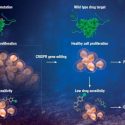
Fail Early, Fail Fast - A phenotypic rescue approach By Dr Anne-Marie Zuurmond, et al. New disease targets frequently emerge in literature, but the thorough target validation required to consider these targets for a drug discovery programme is often lacking. In pharmacological or genetic perturbation studies using complex biological assays,… Read More
Automating Automation - How close are we to Artificial Intelligence impact? By Dr Michael A. Tarselli, Dr Yohann Potier and Dr Alan E. Fletcher In terms of consistency, repeatability, known errors and sheer volume, there exists perhaps no better collection of data for computer learning than that emerging from automated… Read More
Automated Cell-based Assays: Novel tools overcome the barriers to drug discovery success By Helen Stewart-Miller and Kate Tointon In this article, we look at how commercial products and services are facilitating the automation of cell-based assays to advance drug discovery and accelerate the delivery of new medicines to patients. Cell-based… Read More
Cell Therapy - Falling short of its potential? By Pierre-Louis Joffrin Despite major investment in the field, few cell therapies have gained regulatory approval with limited commercial success. The success of therapeutic products is defined by three factors: safety, efficacy and scalability. Achieving these for cell therapy presents new challenges;… Read More
Safety First - Automating cell line development By Jon Newman-Smith Developing and maintaining cell cultures in a stable and sterile environment is of paramount importance to protect samples and increase overall success of drug discovery pipelines. Cell lines are extremely fragile and susceptible to contamination which can be catastrophic in… Read More
From Genotype to Phenotype: Leveraging functional genomics in oncology By Dr Menelas Pangalos & Steve Rees et al. A challenge in drug discovery is that, at best, only around one in five drug candidates will lead to the launch of a medicine. In 2011, AstraZeneca initiated a strategic ‘5R Framework’… Read More
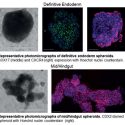
3D Organoid Cell Culture - Optimising disease models for research and drug discovery By Dr Amanda Linkous, Hilary Sherman, Iris Li and Dr Richard M. Eglen The use of human-induced pluripotent stem cells (HiPSCs) continues to grow in three-dimensional (3D) spheroid and organoid culture. Although advances in 3D cell culture… Read More
The Growth of Organoids in Cancer Drug Discovery By Dr J. Mark Treherne, et al., Will the automated expansion of organoids help improve the productivity of cancer drug discovery? Increasingly, complex cell-based assays and tissues are routinely used as part of cancer drug discovery. However, conventional monolayer or suspension cultures… Read More
Increasing Drug Discovery Success With 3D Cell Culture Systems By Dr Richard M. Eglen, Dr Feng Li and Dr Tony Frutos Drug candidates often fail in the clinic for two reasons: they lack efficacy or possess an adverse toxicity profile. These failures can come at a high cost, especially when… Read More
By Scott Hickman, Dr Brian Ogilvie and Tim Patterson. Good Laboratory Practice (GLP), are federal regulations that require implementation of a robust quality management system to ensure the validity, integrity and reliability of non-clinical safety data submitted for regulatory evaluation and approval. US Food and Drug Administration (FDA) GLP regulations… Read More
3D Cell Culture - Engineering Composable, Disease-Tunable 3D Human Microtissues for Drug Discovery By Dr Patrick Guye, Dr Eva Thoma and Dr Olivier Frey In this article, we will share some of what we have learned over the past 10 years as pioneers in the 3D cell culture space and… Read More
Hepatic Model Helps to Predict Clinically-Relevant Botanical-Drug Interactions By Dr Amy L. Roe and Dr Jonathan P. Jackson Use of botanical-based dietary supplements is increasing among people of all ages and in most geographies. Most of these populations have ready access to conventional medications, with significant polypharmacy observed in older… Read More
By Dr Phil Jones The mission at The University of Texas MD Anderson Cancer Center is to eradicate cancer, which remains a major cause of mortality worldwide. It is the second leading cause of death in the United States and globally, claiming more lives than malaria, HIV/AIDs and tuberculosis combined… Read More
The Future Of Drug Discovery - Cutting-edge technologies meet traditional paradigms in assay development By Dr Roger Bosse With more than 1,500 drugs approved by the Food and Drug Administration (FDA) on the market, the easiest disease targets are already covered (1). Today’s scientists are challenged to find new compounds,… Read More
How Phenotypic CRISPR Screening is Revolutionising Drug Discovery By Dr Steffen Lawo and Dr Carlos le Sage Research in drug discovery and biotechnology increasingly exploits gene editing at industrial scale in order to identify and validate new biological targets for precision medicines. The discovery of CRISPR-Cas9 systems has fuelled a… Read More