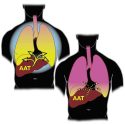
Protease Inhibitor Therapeutics for Respiratory Disease By Dr Philip J. Barr Disruption of the natural equilibria between proteases and their cognate inhibitors is a common feature of inflammatory disease. When this occurs in the lung, the effects can lead to irreversible impairment of pulmonary function. Although protease inhibition has been… Read More
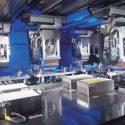
New Flash Imagers: Facilitating higher throughput functional GPCR assays By Dr John Comley The recent availability of tailored automation solutions that combine liquid handling at the reading position with the latest innovations in low light imaging technology are providing screeners with new tools for the measurement of high throughput flash… Read More
By Dr Paul Charlton To negotiate the optimum terms and conditions for deals which ensure a truly 'wise agreement', one that is mutually beneficial, realistically implementable, profitable and can withstand the inevitable knocks and trials that present themselves at usually the most inconvenient of moments should be the goal of… Read More
By Tim Ward Cell culture is and has historically been an essential component of the drug discovery toolbox. Cell culture provides the proteins, membrane preparations and other raw materials required for biological research. In recent years, with the emergence of high-throughput screening technology and binding and live, cell-based functional assays,… Read More
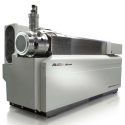
Recent advances in mass spectrometry for drug discovery and development By Dr Nelson Cooke Of the numerous types of analytical techniques used in drug discovery and development, mass spectrometry (MS) has become one of the most powerful tools for the analyses of a wide range of chemical and biological entities. Read More
PATCHERS vs SCREENERS: divergent opinion on high throughput electro-physiology By Dr John Comley The prospect of enabling higher throughput electro-physiology (patch-clamping) has created much expectation from scientists within the ion channel community. Yet there are opposing views among traditional electro-physiologists and screeners as to the needed specification and the preferred… Read More
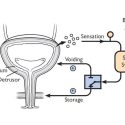
Urinary troubles for more than the ageing By Dr Anthony PDW Ford The needs of younger incontinence sufferers coupled with the ageing of the baby-boomer population portend a big boost in demand for effective and well tolerated new medicines for lower urinary-tract dysfunction. This market is under-served today, presenting a… Read More
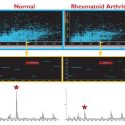
By Dr Steven Bodovitz and Dr Scott D. Patterson The potential for parallel protein-based analyses to define a new era in diagnostics and drug development is generating considerable excitement in the field of proteomics. However, the discovery of differentially expressed proteins that correlate with a disease state or a drug… Read More
Biotechnology-based Orphan Drugs - Achievements and challenges By Dr Erik Tambuyzer For many patients suffering from rare diseases, there are simply no medicines available to treat their condition. With an estimated 20-30 million such patients in Europe alone, rare diseases collectively represent a significant unmet medical need. Individual disease groups,… Read More
The Industrial Evolution of Screening Infrastructure By Chris Molloy Industrialisation of screening depends upon the use of a stable,mature infrastructure. According to a recent Boston Consulting Group report, a pharmaceutical company needs to spend 900 million ($810 million) on R&D to bring a product to market. This is almost three… Read More
Synthetic approaches to rational drug design - A changing landscape By Dr Shubh Sharma and Dr Carl Spana It is becoming clearer that newer synthetic approaches for rational drug design may hold the promise of taking us closer to industrialising drug discovery while, at the same time, overcoming the bottleneck… Read More
The cost and value of three-dimensional protein structure By Professor Raymond C. Stevens During the past few years we have seen the cost of protein three-dimensional structure determination begin to converge by protein family type, there has been a commoditisation of high-throughput structure based drug discovery technology components, and the… Read More
High Throughput Screening using G-protein coupled receptors as the target plate-based and biochromatographic technologies By Professor Irving W.Wainer, Dr Farideh Beigi and Dr Ruin Moaddel The G-protein coupled receptor (GPCR) family constitutes the largest class of cell surface receptors and GPCRs are the targets for more than 50% of the… Read More
Molecular pathology and the art of drug design By Dr Keith McCullagh The current explosion of interest in sophisticated genomic technologies, computerised robotics and high throughput screening of diverse molecular libraries appears to have been associated with a reduction in research productivity in recent years, as judged by the rate… Read More
Public Relations and the Drug Discovery Industry By Dr Richard Franklin The use of the Public Relations (PR) industry to promote all facets of the pharmaceutical industry is on the increase. We take a brief look at the various uses of PR and the sectors that are being promoted. Public… Read More
The Protein Biochip Content Problem By Dr Steven Bodovitz The protein biochip industry has a content problem that is not only slowing its development as a whole but possibly the development of the entire proteomics industry. In science, for a problem to have its own name, it needs to be… Read More