
Drug resistance study boosts discovery of next-generation cancer drugs
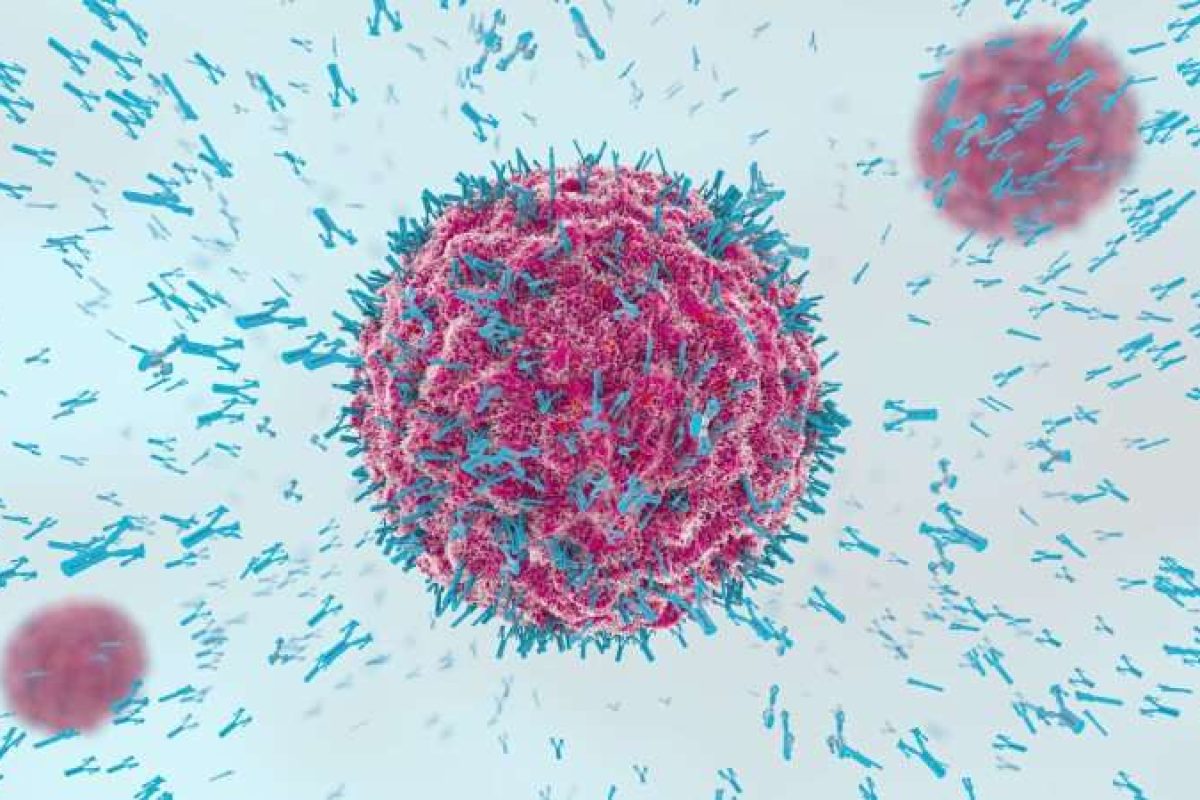
New research has detailed each type of cancer mutation that causes drug resistance, helping to uncover targets for drug development and identify potential effective second-line therapies.
In a new large-scale study, researchers from the Wellcome Sanger Institute, EMBL’s European Bioinformatics Institute (EMBL-EBI), Open Targets, and collaborators used CRISPR gene editing to map the genetic landscape of drug resistance in cancers.
The research, published in Nature Genetics, investigated the effect of mutations on the sensitivity to 10 cancer drugs, also identifying possible effective second-line treatments based on a person’s genetic makeup.
By understanding the mechanisms of how cancers become resistant to treatment, researchers can identify new targets for personalised therapies, help treat patients based on their cancer’s genetic makeup, give second-line treatment options to those who currently have none, and help further research to develop next-generation cancer drugs that could avoid drug resistance emerging.
A map of drug resistance
Mutations in cancer cells mean that over time they become less responsive to therapies.
However, current methods for identifying drug-resistance mutations require multiple samples from patients collected over a long time, making this a time-consuming and difficult process.
To gather large-scale information on cancer mutations, the team used CRISPR gene editing and single-cell genomic techniques to investigate the impact of multiple drugs across human cancer cell lines and organoid cell models.
By combining these techniques, researchers were able to create a map showing drug resistance across different cancers focusing on colon, lung, and Ewing sarcoma.
The map uncovers more about the mechanisms of drug resistance, highlights DNA changes that may be potential treatment biomarkers, and identifies promising combination or second-line therapies.
The four categories of cancer mutations
The team found that cancer mutations fall into four different categories depending on the impact of the DNA change:
- Drug resistance mutations, otherwise known as canonical drug resistance mutations, are genetic changes in the cancer cell that lead to the drug being less effective.
- Drug addiction mutations lead to some of the cancer cells using the drug to help them grow, instead of destroying them. This research supports the use of drug holidays in the case of drug addiction mutations, which are periods without treatment.
- Driver mutations are gain-of-function genetic changes that allow cancer cells to use a different signalling pathway to grow, avoiding the pathway that the drug may have blocked.
- Drug sensitising variants are genetic mutations that make the cancer more sensitive to certain treatments and could mean that patients with these genetic changes in their tumour would benefit from particular drugs.
The team used 10 cancer drugs that are either currently prescribed or going through clinical trials to help highlight if any of these could be repurposed or used in combination to address resistance.
Understanding more about the four different types of DNA changes could help accelerate research into next-generation cancer inhibitors that could better avoid drug resistance.
Dr Mathew Garnett, senior author from the Wellcome Sanger Institute and Open Targets, said: “This research brings us one step closer to being able to match combination or second-line therapies to a person’s genetic makeup, to try and ensure that treatments are as effective and personalised as possible. Additionally, we believe that our new systematic approach will be important for understanding genetic mechanisms of resistance to new drugs in the future. This could help even before the emergence of resistance in the clinic, and these early insights will improve developing cancer treatments.”
Diana Spencer, Senior Digital Content Editor, DDW