This is the latest episode of the free narrated DDW podcast, “Is customisation healthcare’s secret weapon?”. It covers two narrated articles written for Volume 22, Issue 3 – Summer 2021 of DDW. The articles are called “Optimising vaccine production through… Read More
Human Cell Design, a biotechnology company focused on generating translational human cellular models, has launched Endoc-BH5 to “open up entirely new scientific avenues in diabetes studies”, the company says. What is Endoc-BH5? Human Cell Design combined hiPSC-derived differentiated cells (human-induced Pluripotent Stem Cells) and primary… Read More
Bone Therapeutics and Implant Therapeutics have signed a research evaluation agreement to enable Bone Therapeutics to access, evaluate and materially transfer Implant Therapeutics’ Induced Pluripotent Stem Cell (iPSC) lines, media, differentiation protocols and expertise. Bone Therapeutics has developed a bone marrow-derived off-the-shelf, allogeneic MSC cell therapy platform. Read More
Listen to this article on the DDW Podcast: Brad Hamilton, Founder and Chief Science Officer at GoodCell examines the potential of induced Pluripotent Stem Cells. Across the world, patients suffering from heart failure, donor organ rejection and many other life-altering illnesses are struggling to combat the symptoms of their conditions. What… Read More
Listen to this article on the DDW Podcast: Pierre-Louis Joffrin leads Corporate Development at Mogrify. He examines immunotherapies including an assessment of the next generation of stem cell derived products. Biotech has joined the pursuit of next-generation CAR-Ts and it’s not subtle. Some new, others having pivoted towards the area, there… Read More
BRIM Biotechnology has announced it is preparing to initiate Phase III trials in 2022 for BRIM421. BRIM421 is a first-in-class peptide derived from BRIM’s proprietary, stem cell regenerative, Short Peptide (PDSP) technology platform, which can also be applied across multiple therapy areas and indications. Data demonstrate the drug has the… Read More
Tiny 3-D models that mimic vital aspects of the human nervous system have been developed in a step that could accelerate drug research for neurological conditions such as multiple sclerosis (MS). The millimetre-wide models – created using stem cells from human skin samples – will be… Read More
Today’s episode is titled: The power of precision and the potential of human tissue chips, and covers 2 articles taken from the most recent issue of DDW. These articles are titled: The power of precision to keep biologics effective and safe & Why we should be interested in human tissue chips These… Read More
iotaSciences, a company that develops technologies for single-cell cloning is giving exhibitor tutorials at SLAS2021 Digital. These tutorials will explore some of the key challenges of single-cell cloning for gene editing, stem cells and other applications. During the tutorials we will introduce our new cloning platform and provide customer data… Read More
REPROCELL’s new service – Personal iPS – will generate individual specific induced pluripotent stem cells (iPSC). The company will start taking orders from this month (January 2021) in Japan and has also launched a new B2C website to promote this service, which is currently only available in Japan. Personal iPS… Read More
By Ibis Sanchez-Serrano and Rathnam Chaguturu Mitigation of COVID-19 pandemic requires a combination of effective epidemiological policies and the discovery/development of powerful drugs against the Severe Acute Respiratory Syndrome Coronavirus 2 (SARS-CoV-2) that causes this disease. This article examines the major initiatives being explored at the public policy level to… Read More
By Dr Jamie Freeman Base editing is a potentially transformative technology for engineering DNA in cells that has the potential to generate knockouts or correct certain errors or mutations in the DNA for applications such as cell or gene therapies. Compared with currently-available gene editing methodologies such as CRISPR/Cas9, which… Read More
THE COVID-19 RACE how mouse models will help researchers cross the finish line By Dr Megan MacBride The emergence of SARS-CoV-2 virus and the disease it causes, COVID-19, have fuelled significant shifts in preclinical research across the globe. Amid the worldwide health emergency created by high infection rates, rapid transmission… Read More
By Dr Karin Bottcher High content screening (HCS) has played a significant role in infectious disease research and drug discovery to date and can be a strong tool in the age of COVID-19 and beyond. With a focus on viral diseases, this article will describe how HCS has been used… Read More
By Dr Ross Macdonald Cell-based therapies are being widely recognised for their potential to treat a variety of medical conditions, but they face major obstacles toward commercialisation. Traditionally, they have been difficult and expensive to make in large quantities. Biopharmaceutical companies must develop manufacturing solutions that will enable them to… Read More
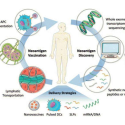
Honing in on perfect targeting By Dr Samantha Zaroff Volume 21 Issue 3 - Summer 2020 The pros and cons of different delivery modalities for personalised cancer vaccines. Introducing neoantigens directly into a patient in order to elicit an anti-tumour killing immune response is known as personalised cancer vaccine therapy. Read More