The Protein Biochip Content Problem By Dr Steven Bodovitz The protein biochip industry has a content problem that is not only slowing its development as a whole but possibly the development of the entire proteomics industry. In science, for a problem to have its own name, it needs to be… Read More
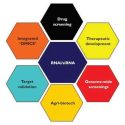
RNA interference - A technology platform for target validation, drug discovery and therapeutic development By Dr Krishnarao Appasani In the post genomic era, elucidation of the physiological function of genes has become a major rate-limiting step in the quest to develop 'gene-based-drugs'. As we advance in the 'functional omics' arena… Read More
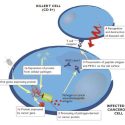
New developments in antigen-specific immunotherapies By Dr Jorg Schneider and Professor Andrew J. McMichael Novel therapeutic vaccines offer hope in the fight against chronic infectious disease and cancer. Vaccination has been used effectively for more than 200 years to protect individuals from a range of infectious diseases such as polio… Read More
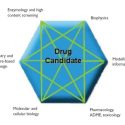
Functional proteomics in drug discovery By Dr Stefan W. Henning and Dr Leodevico L. Ilag The critical bottleneck of the drug discovery process is developing the right drug for the right target. Today proteins represent more than 90% of druggable targets and will most likely remain the single most important… Read More
In Silico Structure-based Drug Design - Shifting the bottleneck? By Dr Jonathan Heal Drug Discovery The use of in silico methods in drug design has grown significantly in popularity over the past couple of years. Indeed many pharma companies have already adopted some type of virtual screening capability to complement… Read More
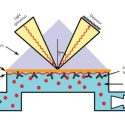
Surface Plasmon Resonance's impact on drug discovery - resolution, throughput and versatility By Dr David G. Myszka and Dr Rebecca L. Rich Surface plasmon resonance (SPR) biosensors have rapidly become a standard tool within the pharmaceutical and biotechnology industries. Label-free, real-time measurements are the calling card for this technology, which… Read More
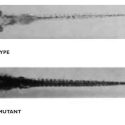
The role of ZEBRAFISH in drug discovery By Dr Paul Goldsmith and Roberto Solari The NIH has ranked the Zebrafish as the third most important experimental organism after man, the Sanger Centre is sequencing the genome and many medical researchers are shifting over to it. But will the zebrafish have… Read More
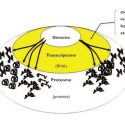
TRANSCRIPTOMICS - Realising the promise with a new era of drug discovery and diagnostics By Dr Bruce Seligmann The advent of modern genomics has provided new ways to link targets to diseases and validate these targets. The result is the potential for a new era of drug discovery transcriptomics or… Read More
A business model for sustainable, strategic relationships By Dr Douglas J. Squires and Dr James E. McClurg Historically relationships between CROs and pharmaceutical and biotech companies, and the results of these relationships, have not met shared expectations for strategic value exchange. This article presents a business model for achieving a… Read More
By Dr Lynn Butler The barriers to establishing an equitable partnership between biotechs and big pharma are high and many partnerships, once established, do not deliver the tangible and non-tangible value expected by the licensor. This article addresses how to develop and implement a partnering strategy that will deliver attractive… Read More
The transition from scientist to business manager in a biotech/drug discovery start-up By Dr Paul Charlton The move from a successful scientific career into senior management of a high technology start-up company frequently presents a paradigm shift for the individual in the way that they must manage both themselves and… Read More
Compound Management comes of age By Ian Yates The changing role of compound management in recent years has seen an often under-valued and under-resourced function being recognised as a key part of the drug discovery process. This article examines the challenges faced by compound management teams and, at a high… Read More
Balancing Quantity and Quality in Drug Discovery By Eva-Lotta Allan There is a need to innovate in order to stay ahead, a need to maximise the value of the R&D engine by increasing the flow of novel drug candidates and yet, reduce the time to market. Does access to more… Read More
Second-Generation Protein Drugs By Dr Jeffrey C.Way The first biotech revolution was catalysed in the late 1970s with the development of recombinant DNA technology. This revolution generated numerous billion-dollar protein drugs such as erythropoietin and the interferons. Now that the patents on these drugs are expiring, will second generation proteins,… Read More
Secondary Screening Workstations - The emergence of compact turnkey solutions that work By Dr John Comley With the launch of new workstations focused on secondary screening applications not only are we witnessing the shrinkage of laboratory automation but we are seeing the emergence of true walk-away solutions, ie set up… Read More
New Visions in Ophthalmic Drug Development By Dr Benjamin R. Yerxa, Dr Ward M. Peterson and Robin S.Whitsell Over the last 10 years we have seen the introduction of several new 'ophthalmology only' pharmaceutical products emerge such as Trusopt (dorzolamide, Merck) and Xalatan (latanoprost, Pharmacia). Innovative products such as these… Read More