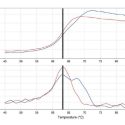
Reducing the PAINS in High Throughput Screening: Assay design as a tool for maximising efficiency By Dr Philip S. Jones and Dr Stuart P. McElroy While the quality of the compound collection is frequently described as a key determinant of the success of a high throughput screening… Read More
How Artificial Intelligence is Transforming Drug Design By Dr Mark Roberts and Dr Sam Genway AI could create a streamlined, automated approach to drug discovery, trawling vast datasets to identify targets, find candidate molecules and predict synthesis routes. Getting there will require significant vision, but we are… Read More
By Dr Alexander C. Maue It has become quite evident that the microbiome has the potential to impact drug discovery in vital ways. In addition to impacting study reproducibility and variability, the microbiome may influence drug efficacy or serve as a therapeutic agent. To… Read More
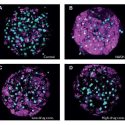
Optimising Phenotypic Screening – Single-cell analysis versus 3D multicell analysis By Dr Richard M. Eglen In light of the high failure rate of compounds when they are subjected to clinical testing, we are seeing a renaissance in phenotypic screening in drug discovery. However, most phenotypic screening is… Read More
Evolving Models for NASH Drug Discovery: Tools for stemming a silent epidemic By Dr Sue Grepper, Dr Radina Kostadinova, Dr Eva Thoma and Professor Armin Wolf Non-alcoholic fatty liver disease (NAFLD) has quietly become one of the most common causes of chronic liver disease in the modern world. Read More
2030 Life Sciences and Health in the Digital Age (Part 1) By Dr Steve Arlington and John Wise One of the key ways in which The Pistoia Alliance works with its members is to help them not just deal with the problems of today, but also to… Read More
From human genome to global genome – why precision medicine must address genetic diversity By Sumit Jamuar, et al. The publication of the first human genome sequence more than 15 years ago marked the start of a new era in medicine. In the years since then, researchers have… Read More
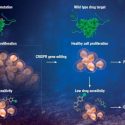
Fail Early, Fail Fast – A phenotypic rescue approach By Dr Anne-Marie Zuurmond, et al. New disease targets frequently emerge in literature, but the thorough target validation required to consider these targets for a drug discovery programme is often lacking. In pharmacological or genetic perturbation studies… Read More
Automating Automation – How close are we to Artificial Intelligence impact? By Dr Michael A. Tarselli, Dr Yohann Potier and Dr Alan E. Fletcher In terms of consistency, repeatability, known errors and sheer volume, there exists perhaps no better collection of data for computer learning than that… Read More
Application of bioinformatics in support of precision medicine By Mike Furness and John Wise Bioinformatics has played a major role in gene sequencing diagnostics and has been an essential tool to investigate the genetic causes of disease. With the support of new technologies and tools, bioinformatics can play… Read More
Automated Cell-based Assays: Novel tools overcome the barriers to drug discovery success By Helen Stewart-Miller and Kate Tointon In this article, we look at how commercial products and services are facilitating the automation of cell-based assays to advance drug discovery and accelerate the delivery of new medicines to… Read More
Cell Therapy – Falling short of its potential? By Pierre-Louis Joffrin Despite major investment in the field, few cell therapies have gained regulatory approval with limited commercial success. The success of therapeutic products is defined by three factors: safety, efficacy and scalability. Achieving these for… Read More
The Reality of Virtual Pharmaceutical Companies By Dr Stephen Naylor and Dr Kirkwood A. Pritchard Jr We discuss the oxymoronic proposition of a Virtual Pharmaceutical Company (VPC) and the typical adopted business model, as well as provide examples of such companies currently trying to undertake this adventurous… Read More
Safety First – Automating cell line development By Jon Newman-Smith Developing and maintaining cell cultures in a stable and sterile environment is of paramount importance to protect samples and increase overall success of drug discovery pipelines. Cell lines are extremely fragile and susceptible to contamination which can be… Read More
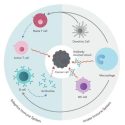
By Dr Mark Chao, et al. New immunotherapies that integrate innate and adaptive immune responses may increase efficacy against many cancers, and have the potential to expand the range of tumours and patients that can be treated with immunotherapy. Over the past decade, insights into the… Read More
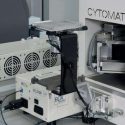
Flow Cytometry – The advanced systems overcoming drug discovery pain points By Helen Stewart-Miller and Dr Richard Massey Flow cytometry is an invaluable technique for the characterisation of highly heterogeneous cell populations. Thanks to improvements in throughput, automation and multichannel detection capabilities, recent years have seen… Read More