By Dr Anil Vasudevan Since the original publications on the benefits of conducting organic reactions in a microwave by Gedye (1) and Majetich (2) in the mid-80s, the uptake of this technique was sluggish at best for the next 12-14 years. However, the past few years have witnessed an explosion… Read More
High Throughput Screening in Academia - Drug discovery initiatives at the University of Kansas By Dr P McDonald, Dr Roy, Byron Taylor, Ashleigh Price, Dr Sittampalam, Dr Scott Weir, Dr Chaguturu Academia has historically been involved in exploring the fundamental aspects of the disease targets and in developing tool molecules… Read More
Next Generation Immunoassay Systems and the Revival of Protein Biomarkers By Dr John Todd and Dr Sara J. Agee Proteins are the machinery that drive most biological processes; however, measuring their concentrations at low levels has been historically impeded by a lack of appropriately sensitive technology. Advances in immunoassay technology,… Read More
Prediction versus Attrition in Drug Discovery & Development By Professor Malcolm Young The research-intensive part of the pharmaceutical industry is facing unusual commercial difficulties, whose elements are now well-known. A substantial number of very valuable drugs have gone, or are about to go, off patent; too few good new premium… Read More
Growing Interest in Outsourcing Ion Channel Services By Dr John Comley Summer 2008 Significant demand now exists in Pharma and Biotech to access ion channel testing services and this is reflected by the number and the variety of service offerings. In the highly competitive area of cardiac safety hERG testing… Read More
Emerging Real-time PCR Applications Dr Mikael Kubista Since its introduction on the commercial market little more than 10 years ago, real-time PCR has become the main technical platform for nucleic acid detection in research and development, as well as in routine diagnostics. In 2007 the real-time PCR market revenue in… Read More
Integrating HTS and Fragment-based Drug Discovery By Dr John Barker, Dr Thomas Hesterkamp and Dr Mark Whittaker High-Throughput Screening and Fragment Based Drug Discovery have been considered as alternative approaches to drug discovery for enzyme targets. HTS tends to be a rather quick way of identifying potent chemical matter with… Read More
Is Amyloid-related Toxicity an Inevitable Consequence of Ageing? By Dr J Mark Treherne and Dr David IC Scopes Amyloid-related toxicity need not necessarily be the inevitable consequence of ageing, if some of the new drug discovery strategies to treat neurodegenerative and other ageing-related diseases succeed in the clinic. An increasing… Read More
The Importance of Liquid Handling Quality Assurance in Drug Discovery By Dr Nathaniel G Hentz The tug-of-war between quality and productivity is an issue facing all drug discovery companies, competing in a fierce race to bring breakthrough drugs to market before the competition. With the advance of laboratory automation… Read More
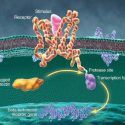
Progress in Systems-Based Analysis of Cellular Signalling By Dr Jeffrey A. Radding Drug discovery currently focuses on targeted approaches, relying on validation of the target as a disease driver. However, the underlying biological complexity of disease often frustrates these attempts at therapeutic intervention, resulting in high failure rates due to… Read More
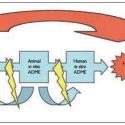
Perspectives for ADMET Integration in the Discovery Process By Dr Constance Hofer ADMET (ADME/Tox), is a relatively new symbiotic acronym for the investigation of basic compound behaviour in terms of absorption, distribution, metabolism and excretion, combined with assessments of toxicity. The emergence of ADMET instead of ADME reflects the growing… Read More
Compound Storage Evolution: Unlocking the right combination By Husam Fayez, Dr John Morin and Dr Jeff Paslay Delivering the correct compound, at the right concentration, to the correct place, at the expected time across different facilities, should be the aim of all liquid sample management teams. This article discusses how… Read More
William Downey and Dr Shauna Farr-Jones GPCRs are the most studied drug target class and have a proven record as valuable drug targets, with 40-50% of marketed drugs being modulators of GPCR function. Despite the intense effort focused on these targets by the pharmaceutical industry over many years, numerous challenges… Read More
Challenges and opportunities for the greening of separation science in the pharmaceutical industry Dr Christopher J. Welch Opportunities for reducing solvent consumption and waste generation in separation sciences used to support industrial pharmaceutical discovery and development are presented and discussed in this article. Several approaches are considered for ‘greening’ analytical… Read More
Monochromator vs Filter-based Plate Readers By Dr John Comley This article is based around feedback obtained in HTStec's recent Multi-Mode Microplate Reader Trends 2007 Report. It highlights findings on what influences reader choice, current use of different plate reader detection modalities, main target types/classes investigated using plate readers, sources of… Read More
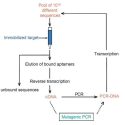
The Power of APTAMERS in the Drug Discovery Process Professor Michael Famulok Methods of combinatorial biochemistry allow the identification of nucleic acid sequences, or aptamers, which can bind their target molecules with high affinity and specificity and are able to efficiently inhibit their biological function. Macugen, the first aptamer-based drug… Read More