Developing The First Treatment For Acute Kidney Injury By Tim Knotnerus Acute Kidney Injury (AKI) is a devastating disease characterised by a rapid loss of kidney function resulting in inability to maintain fluid, electrolyte and acidbase balance. AKI is particularly common in patients admitted to the Intensive Care Unit where… Read More
How Digital Innovation and Collaboration Is Driving a Global Demand for Effective Reporting in Research Funding By Frances Buck The UK, Europe and the United States are world leaders in research and innovation, with their researchers making vast contributions to global knowledge. They have world-leading universities, research institutes and scientific… Read More
Building New Models of Drug Discovery in Europe - The Innovative Medicines Initiative By Dr Angela Wittelsberger, Dr Hugh Laverty and Dr Michel Goldman The discovery and development of a new medicine is time-consuming, risky and expensive. It often takes 10-15 years and an investment of on average >$1 billion… Read More
Collaboration For Innovation Is The New Mantra For The Pharmaceutical Industry By Professor Jackie Hunter In order to maintain a flow of innovative medicines there is a growing realisation that companies cannot allow the status quo to remain as it is and the need to identify sources of appropriate knowledge… Read More
By Dr John Comley 3D cell culture has the potential to deliver higher quality culture information that is more representative of tissue morphology and predictive of drug responses in vivo. Three years ago we concluded in DDW that 3D cell culture was still open to major improvements, so what has… Read More
More Than Genes and Cells: Drug Discovery in the Extracellular Matrix (ECM) By Dr William Bains Drug discovery in the last few decades has focused on the cellular and genetic mechanisms of disease. This has been very successful in cancer, which is a disease of somatic genetics, and moderately successful… Read More
Stem Cell Banking In Support of Drug Discovery By Dr Thomas J Novak, Dr Uta Grieshammer, Dr Michael Yaffe and Dr Steve Madore The discovery by Yamanaka and Thomson in 2007 that human somatic cells can be reprogrammed to a pluripotent state (ie, induced pluripotent stem cells, iPSCs) has revolutionised… Read More
Large-Scale Expansion of Stem Cells For Therapy and Screening By Dr Y. John Shyu, Dr Katherine E. Strathearn and Dr Richard M. Eglen Recently, pre-clinical and clinical studies of stem cells in regenerative medicine have demonstrated great promise as treatments for various diseases. Their ability to self-renew and differentiate makes… Read More
Exploring The Feasibility of Human Antimicrobial Peptides For New and More Efficient Antibiotics By Dr Max Ryadnov To help combat decades of stagnation in antibiotic development, a team led by the National Physical Laboratory conducted two studies into the antimicrobial peptides that fight infection in our bodies and the feasibility… Read More
The Drug Repositioning Revolution: Rescuing & Repurposing Drugs By Dr Monika Green and Dr Kate Hudson-Farmer Cost containment and improving ways of treating people are key drivers for healthcare systems. Unfortunately, these do not often go hand in hand. Finding novel therapeutics with enhanced efficacy is both time consuming and… Read More
Biomarker Discovery: The Need For New Generation Peptide-Protein Microarrays By Dr Nikolai Schwabe and Katherine Catchpole The progression from health to disease is marked by significant biological changes within an individual (1). Clinically presenting symptoms, however, can be non-specific and variable enough to hinder diagnosis, and may appear only after… Read More
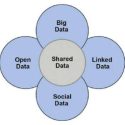
Healthcare and Life Sciences undergoing disruptive change by linked data and semantic technologies By Hans Constandt From early days the sharing of knowledge has been one of the main forces driving science and innovation. Yet latterly, the pharmaceutical industry with its fear of loss of intellectual property has stalled the… Read More
Gene Editing: Re-writing Genomes With Targetable Nucleases By Dr Dana Carroll We are in the midst of a revolution in genome engineering, based on reagents that can be designed to cut chromosomal DNA at arbitrary sites. These targetable nucleases allow creation of new mutations at specific sites, introduction of designed… Read More
The Great Neuro-Pipeline Brain Drain - Why Big Pharma Hasn't Given Up On CNS Disorders By Julia Skripka-Serry Central Nervous System (CNS) disorders bear an economic burden of more than $2 trillion in the US and EU and rake in upwards of $80 billion a year for the pharmaceutical industry. Read More
By Dr Alejandra Solache, Robert Brockett, Trinette Chuang, Dr Robin Clark, Rey Dimagiba, Dr April Fisher, Dr Wayne Speckmann and Dr Chun Yang Antibodies have become a vital tool among researchers in the life sciences and are routinely being used in a number of diverse immunoassay applications, including Western blotting… Read More
Partnering with the right CRO is a winning strategy for companies big and small By Dr Davide Molho The Bio-Pharma business model is undergoing radical changes. Over the last two decades, we have seen the biopharmaceutical industry gradually become more willing to look externally and embrace the concept of outsourcing… Read More