
First patient receives anti-CD24 macrophage checkpoint inhibitor
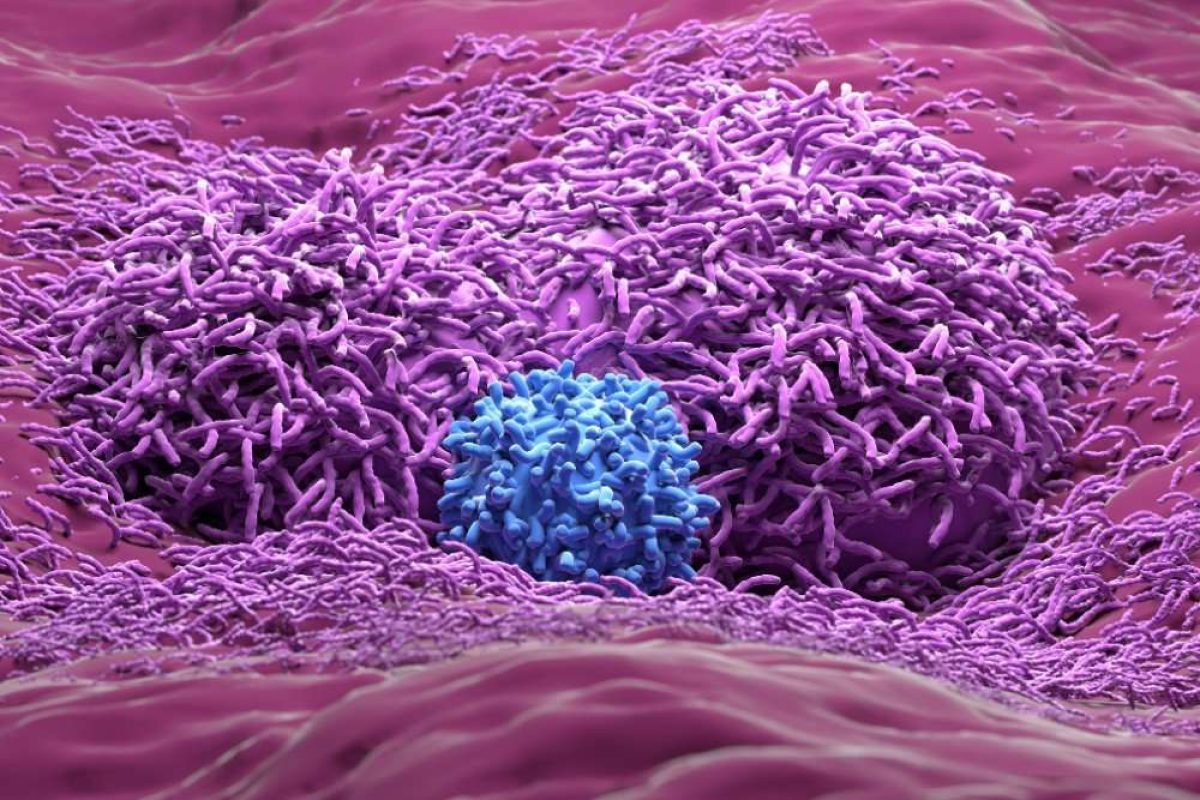
Pheast Therapeutics has treated the first patient in its Phase I clinical trial evaluating PHST001, an anti-CD24 macrophage checkpoint inhibitor, in patients with advanced solid tumours.
The study will enrol up to 80 patients with advanced relapsed and/or refractory solid tumours.
The study’s primary objectives include evaluating safety and tolerability of PHST001 and establishing the recommended Phase II dose, with secondary endpoints assessing pharmacokinetics and early signs of anti-tumour activity.
“The start of this Phase I trial is an important milestone for Pheast and for the advancement of next generation macrophage checkpoint therapies,” said Roy Maute, Co-founder and CEO, Pheast Therapeutics. “We believe PHST001 has the potential to provide new treatment options for patients, particularly in cancers where other immunotherapies have not been effective.”
CD24 is a cell surface protein that plays a key role in tumour immune evasion by engaging Siglec-10, an inhibitory receptor on macrophages. This interaction suppresses macrophage-mediated clearance of cancer cells, allowing tumours to escape destruction by the innate immune system.
Preclinical data highlight PHST001’s potential across multiple cancer types, and its differentiation as a novel macrophage checkpoint inhibitor uniquely designed to target all glyco-variants of CD24.
By binding CD24 with high affinity and specificity, PHST001 promotes macrophage-induced phagocytosis in a variety of cancer cell types and significantly shrinks tumours in in vivo models.
Irving Weissman, Scientific Co-Founder of Pheast Therapeutics added: “CD24 is a key mechanism that tumours use to evade macrophage-mediated immune responses. PHST001 was developed based on foundational research into this pathway, and I’m encouraged to see this science progressing into the clinic. It’s a meaningful step toward harnessing the full potential of the innate immune system in cancer.”
Diana Spencer, Senior Digital Content Editor, DDW