
Chemotherapy finding could guide better treatments
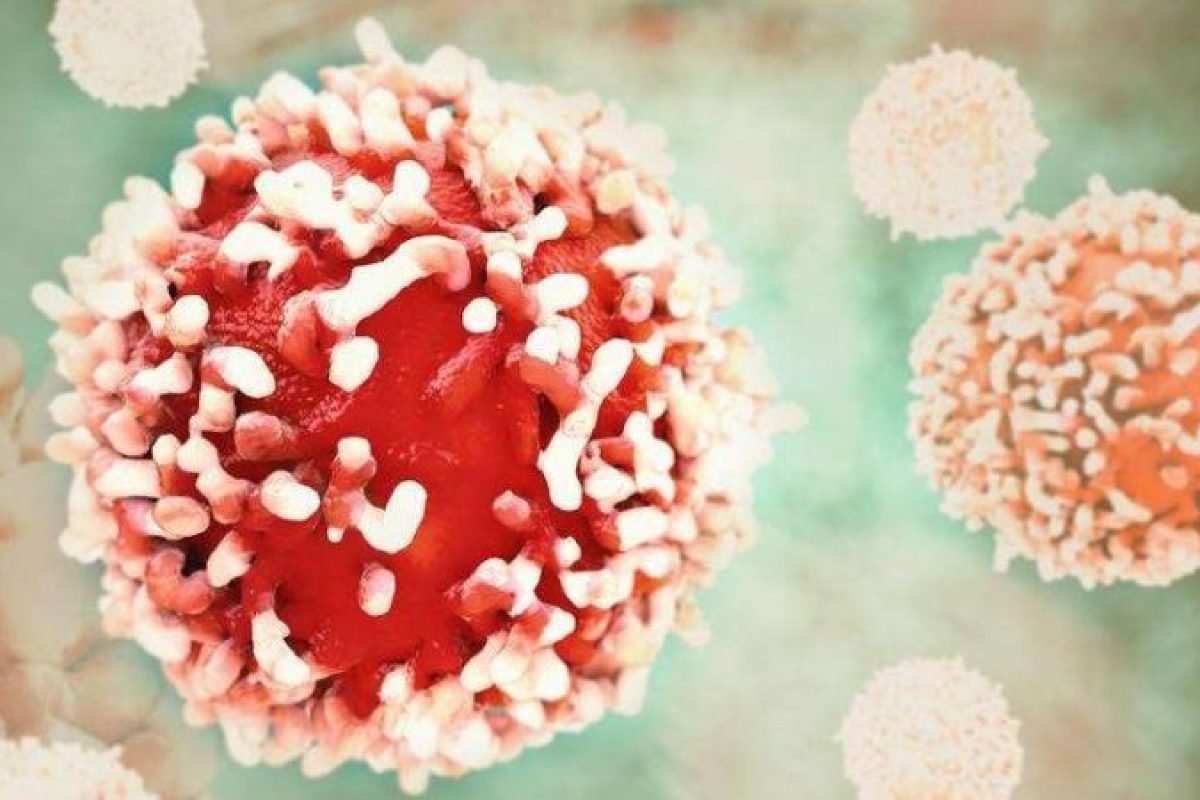
For the first time, scientists have systematically studied the genetic effects of chemotherapy on healthy tissues.
Researchers from the Wellcome Sanger Institute, the University of Cambridge, Cambridge University Hospitals NHS Foundation Trust (CUH) and their collaborators analysed blood cell genomes from 23 patients of all ages who had been treated with a range of chemotherapies.
Published in Nature Genetics, the researchers show that many, but not all, chemotherapy agents cause mutations and premature ageing in healthy blood.
As part of Cancer Grand Challenges team Mutographs, the researchers uncovered new patterns of DNA damage, or mutational signatures, associated with specific chemotherapy drugs.
The researchers suggest that the damaging genetic effects of chemotherapy identified by whole genome sequencing could guide the future treatment of patients with effective chemotherapies that have less harmful effects on healthy tissues.
Premature ageing of the blood
By looking at patterns of damage in the DNA, the researchers showed that different chemotherapeutics have different mutational signatures, and identified four new signatures found in chemotherapy-treated patients.
For instance, the researchers found that some platinum agents, such as carboplatin and cisplatin, caused very high numbers of mutations. Whereas other drugs in the same class, such as oxaliplatin, did not.
Chemotherapy caused a similar pattern of change to hematopoietic stem cells as would be expected in normal ageing, but prematurely in some middle-aged adults. Particularly in children who have had chemotherapy, their blood appeared to prematurely age, which may increase the risk of secondary cancer later in life.
Scientists suggest that genomic data could help in choosing the chemotherapies for children that minimise this premature ageing, and genomic technologies could monitor for further changes later in life.
Dr Emily Mitchell, first author at the Wellcome Sanger Institute and clinician at CUH, said: “For the first time, we have taken a systematic view of the genetic effects of chemotherapy on healthy tissues – in this case, blood. We find that some, but not all chemotherapies cause genetic mutations and premature ageing in normal blood. This study lays the groundwork for future research into the effects of chemotherapy on many other normal tissues, including multiple tissue sampling pre and post treatment, across a range of chemotherapies in a larger group of patients. This comprehensive view would reveal the full range of effects of different chemotherapies, and help us to optimise patient health in the long term.”
Diana Turner, Senior Digital Content Editor, DDW