
Bacteria destroys head and neck cancer tumours
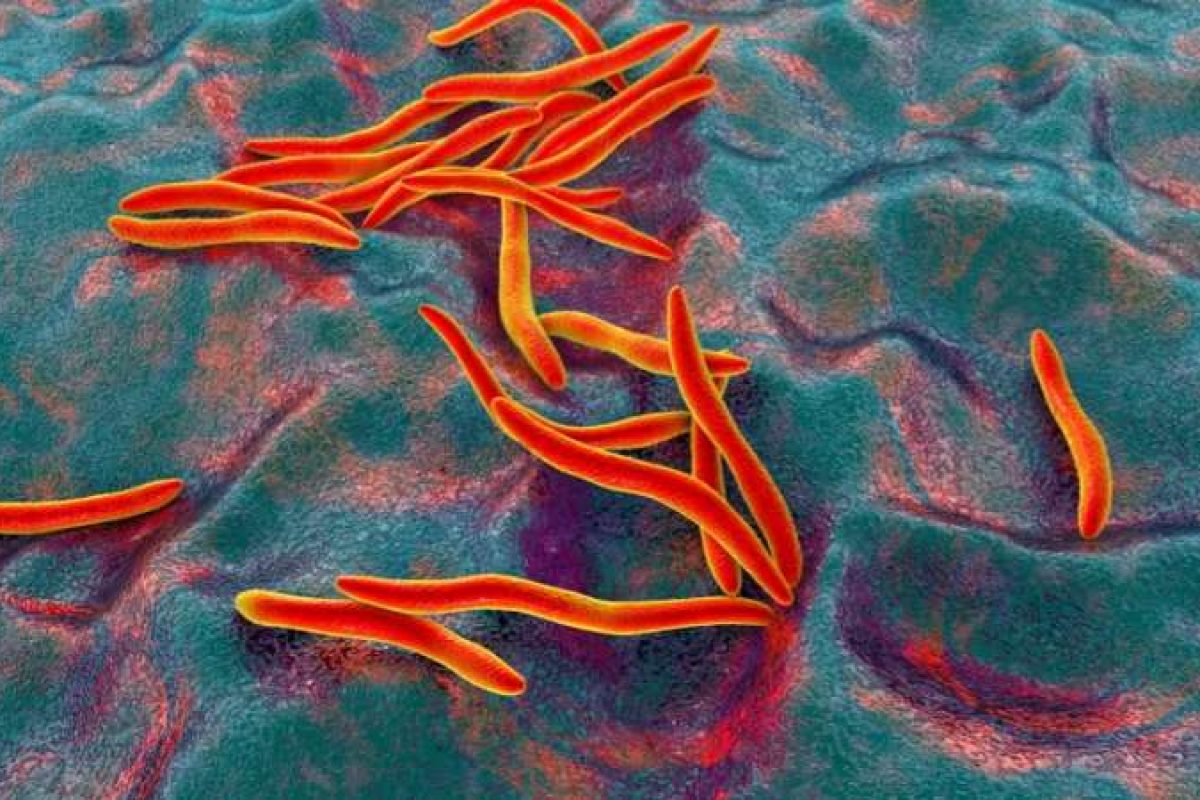
Researchers at Guy’s and St Thomas’, and King’s College London in the UK have found that a bacteria is toxic for head and neck cancer and could lead to better treatments for patients.
Fusobacterium is usually associated with the progression of bowel cancer. However, new research published in Cancer Communications shows that in the most common type of head and neck cancer, Fusobacterium actually destroys tumour cells.
The team of researchers, led by Dr Miguel Reis Ferreira, Consultant in Head and Neck Cancers at Guy’s and St Thomas’, found that head and neck cancer patients harbouring higher levels of Fusobacterium consistently had a better prognosis than those with lower levels.
Following these observations, Dr Anjali Chander, Senior Clinical Research Fellow at King’s College London, found that there was a 70-99% reduction in the number of viable cancer cells in head and neck cancer cell cultures after being infected with Fusobacterium. The bacteria destroy the tumour by releasing toxic molecules, reducing its viability.
This research will help further knowledge of how bacteria and cancers interact, and could lead to better treatment outcomes for patients – by helping to develop kinder treatments with less side effects.
Fusobacterium could also act as a potential predictive biomarker for the efficacy of head and neck cancer treatment.
Dr Miguel Reis Ferreira said: “This research reveals that these bacteria play a more complex role than previously known in their relationship with cancer – that they essentially melt head and neck cancer cells. However, this finding should be balanced by their known role in making cancers, such as those in the bowel, get worse.
“Next we want to better understand how we can translate this new knowledge into improvements in the treatment of patients with head and neck, and other cancers.”
Diana Spencer, Senior Digital Content Editor, DDW