King’s College London

#Alzheimer's #Brain #Breast cancer #Dementia #Genetics #Immunology #Institute of Cancer Research #King's College London #Neuroscience #Parkinson's #Respiratory syncytial virus #Women's health

DDW Highlights: 17 March 2026

The latest episode of the DDW Highlights Podcast is now available to listen to below. DDW’s Bruno Quinney narrates five key stories of the previous week to keep DDW subscribers up-to-date on the latest industry news. Last week, research on the brain proved a popular theme, unlocking insights into Alzheimer’s, dementia… Read More


#Podcasts

#Alzheimer's #Brain #Breast cancer #Dementia #Genetics #Immunology #Institute of Cancer Research #King's College London #Neuroscience #Parkinson's #Respiratory syncytial virus #Women's health

This week in Drug Discovery (9 – 13 March) 

News round-up for 9 – 13 March February by Bruno Quinney, Content Team at DDW.  This week, research on the brain has proved a popular theme, unlocking insights into Alzheimer’s, dementia and cancer. Elsewhere, a genetic target could provide new routes to breast cancer treatment.  The top stories: … Read More

#News

#Breast cancer #Genetics #Institute of Cancer Research #King's College London

Research uncovers genetic target for aggressive breast cancer 

Researchers have identified a gene which could provide new routes for breast cancer treatment.  Scientists from the Breast Cancer Now Toby Robins Research Centre at The Institute of Cancer Research (ICR), London and the Breast Cancer Now Research Unit at King’s College London, have uncovered a new weakness in triple… Read More

#Cancer Research #News

Woman reaches for inhaler
#Asthma #AstraZeneca #King's College London #Phase II trial

First new treatment for asthma attacks in 50 years

An injection given during some asthma and COPD attacks is more effective than the current treatment of steroid tablets, reducing the need for further treatment by 30%, according to a UK study.  The findings, published in The Lancet Respiratory Medicine, could… Read More

#News #Trending News

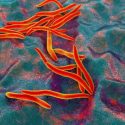
Fusobacterium
#Bacteria #Guy’s and St Thomas' #Head and neck cancer #King's College London #Oncology

Bacteria destroys head and neck cancer tumours

Researchers at Guy’s and St Thomas’, and King’s College London in the UK have found that a bacteria is toxic for head and neck cancer and could lead to better treatments for patients. Fusobacterium is usually associated with the progression of bowel cancer. However, new research… Read More

#Cancer Research #Editor's Choice #News

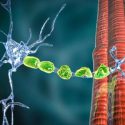
Demyelination of neuron
#Genetics / genomics #King's College London #LifeArc #MND #Motor neuron disease #Partnership

UK research partners team up to accelerate MND drug discovery

UK charity LifeArc has pledged £1.5 million to fund a new two-year collaborative partnership with King’s College London (KCL) to validate a portfolio of human genetic driven therapeutic targets for motor neuron disease (MND). The new partnership, which will involve scientists from both organisations working closely… Read More

#Editor's Choice #News

mRNA
#King's College London #Liver disease #Moderna #Mouse models #mRNA #Rare disease #University College London

Study reveals therapeutic potential of mRNA in rare diseases

Researchers have used messenger RNA (mRNA) to create an effective therapy for a rare liver disease in preclinical studies, demonstrating the technology’s potential therapeutic use in people. The team, led by University College London (UCL), King’s College London and Moderna scientists, found that mRNA could be… Read More

#Editor's Choice #News

Large intestine
#Francis Crick Institute #Genetics / genomics #Inflammatory Bowel Disease #King's College London #T cell activation

Specialised T cells could offer way to repair the gut barrier

Researchers from the Francis Crick Institute, King’s College London and Guy’s and St Thomas’ NHS Foundation Trust in the UK have characterised a specialised type of immune cell, which plays a key role in protecting and repairing the cells in the healthy human gut. The researchers… Read More

#Editor's Choice #News

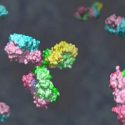
IgE antibodies
#Antibody #Cancer research #Cancer Research UK #Epsilogen #King's College London #Oncology #Phase I trial

New class of antibody cancer drug shows promise

A Cancer Research UK-funded clinical trial has shown, for the first time, that a new class of antibody could benefit cancer patients whose existing treatments have stopped working. The Phase I clinical trial, sponsored and managed by Cancer Research UK’s Centre for Drug Development, tested whether… Read More

#Cancer Research #News

Breast cancer
#Breast cancer #Breast Cancer Now #Cancer immunotherapy #Cancer research #King's College London #Oncology #The Institute of Cancer Research

Immune targets identified for chemo-resistant breast cancers

Researchers from King’s College London and The Institute of Cancer Research, London, have performed a deep dive into the different immune markers within tumour tissue and blood samples of early breast cancer patients whose cancer failed to respond to chemotherapy given to them prior to surgery. The research gives insight… Read More

#Cancer Research #News