
Study advances genetic understanding of testicular cancer
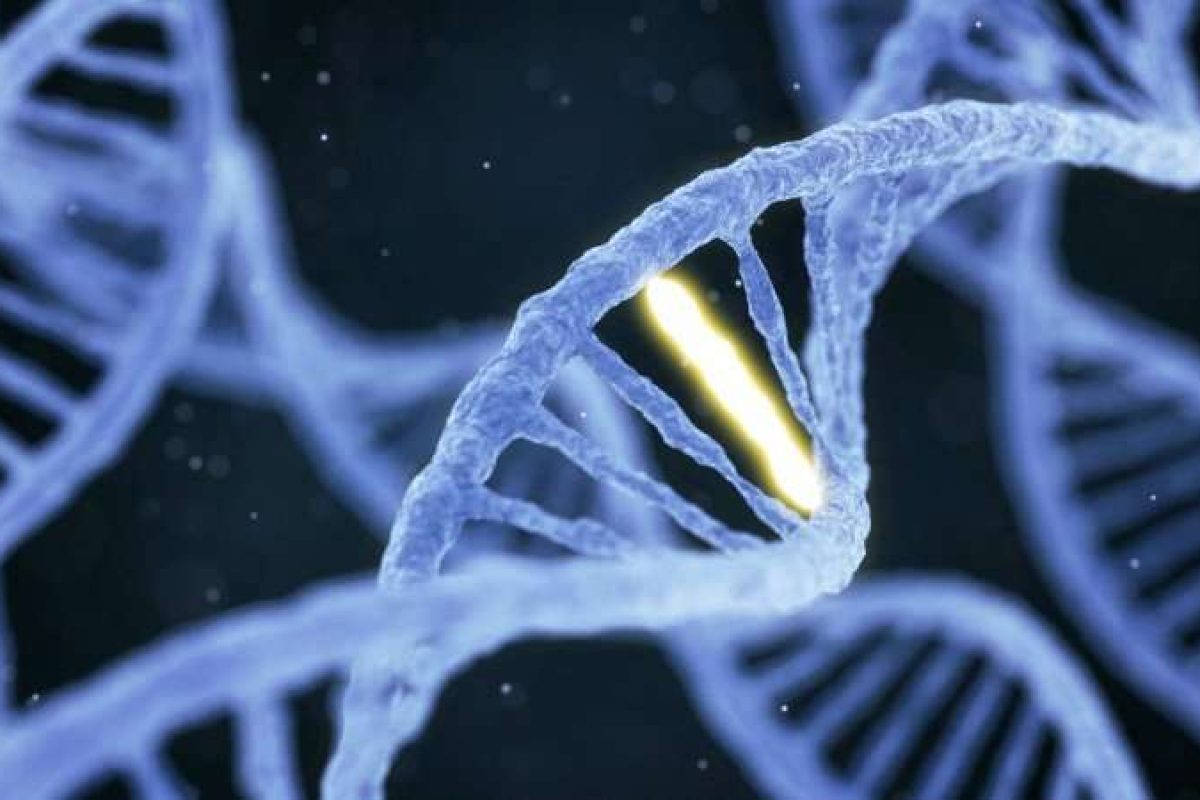
The largest study to date of the most common form of testicular cancer has uncovered a possible link between disease risk and variations in the genes controlling cell shape and movement.
The study reveals new insights into how rare genetic variants may contribute to susceptibility – laying the groundwork for a better understanding of potential targets for future treatments.
The study, led by researchers at The Institute of Cancer Research (ICR), London, compared the genetic data of men with and without testicular germ cell tumours (TGCTs).
TGCTs are tumours formed in germ cells, which are the cells that develop into sperm in the testes and eggs in the ovaries. They represent the most common form of testicular cancer, accounting for more than 90% of cases.
The study, published in the journal European Urology Open Science, analysed 1,435 TGCT cases and 18,284 cancer-free controls using whole-exome sequencing.
While previous genome-wide association (GWAS) studies have linked 78 fixed chromosome positions to TGCT risk – explaining more than 44% of the disease’s heritability – much of the genetic basis remains unknown.
No single causative gene for testicular cancer
The researchers pooled data from three TGCT case series, incorporating previous analyses conducted by the ICR and The Cancer Genome Atlas programme, as well as newly analysed cases from the UK Biobank.
This study reaffirms the understanding that TGCTs have a strong heritable basis (37-49%), with immediate family members being four to six times more likely to develop the disease.
However, despite the team using the largest UK Biobank dataset to date, no individual genes were found to be significantly associated with TGCTs.
While past research has pointed to possible genes such as DNAAF1 and CHEK2 playing a role in TGCT susceptibility, these associations have not been consistently confirmed in larger studies.
The researchers did, however, through analysing groups of related genes, find that rare genetic variants potentially linked to TGCTs were found in genes associated with microtubular and ciliary pathways.
First author Zeid Kuzbari, a PhD student in the Translational Genomics Group at the ICR, said: “While this study didn’t pinpoint a single causative gene, it has significantly advanced our understanding of TGCT genetics. The results suggest that testicular cancer risk is likely influenced by a complex interaction between multiple low-effect genetic variants rather than a single high-risk gene. Although we have yet to identify a definitive genetic marker for TGCTs, studies like this pave the way for more personalised approaches to cancer prevention and treatment.”
Diana Spencer, Senior Digital Content Editor, DDW