
Science reveals how cancer cells outsmart normal cells
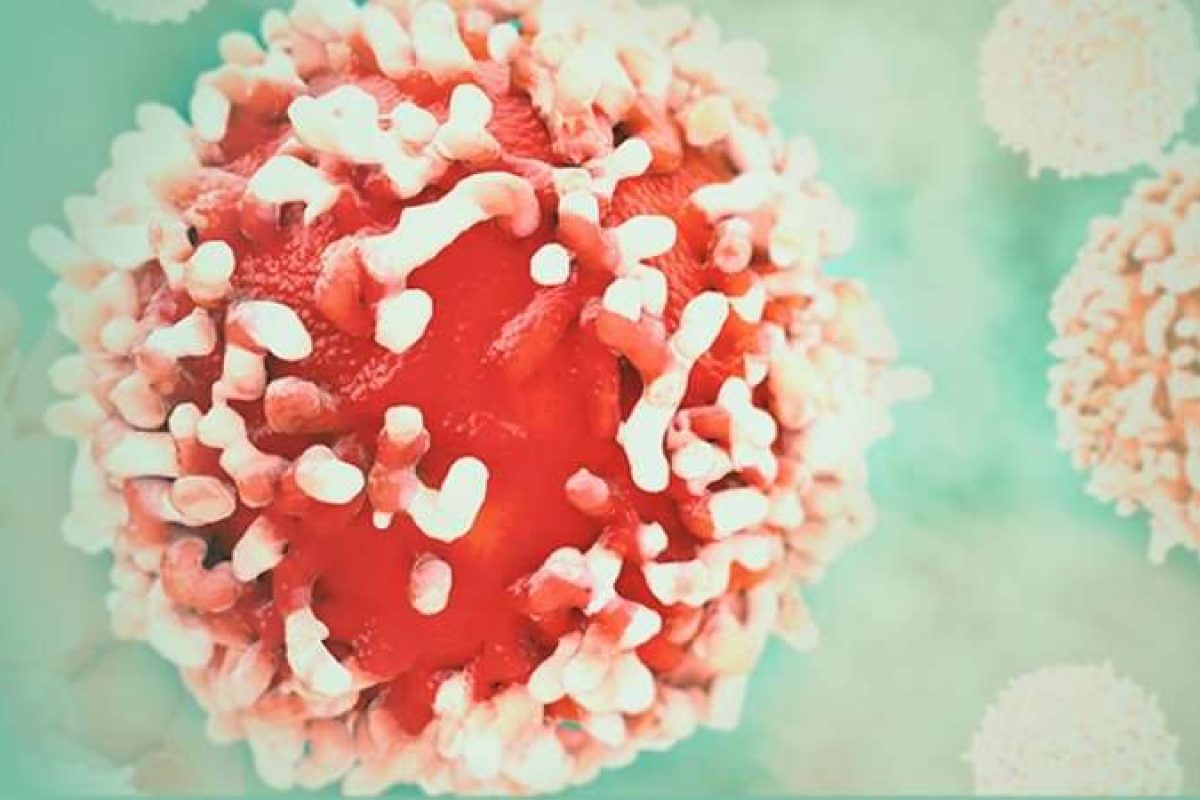
Scientists have discovered that some cancer cells pretend to be ‘super fit’ to fool normal healthy cells into giving them their nutrients, allowing them to expand and spread around the body.
A team from The Institute of Cancer Research (ICR), London, found that ‘cheating’ cancer cells develop the ability to hijack the body’s natural ‘cell competition’ process, which ensures that substandard cells do not accumulate but instead are killed and removed.
The researchers, based in the Breast Cancer Now Toby Robins Research Centre at ICR, hope that this discovery will lead to better treatments.
Normally, this evolutionary principle of ‘survival of the fittest’ is a crucial quality control mechanism for maintaining tissue health and function. However, defects in cell competition can result in the retention of damaged or dangerous cells, potentially triggering the formation of tumours.
New therapeutic approaches to cancer
The ICR team discovered that differing levels of extracellular glutamate, a crucial building block and messenger molecule in the body, regulates competition between cells.
They found that cells with a lower secretion of glutamate are earmarked as ‘losers’ when surrounded by normal healthy cells. When this happens, the loser cell starts to donate its nutrients to its fitter neighbours.
Importantly, they also found that the process can be exploited by cancer cells, which cheat the system by pretending to be ‘super-fit’ and increasing their glutamate production. This allows them to expand and spread at the expense of surrounding normal cells.
Furthermore, when cell competition takes place between cancer cells, it can lead to some cancer cells developing resistance to chemotherapy or other targeted therapies. These resistant cells survive and multiply, making treatment less effective.
Lead study author Professor Pascal Meier, Professor of Cell Death and Immunity at The Institute of Cancer Research, London, said: “By better understanding cell competition and how cancer hijacks it, we hope to ultimately design new therapeutic approaches to treat cancer and stop it becoming resistant to treatment so people can live well for longer, even with advanced disease.”
Diana Spencer, Senior Digital Content Editor, DDW