
Cancer breakthrough could stop tumours before they metastasise
Scientists have discovered a new way to predict which tumours will become aggressive before they metastasise and spread around the body.
The research, published in Nature Communications, reveals how cancer cells are altered by their surroundings, enabling them to change their shape and break out of a tumour.
The discovery paves the way for treatments that will tackle cancer before it can spread.
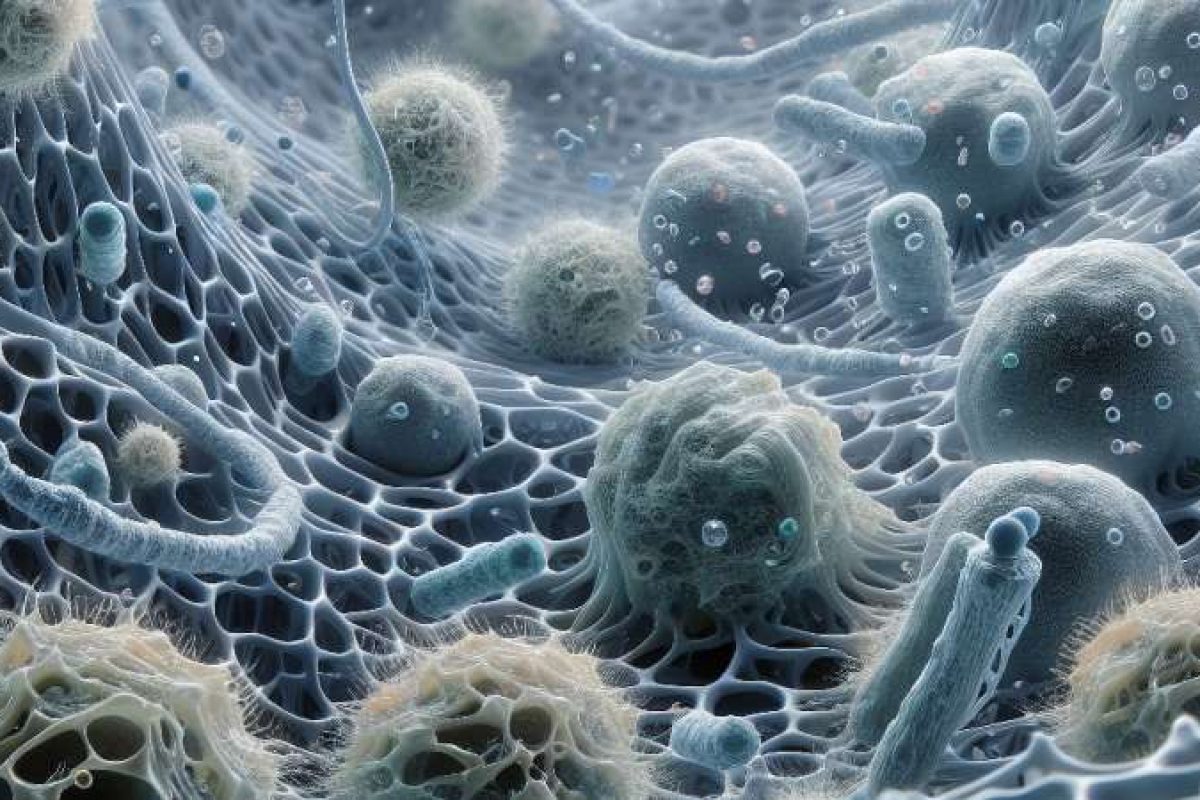
Tumours are held together by the extracellular matrix (ECM). A team from The Institute of Cancer Research, London, and Barts Cancer Institute at Queen Mary University of London (BCI-QMUL), discovered how cancer cells use the layout of this structure as a ‘roadmap’ to leave the tumour.
They found that the ECM triggers changes within the cancer cells themselves – altering their shape and boosting their ability to travel to different parts of the body.
This breakthrough means that aggressive tumours that are likely to metastasise can now more easily be identified at an earlier stage – allowing clinicians to tailor treatment sooner.
Drugs are currently in development to target the ECM’s layout, as well as the genes that drive these cell shape changes – which could stop cancer in its tracks before it can escape the tumour and spread.
ECM provides ‘tracks’ for cells to follow
The team, funded by Cancer Research UK and Barts Charity, and working in the Breast Cancer Now Toby Robins Research Centre at The Institute of Cancer Research (ICR), looked at tumour tissue from 99 patients with melanoma skin cancer and breast cancer.
They saw that the ECM was laid out differently in three distinct areas of the tumour. Like scaffolding, the ECM is made up of a number of components, including pole-like fibres. At the centre of the tumour, the fibres were spread out and disorganised, whilst at the border they were tightly packed and thicker.
At the outermost border of the tumour, the fibres were arranged pointing away from the tumour – providing the ‘tracks’ for the cancer cells to follow as they escape from the tumour. At this outermost border of the tumour, the cancer cells were rounded – a more invasive cell shape.
The team grew melanoma cancer cells in a model of these conditions and injected them into mice. Cancer cells grown in these conditions were more likely to spread to the lungs and metastasise than melanoma cells grown in control conditions with disorganised fibres.
The researchers saw differences in the type of genes present in the cells depending on where in the tumour they came from. Cells at the border of the tumour had more genes linked to cell migration, rounding of the cell shape, and inflammation – all making the cells more aggressive and likely to survive.
Potential for drugs targeting the ECM
The team also saw an increase in the expression of genes for enzymes that impact the organisation of the matrix – highlighting how cancer cells corrupt their surroundings to break out of the tumour.
Comparing these findings to cancers from patients with 14 different tumour types, the researchers found that a higher presence of these genes was associated with a shorter survival time.
The researchers say that these findings open new avenues for treatment to tackle cancer before it can spread, such as drugs targeting lysyl oxidase (LOX), which are already in clinical trials for other conditions. These drugs work by targeting an enzyme that stabilises the matrix, which is found more abundantly in the border region of tumours.
Professor Victoria Sanz Moreno, Professor of Cancer Cell and Metastasis Biology at The Institute of Cancer Research, London, who led the study said: “Now that we understand this roadmap, we can look to target different aspects of it, to stop aggressive cancers from spreading. We may also find that targeting this dense arrangement of fibres means other drugs can reach cancer cells more easily, which could improve how well treatments work.”
Diana Spencer, Senior Digital Content Editor, DDW