
What lies ahead in cancer research?
Megan Thomas comments and speaks with experts to uncover the future of cancer research.
Artificial intelligence (AI)
It’s not whether AI should be used, it’s when and how. Until several hurdles are overcome, such as data quality, data privacy and security, as well as regulatory and ethical challenges, this is not the solve-all that perhaps many hoped it would be. In a report by The Wellcome Trust called ‘Unlocking the potential of AI in drug discovery’, it was found that while the adoption of AI tools in drug discovery is growing, it’s still limited in many settings1. An example is made of the Cancer Genome Atlas Project and the Catalogue of Somatic Mutations in Cancer databases, which could provide significant value when used simultaneously, but for which the lack of consistent data standards renders their integration a challenge, particularly in academia1.
For Stefano Gullà, CSO of Kling Biotherapeutics, AI will play an increasing role in both research and clinical development of next generation cancer treatments. However, he says it’s also important to acknowledge that the information needed to realise the full potential of AI is still locked within biology that we have not fully uncovered. He says: “The future of cancer research will likely be shaped by having access to data that can link the molecular mechanism of disease with clinical outcomes. With ongoing advances in technology, the landscape is poised for continued innovation and the development of transformative therapies that will improve patient outcomes and ultimately lead to better cancer prevention, diagnosis, and treatment strategies.”
New technologies
For now, it seems that a focus on gene editing technologies like CRISPR, or platform technologies for therapeutic antibodies, will be more immediate than AI.
Giusy Di Conza, Head of Research at iOnctura, says technology continues to serve as a catalyst for accelerating cancer drug development, enabling more efficient target identification, lead optimisation, and preclinical testing. She says: “From advanced imaging techniques, omics approaches, sophisticated screening platform and novel bioinformatics algorithms, these tools empower researchers to rapidly sift through vast datasets, identify promising drug candidates, and predict their efficacy with greater precision.”
Moreover, Di Conza says that technological innovations in areas such as gene editing and ex vivo multicellular culture models offer new avenues for studying cancer biology and screening potential therapeutics, ultimately expediting the translation of basic research into clinical applications.
From an antibody perspective, both ADCs and therapeutic antibodies show immense potential when it comes to cancer treatment and the future. Araris Biotech’s co-founder and Chief Scientific Officer, Philipp Spyche, says: “These therapies combine the specificity of antibodies with the potency of cytotoxic drugs, offering a highly targeted approach to cancer treatment. They hold immense potential to deliver toxic payloads directly to cancer cells while sparing healthy tissues, minimising side effects.”
He also reflects that previously, ADCs have faced issues with poor drug delivery to tumours. He says: “With several large pharma companies recently adding ADCs to their pipeline, we believe the R&D in this field of therapeutics will only continue.”
Gullà adds: “New platform technologies able to find valuable targets with greater efficiency will have the largest impact on accelerating the development of new cancer drugs. It will be necessary to look beyond time and resource intensive animal models, phenotypic screens and conventional “omics” approaches to provide new insight directly into human disease and better understanding of the human immune response. Aside from identifying new targets, a more direct focus on patients will accelerate clinical development by enabling more precisely targeted clinical trials.”
Immunotherapy and radiopharmaceuticals
Dr Carmine Carpenito, Head of Research at KBio, says: “We’ve understood for some time there is no magic bullet for cancer treatment, and combinations of therapeutics provide the best chance to shrink tumours. As the interactions between cancer and the immune system are better understood, we can design targeted therapies with a greater therapeutic index. The goal is to develop treatments with varying mechanisms of action so that we can give patients the best chance for survival, especially with tumours prone to resistance.”
On the other hand, Julien Dodet, CEO and President of Orano Med, reflects that as targeted therapies and immunotherapy become more prevalent and continue to supplant more traditional surgical and chemotherapy approaches, the resurgence in radiopharmaceuticals will also play a role in providing a more individualised treatment option.
He says: “A new era in radiopharmaceutical therapy, which delivers radiation directly and specifically to cancer cells, has started. It’s no coincidence that this corresponds with advances in biological research and technology that’s able to pinpoint cancer related antigens and proteins.”
Dodet also reflects on traditional radiotherapy, noting that we’re now able to deliver doses of radiation therapy specifically to cancer cells, reducing the risk of damage to healthy tissue. “This results in improved treatment outcomes while at the same time significantly reducing side effects compared to traditional radiation therapy,” he says. “Radiopharmaceuticals can be integrated and combined with other types of cancer therapies, such as the immunotherapy and targeted therapies, which we believe could be synergistic and result in improved patient outcomes. The materialisation of industrial production investments will be essential to confirm the success of these new therapies in the coming years.”
Tumour microenvironment
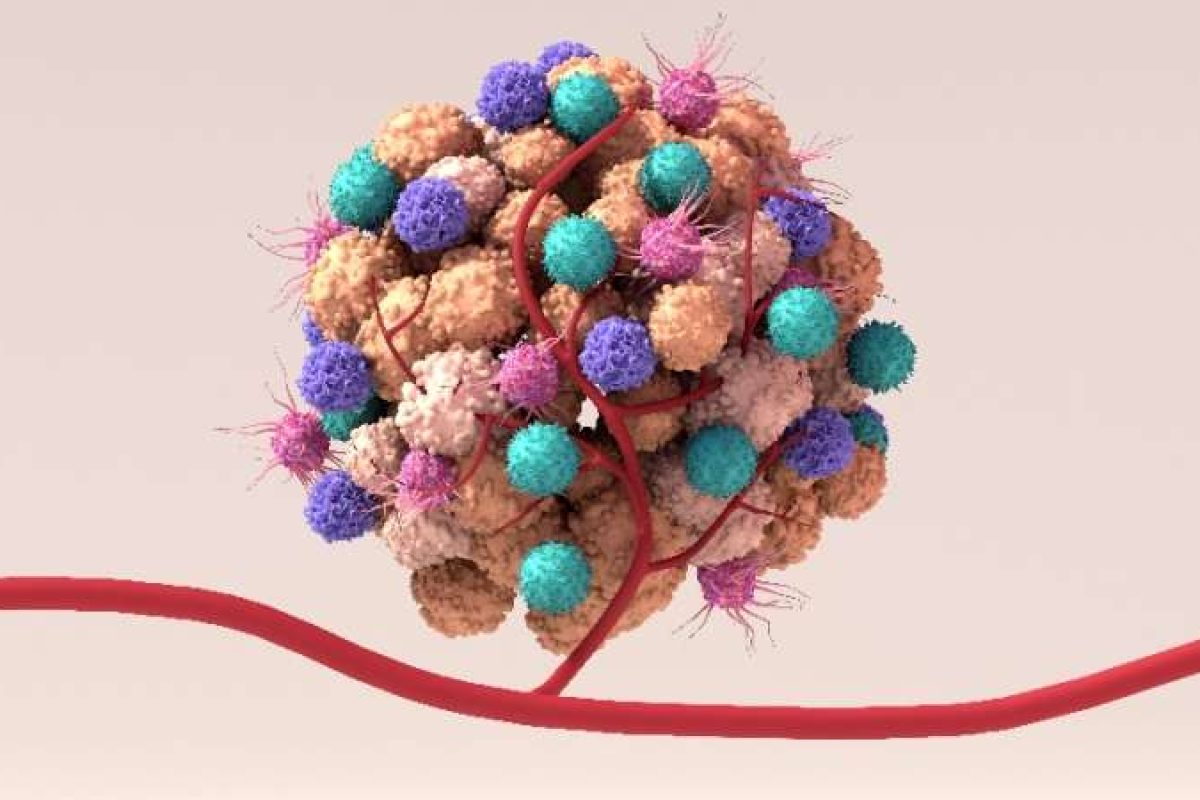
The tumour microenvironment (TME) is a piece of the cancer puzzle which, if it fits, would mean understanding the underlying mechanisms that drive cancer. Di Conza considers a key opportunity to lie in improving on standard care by inhibiting targets implicated in multiple tumour survival pathways, which will maximise anti-tumour activity while optimising safety. She says: “This could be achieved with either monotherapy or combination therapies that attack cancer cells whilst also unveiling the tumour to the immune system, changing the TME to allow drugs to access and kill the cancer cells.”
Max Herzberg, Founder, CEO and Chairperson of Vidac Pharma, comments that the abnormal metabolism common to most cancer cells has yielded few therapeutic results, despite being known for a hundred years. While targeting the TME to restore immune responses can work, he says most cancers are unresponsive to these therapies, so we need new classes of drugs. He says: “To this end, it is crucial to understand the working of the HK2 Hexokinase isozyme, which metabolises the first step of glycolysis. Many malignant tissues overexpress HK2, which clogs up the mitochondrial VDAC channels, important passageways for metabolites and ions in healthy cells. The blockage promotes glycolysis, and disables the release of molecules causing programmed cell death, or apoptosis. HK2, in other words, is a crucial enabler of cancer. Yet switching HK2 off altogether is no option, because it plays a role in healthy cells, for instance in anaerobic exercise.”
What’s next?
The clinical innovation is consistent. The technology keeps the industry pushing boundaries and utilising available opportunities and it’s no longer just an exciting but realistic prospect to consider how cancer research will change the world. There is potential and there is intent, so what follows from a regulatory, market, financial, discovery and development perspective will decide the scope of future treatments for cancer patients.
DDW Volume 25 – Issue 3, Summer 2024 – Global Cancer Research Guide – Read the Guide online
Reference:
- https://wellcome.org/reports/unlocking-potential-ai-drug-discovery
 About the author
Megan Thomas is Multimedia Editor at DDW. She has worked across a range of B2C and B2B publications, and was a digital editor at the British Medical Association. She has an undergraduate degree in Print Journalism, Film & Media and a Master’s degree in Creative Writing.