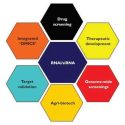
RNA interference - A technology platform for target validation, drug discovery and therapeutic development By Dr Krishnarao Appasani In the post genomic era, elucidation of the physiological function of genes has become a major rate-limiting step in the quest to develop 'gene-based-drugs'. As we advance in the 'functional omics' arena… Read More
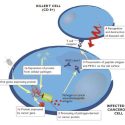
New developments in antigen-specific immunotherapies By Dr Jorg Schneider and Professor Andrew J. McMichael Novel therapeutic vaccines offer hope in the fight against chronic infectious disease and cancer. Vaccination has been used effectively for more than 200 years to protect individuals from a range of infectious diseases such as polio… Read More
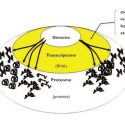
TRANSCRIPTOMICS - Realising the promise with a new era of drug discovery and diagnostics By Dr Bruce Seligmann The advent of modern genomics has provided new ways to link targets to diseases and validate these targets. The result is the potential for a new era of drug discovery transcriptomics or… Read More
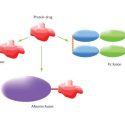
Second-Generation Protein Drugs By Dr Jeffrey C.Way The first biotech revolution was catalysed in the late 1970s with the development of recombinant DNA technology. This revolution generated numerous billion-dollar protein drugs such as erythropoietin and the interferons. Now that the patents on these drugs are expiring, will second generation proteins,… Read More
Share Share Tweet Email Stem Cell PHARMACEUTICS Stem Cell PHARMACEUTICS By Dr Gregory G. Lennon Recent research advances in the understanding of stem cell properties are inevitably leading to therapeutic strategies potentially applicable to many diseases. The pharmaceutical manipulation of multipotential cells such as stem cells is therefore now primed… Read More
Predictive chemoinformatics applications to the pharmaceutical industry By Dr Leslie J. Browne and Laurie L.Taylor While significant advances in chemoinformatics present tremendous opportunities to improve human health, the future of chemoinformatics in the pharmaceutical industry is not without significant challenges. Chemoinformatics is the result of collective advances in chemistry, biology,… Read More
The importance of using human-based models in gene and drug discovery By Dr Michael G. Palfreyman, Dr Vinod Charles and Jeffrey Blander Completion of the human genome sequence has opened an unprecedented opportunity to discover the genetic contribution to many of the complex diseases that afflict humans and to use… Read More
Monoclonal Antibodies - Magic bullets or a shot in the dark By Dr Fiona Adair It has been 16 years since the first monoclonal antibody was approved for therapy in acute transplant rejection. Now, with a further nine therapeutic monoclonal antibodies approved for use and some 16 in phase III… Read More
Obesity - The 21st century disease By Diane L. McBay and Dr Colin T. Dourish Obesity will be the leading cause of death and disability in the 21st century. This epidemic is largely attributable to increasingly sedentary lifestyles and the abundance of tasty, high-fat foods. Obesity increases the risk of… Read More
Key R&D informatics challenges facing small/medium-sized pharmaceutical and biotech companies By John Wise The ability of R&D informatics to deliver real benefit to the SME pharmaceutical company is constrained by the increasing burden of non-discretionary computer systems combined with the lack of opportunity to leverage the economies of scale enjoyed… Read More
By Dr Patrick J. Vojta, Vincent P. Kazmer and Dr Larry D. Kier Adverse drug responses are an important post-marketing public health issue, occurring many times in subsets of treatment populations. Promising new approaches to predicting physiological responses to drugs are focused on genomic responses or toxicogenomics (1). This article… Read More
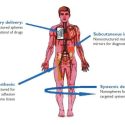
Silicon Technology and Pharmaceutics by Professor Leigh T. Canham, Dr Roghieh S. Saffie, Stephen E. Connor and Dr Roger Aston The recent discovery that, following nanostructuring, silicon can be rendered biocompatible and biodegradable has far reaching and profound long-term implications for the pharmaceutical industry and, indeed, medicine as a whole. Read More
The genomics revolution is poised to sweep aside the old economics of pharmaceutical R&D. The biotechnology and pharmaceutical industries; and perhaps healthcare delivery in general; are on the brink of transformation, and companies that embrace the revolution in the right way stand to reap enormous benefits. Developing a new drug… Read More
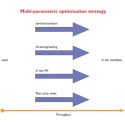
Hit to lead and lead to candidate optimisation using multi-parametric principles By Dr Anthony D. Baxter and Dr Peter M. Lockey As the numbers of potential target proteins become available for pharmaceutical companies of all sizes, the drive towards more cost-effective drug discovery assumes greater significance. It is a truism… Read More
Chemogenomics - A gene family approach to parallel drug discovery By Dr Paul R. Caron, Dr Michael D. Mullican, Dr Robert D. Mashal, Dr Keith P. Wilson, Dr Michael S. Su and Dr Mark A. Murcko Currently available drugs only target around 500 different proteins (4). Recent reports from efforts… Read More
Surrogate Endpoints In Cancer Trials By Professor Karol Sikora Over the next 20 years systematic programmes of cancer risk assessment will be established and cancer-preventive drugs will be developed. The ability to prevent cancer will dramatically increase the number of people who will need to regularly attend clinics. This article… Read More