By Dr Cliff Murray Drug Discovery The pharmaceutical industry is still struggling to cure cancer despite pouring enormous resources into the search for new treatments. We take a look at the some of the current technologies for the discovery and delivery of molecular diagnostic, prognostic and predictive tests and speculate… Read More
Protein Biomarker Immunoassays: Opportunities and Challenges By Dr M. Walid Qoronfleh and Dr Klaus Lindpaintner With the biopharma industry under heavy pressure, transforming the scientific interchange between the laboratory and the clinic is exceedingly critical. Realising the costly toll of drug attrition in late-stage development, many companies are turning to… Read More
Induced Pluripotent Stem Cells: A model for transforming drug discovery By Dr Dwight Morrow and Dr Julie Holder Induced pluripotent stem (iPS) cells have the potential to transform drug discovery by providing physiologically relevant cells for toxic compound identification, target validation, compound screening, and tool discovery. The technology for generating… Read More
New Mechanisms and Expanded Indications for Biologic Therapies: a perspective on immunology research and development By Dr Susan B. Dillon Over the past decade, the introduction of biologic therapies has had a profound impact for millions of patients with immune-mediated arthritides, inflammatory bowel diseases and plaque psoriasis. Today, five anti-Tumor… Read More
Mass Spectrometry is a mature technology predicated on a premise demonstrated almost a century ago. It is widely used in most scientific disciplines involving basic research or industrial endeavours, that require accurate and precise measurement of elemental and molecular components. More recently it has become one of the foundation technologies… Read More
High Throughput Flow Cytometry for Discovery at UNMCMD and the NIH Molecular Libraries Initiative By Dr Larry A. Sklar and Dr Bruce S. Edwards Commercial flow cytometers became widely established in research and clinical laboratories in the 1980s. Once the domain of immunologists and hematologists for cell sorting and analysis,… Read More
3D Cell Culture: Easier said than done By Dr John Comley The transition from cell culture on the flat surface of a conventional two-dimensional (2D) culture vessel to a three-dimensional (3D) environment, matrix or scaffold with 3D architecture has begun, and is providing much needed support for emerging applications in… Read More
Personalised Medicine Market and Regulatory Landscape By Dr Enal Razvi and Dr Patricia Hurley Over the past several years, there has been continuing interest in the deployment of personalised medicine via the development of companion diagnostics/therapeutics. The leading edge of this discipline is in the cancer personalised medicine arena where… Read More
Overview of Companion Diagnostics in the Pharmaceutical Industry Part 2: Business models. By Dr Stephen Naylor and Toby Cole There is an emerging consensus that the development of Companion Diagnostics appears to offer a set of tools to address many of the current problems that pharmaceutical companies must overcome. This in… Read More
Stem Cells for Cellular Therapy Space By Dr Enal S. Razvi and Dr Gary M. Oosta This article explores the emerging market landscape vis--vis the use of stem cells as cellular therapeutics. For more than 40 years, hematopoietic stem cells have been utilised as cellular therapeutics in a number of… Read More
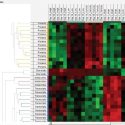
Towards Unbiased Biomarker Discovery Dr Jens Hoefkens High-throughput molecular profiling technologies are routinely applied for biomarker discovery to make the drug discovery process more efficient and enable personalised medicine. The ability to find novel biomarkers rests on large-scale data generation and unbiased data analysis. Over the past decade, biomarker discovery… Read More
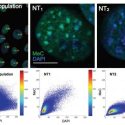
Utilising 3D nuclear DNA methylation patterns in cell-based assays for epigenetic drug screening By Professor Jian Tajbakhsh, Professor Arkadiusz Gertych and Professor Daniel L Farkas Since epigenetic changes are thought to underlie a wide range of complex diseases, the scope of epigenetic drug therapy is likely to expand, as epigenetic… Read More
By Dr Stephen Naylor and Toby Cole In this article we describe the current state of Companion Diagnostics and its impact on the pharmaceutical sector, and the need for Companion Diagnostics in the drug discovery and development process. This perspective is augmented by a consideration of the development of Companion… Read More
Free Online Resources Enabling Crowd-Sourced Drug Discovery By Dr Antony J. Williams, Valery Tkachenko, Dr Chris Lipinski, Professor Alexander Tropsha and Dr Sean Ekins The availability of freely accessible online resources to enable and support drug discovery has blossomed in recent years. The PubChem platform is now accompanied by a… Read More
Maximising the impact of technologies on drug discovery through portfolio management By Charles S. Dormer, Dr Mark Beggs, Dr Lynn Brennan and Roanna London The opportunities to invest in new technologies in drug discovery are broad and extensive. Knowing where to place your investment and ensuring return on these investments… Read More
Predictive tests and personalised medicine By Dr Eddie Blair Acceptance of the personalised medicines paradigm is strictly dependent on this approach clearly benefiting patients with minimal effects on the actual delivery of healthcare. The use of molecular diagnostics to predict how an individual will respond to a particular medicine, in… Read More