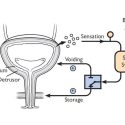
Urinary troubles for more than the ageing By Dr Anthony PDW Ford The needs of younger incontinence sufferers coupled with the ageing of the baby-boomer population portend a big boost in demand for effective and well tolerated new medicines for lower urinary-tract dysfunction. This market is under-served today, presenting a… Read More
Biotechnology-based Orphan Drugs - Achievements and challenges By Dr Erik Tambuyzer For many patients suffering from rare diseases, there are simply no medicines available to treat their condition. With an estimated 20-30 million such patients in Europe alone, rare diseases collectively represent a significant unmet medical need. Individual disease groups,… Read More
The Industrial Evolution of Screening Infrastructure By Chris Molloy Industrialisation of screening depends upon the use of a stable,mature infrastructure. According to a recent Boston Consulting Group report, a pharmaceutical company needs to spend 900 million ($810 million) on R&D to bring a product to market. This is almost three… Read More
Synthetic approaches to rational drug design - A changing landscape By Dr Shubh Sharma and Dr Carl Spana It is becoming clearer that newer synthetic approaches for rational drug design may hold the promise of taking us closer to industrialising drug discovery while, at the same time, overcoming the bottleneck… Read More
ASSAY INTERFERENCE - A limiting factor in HTS? By Dr John Comley With current HTS focused on better quality hits, the necessity to differentiate between true and false results puts increasing emphasis on the robustness of the assay technology. This article explores the common causes of assay interference, the effect… Read More
The cost and value of three-dimensional protein structure By Professor Raymond C. Stevens During the past few years we have seen the cost of protein three-dimensional structure determination begin to converge by protein family type, there has been a commoditisation of high-throughput structure based drug discovery technology components, and the… Read More
High Throughput Screening using G-protein coupled receptors as the target plate-based and biochromatographic technologies By Professor Irving W.Wainer, Dr Farideh Beigi and Dr Ruin Moaddel The G-protein coupled receptor (GPCR) family constitutes the largest class of cell surface receptors and GPCRs are the targets for more than 50% of the… Read More
Molecular pathology and the art of drug design By Dr Keith McCullagh The current explosion of interest in sophisticated genomic technologies, computerised robotics and high throughput screening of diverse molecular libraries appears to have been associated with a reduction in research productivity in recent years, as judged by the rate… Read More
New developments in antigen-specific immunotherapies By Dr Jorg Schneider and Professor Andrew J. McMichael Novel therapeutic vaccines offer hope in the fight against chronic infectious disease and cancer. Vaccination has been used effectively for more than 200 years to protect individuals from a range of infectious diseases such as polio… Read More
Functional proteomics in drug discovery By Dr Stefan W. Henning and Dr Leodevico L. Ilag The critical bottleneck of the drug discovery process is developing the right drug for the right target. Today proteins represent more than 90% of druggable targets and will most likely remain the single most important… Read More
In Silico Structure-based Drug Design - Shifting the bottleneck? By Dr Jonathan Heal Drug Discovery The use of in silico methods in drug design has grown significantly in popularity over the past couple of years. Indeed many pharma companies have already adopted some type of virtual screening capability to complement… Read More
Surface Plasmon Resonance's impact on drug discovery - resolution, throughput and versatility By Dr David G. Myszka and Dr Rebecca L. Rich Surface plasmon resonance (SPR) biosensors have rapidly become a standard tool within the pharmaceutical and biotechnology industries. Label-free, real-time measurements are the calling card for this technology, which… Read More
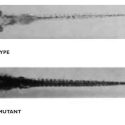
The role of ZEBRAFISH in drug discovery By Dr Paul Goldsmith and Roberto Solari The NIH has ranked the Zebrafish as the third most important experimental organism after man, the Sanger Centre is sequencing the genome and many medical researchers are shifting over to it. But will the zebrafish have… Read More
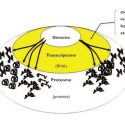
TRANSCRIPTOMICS - Realising the promise with a new era of drug discovery and diagnostics By Dr Bruce Seligmann The advent of modern genomics has provided new ways to link targets to diseases and validate these targets. The result is the potential for a new era of drug discovery transcriptomics or… Read More
A business model for sustainable, strategic relationships By Dr Douglas J. Squires and Dr James E. McClurg Historically relationships between CROs and pharmaceutical and biotech companies, and the results of these relationships, have not met shared expectations for strategic value exchange. This article presents a business model for achieving a… Read More
The transition from scientist to business manager in a biotech/drug discovery start-up By Dr Paul Charlton The move from a successful scientific career into senior management of a high technology start-up company frequently presents a paradigm shift for the individual in the way that they must manage both themselves and… Read More