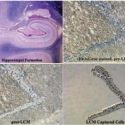
The importance of using human-based models in gene and drug discovery By Dr Michael G. Palfreyman, Dr Vinod Charles and Jeffrey Blander Completion of the human genome sequence has opened an unprecedented opportunity to discover the genetic contribution to many of the complex diseases that afflict humans and… Read More
SNP Genotyping in Drug Development By Dr Nicholas C. Dracopoli and Dr Kim E. Zerba SNP-based candidate gene analyses are likely to have a significant impact on predicting drug efficacy and will, undoubtedly, impact on the pharmaceutical industry’s development strategies as a whole over the next few years. Read More
High throughput genomics and drug discovery – parallel universes or a continuum? By Dr Mark Beggs and Audrey Long HTS has been in place for approximately 10-12 years and has achieved a threeorder of magnitude scale up. Genomics has been in a ‘high throughput’ mode for approximately four… Read More
By Dr Mark L. Nelson Less than a hundred years ago, if you developed a microbial infection your immune system couldnt handle, you died. Then came the wonder drugs, antibiotics capable of fighting the infections for you. But times have changed. Read More
Chemical microarrays – The drug discovery superhighway By Elaine Seeskin While producing targets was once the bottleneck in the drug discovery process, in the post-genomic era this has been superseded by the requirement for high-quality lead structures. As a result of the pool… Read More
Business strategy for implementation of biomarkers in drug development By Miles Flamenbaum With pharmacoproteomic biomarkers being the subject of focus among regulatory agencies as well as research institutions, many pharmaceutical companies are increasing their interest and investment in biomarker strategies. This article discusses… Read More
By Dr Patrick J. Vojta, Vincent P. Kazmer and Dr Larry D. Kier Adverse drug responses are an important post-marketing public health issue, occurring many times in subsets of treatment populations. Promising new approaches to predicting physiological responses to drugs are focused on genomic responses… Read More
The genomics revolution is poised to sweep aside the old economics of pharmaceutical R&D. The biotechnology and pharmaceutical industries; and perhaps healthcare delivery in general; are on the brink of transformation, and companies that embrace the revolution in the right way stand to reap enormous benefits. Read More
Chemogenomics – A gene family approach to parallel drug discovery By Dr Paul R. Caron, Dr Michael D. Mullican, Dr Robert D. Mashal, Dr Keith P. Wilson, Dr Michael S. Su and Dr Mark A. Murcko Currently available drugs only target around 500 different proteins (4). Recent… Read More
The lab on a chip and its impact on drug discovery by Dr Simon Cowen and Dr Coulton Legge Few technology developments have had as profound an effect on society as the invention of the microchip integrated circuit in the 1960s. Since then, the power of electronic circuits… Read More
The Impact of Genomics on Regulation By Dr Steve Arlington, Dr Tim Peakman, Adriana Salvatore and Jonathan Peachey Advances in science and technology are enabling us to understand physiology and pathology at a totally new level; to define, subtype and track diseases much more accurately; and to treat… Read More
Surrogate Endpoints In Cancer Trials By Professor Karol Sikora Over the next 20 years systematic programmes of cancer risk assessment will be established and cancer-preventive drugs will be developed. The ability to prevent cancer will dramatically increase the number of people who will need to regularly attend clinics. Read More
Protein Arrays – New technology for the proteomics era By Dr Jeffrey P. Kiplinger The study of the human proteome will drive drug discovery in coming years; although how, when, and in what direction are a little uncertain at present. To build understanding of the role of the… Read More
Outsourcing life science informatics solutions By Dr Steve Gardner The life science industry depends on information gathered from new technologies for productivity and competitive advantage in the R&D process. As more information is gathered and the systems become more complex, building and maintaining data management solutions that… Read More
By Professor Klaus Lindpaintner Pharmacogenetics represents a logical and consequent step in the history of medicine, but what are the immediate benefits and where do the hurdles lie in its implementation? It is common knowledge that today’s pharmacopea – in as much… Read More
By Dr Doros Platika As the population ages, the scientific and medical communities are working to solve the challenges this changing demographic will place on society. Companies involved in the promising field of regenerative medicine are now on the cutting edge as it strives to… Read More