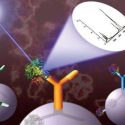
By Dr Nikolai Schwabe and Katherine Catchpole T cells play a crucial role in building a specialised immune response and help adapt the immune response to different challenges, whether they are intracellular bacteria, viruses or cancer or extracellular organisms such as blood-borne bacteria and parasites. One of the most fundamental… Read More
Cell Migration: Probing Cell Movement With Smarter Tools By Dr John Comley Cell migration comprises the movement of cells from one location to another in response to events, biological signals or environmental cues. Cell migration plays a critical role in numerous normal biological processes and also in many diseases. Most… Read More
Transforming Data Into Better Healthcare By Dr Jens Hoefkens The healthcare industry is drowning in data for which it lacks established data analysis processes. This situation exists despite the fact that appropriate and efficient data analysis processes are keys to better decision-making and enhanced healthcare therapies, which can potentially result… Read More
Induced pluripotent stem cells in high-throughput cellular screening By Dr Carolyn E. Peluso With the failure rates of drug candidates continuing to present phenomenal costs to the pharmaceutical industry, this article discusses how newly emerging induced pluripotent stem cell (iPSC) technologies have the potential to be an effective tool in… Read More
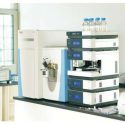
Metabolomics: Analytic Methods Driving Exponential Understanding By Dr Ian D. Jardine Metabolomics is distinct from genomics and proteomics in several significant respects. Where genes and proteins are unique to specific organisms, metabolites are ubiquitous throughout the plant and animal kingdoms. Compared with proteomics and genomics, which quantify the building blocks… Read More
Biological Expression Language (BEL): Ringing In A Common Language For The Life Sciences By Ted Slater and Dr Diane H. Song Established fields of study preserve their history and support advancement by developing and using a common language, without which those fields could not progress at a reasonable pace. The… Read More
Epigenetics: Are We Hitting The Mark? By Dr Andrew J. Pope and Dr Amy M. Quinn During the last few years, advances in the understanding of epigenetic processes have led to an explosion in interest in this area as a potential source of new targets for the discovery of medicines. Read More
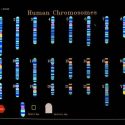
Editing the Human Genome: Role in Functional Genomics and Translational Medicine By Dr Chris Torrance and Eric Rhodes It is now readily accepted that we are in a post genomic era. With the steady flow of genomic information available to researchers worldwide, the focus turns to ways to analyse this… Read More
New Tools Increase Accessibility to High Content Screening Assays By Dr John Comley There have been major improvements in the instrument offerings and tools that enable high content screening (HCS) over the past decade. In this review we examine the status of high content screening assays today; the motivation to… Read More
Ubiquitination, E3 Ligases and Drug Discovery - Novel technologies for a challenging pathway By Dr Neil Wilkie and Dr Steve Davies Does ubiquitin drug discovery provide the opportunity for a new class of therapeutic agents? This article argues that new technological advances are removing many of the barriers that have… Read More
Stem Cells: Cell-Based Assays and the World of Small Molecules By Dr Christina N. Ramirez, Dr Dana C. Duré and Dr Hakim Djaballah Stem cells remain a hot topic in academia and industry alike, and with the potential to cause a paradigm shift where many believe in their ability to… Read More
By Dr Jeffrey Dage and Dr Kalpana Merchant While the jury is still out in terms of iPS cell technology and its ability to deliver a regenerative therapy or, indeed, contribute to the development of a clinical molecule, this paper argues that the progress by which this technology has been… Read More
The Information Symphony: Data orchestration for a changing industry managing data on a platform for innovation. By Chris Molloy A leading ballet conductor (1) recently told me of courses which he runs for senior business leaders. He allows them to conduct an orchestra: first, very strictly, with close direction applied… Read More
Pathway Analysis - Understanding the bridge between environmental cues and cellular response By Dr John Comley Understanding the function of a protein in the context of normal and abnormal cellular processes requires a comprehensive knowledge not only of its regulation but also of its role in signalling and metabolic networks… Read More
Biological Analysis and Interpretation For Improved Research Outcomes By Dr Douglas Bassett In the last few years, technological advancements in the life sciences have changed many ways in which we think about research. Next-generation sequencing, qPCR and microRNA offer new avenues to ask and answer research questions in more detail… Read More
Share Share Tweet Email Stem Cell Banks: Investing in the promise of cancer stem cell science Stem Cell Banks: Investing in the promise of cancer stem cell science By Madeline Page and Rosario Isasi The national and international demand for stem cell lines of varying origins (eg human embryonic, induced… Read More