Dispense and Imaging Assays – Moving towards a more balanced use of both fluorescence and flash luminescent readouts By Dr John Comley Progress towards the uptake and adoption of flash luminescence readouts in screening were the subject of HTStec’s recent Dispense & Imaging (D&I) Trends 2007 report. The… Read More
Progress in Systems-Based Analysis of Cellular Signalling By Dr Jeffrey A. Radding Drug discovery currently focuses on targeted approaches, relying on validation of the target as a disease driver. However, the underlying biological complexity of disease often frustrates these attempts at therapeutic intervention, resulting in high failure… Read More
Needs and challenges in High Throughput Screening By William Downey, Dr Helen Nicely and Dr Lynne Sopchak High throughput screening (HTS) groups face similar challenges as the pharmaceutical and biotechnology industry as a whole faces. HTS groups are looking for ways to improve effectiveness in lead discovery,… Read More
Microplate Mixing – Bioassay panacea or of unproven distraction? By Dr John Comley Despite general awareness of the significance of microplate mixing, it is still a relatively low priority in most laboratories. Microplate mixing has largely been ignored as a serious problem, although potentially it could undermine… Read More
Human ES Cell Derived Functional Cells as Tools in Drug Discovery By Dr Petter Bjorquist, Dr Peter Sartipy, Dr Raimund Strehl and Dr Johan Hyllner The drug discovery process is extremely-time consuming and expensive. Consequently, novel approaches for these processes and for reducing late-stage attrition are of great… Read More
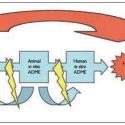
Perspectives for ADMET Integration in the Discovery Process By Dr Constance Hofer ADMET (ADME/Tox), is a relatively new symbiotic acronym for the investigation of basic compound behaviour in terms of absorption, distribution, metabolism and excretion, combined with assessments of toxicity. The emergence of… Read More
The Role of Thorough QT Testing in Managing Drug Development By Dr William S. Wheeler With few exceptions, all compounds being submitted to the Food and Drug Administration (FDA) for approval in the United States will require an assessment of QT prolongation, either by a standard Thorough QT/QTc… Read More
Opportunities in Gastroenterology By Dirk Reyn Despite being one of the world’s largest therapeutic areas and presenting huge burdens to healthcare and economies globally, many of the diseases of the gastrointestinal (GI) tract are not well understood and less than optimally treated. This article… Read More
21st Century Vaccines – A Development Renaissance By Dr Jeff Stoddard, Charles Drucker and Dr Nigel Brown Human beings have benefited from vaccines for more than two centuries. From eradicating some of the deadliest diseases to nearly eliminating a host of others, including polio, measles, mumps and tetanus… Read More
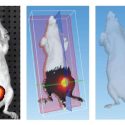
How Non-invasive Visible Light Imaging Can Change Drug Discovery Dr Peter Lassota and Dr Anjani Shah In the past decade, non-invasive visible light imaging gained acceptance not only as a valuable research tool, but also as a means of evaluating new compounds for efficacy and pharmacodynamic properties in… Read More
Challenges and opportunities for the greening of separation science in the pharmaceutical industry Dr Christopher J. Welch Opportunities for reducing solvent consumption and waste generation in separation sciences used to support industrial pharmaceutical discovery and development are presented and discussed in this article. Several approaches are… Read More
Monochromator vs Filter-based Plate Readers By Dr John Comley This article is based around feedback obtained in HTStec’s recent Multi-Mode Microplate Reader Trends 2007 Report. It highlights findings on what influences reader choice, current use of different plate reader detection modalities, main target… Read More
Industry Strategies on Theranostics: Need for structural alignment Dr Rutger O. van Merkerk and Dr Wouter P.C. Boon Theranostics is said to change the way patients will manage their disease. Such a change assumes that diagnostics and therapeutics become increasingly linked based on genetic information. Companies that… Read More
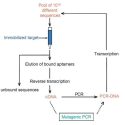
The Power of APTAMERS in the Drug Discovery Process Professor Michael Famulok Methods of combinatorial biochemistry allow the identification of nucleic acid sequences, or aptamers, which can bind their target molecules with high affinity and specificity and are able to efficiently inhibit their biological function. Macugen,… Read More
The Deming Approach to Quality In Pharmaceutical Research By John H. Van Drie We explore the relevance to pharmaceutical research of the ideas of W. Edwards Deming, the statistician whose ideas on quality transformed the manufacturing sector of post-war Japan. To enhance productivity in… Read More
Technology, Bane or Bonanza for the Pharmaceutical industry? By Dr Stephen Naylor, Adam W. Culbertson and Dr Stephen J. Valentine Productivity in the pharmaceutical industry has long held well-documented concerns. While the adoption of new technologies into the drug discovery and development… Read More