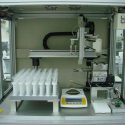
Automation Of Solid/Powder Dispensing: Much needed, but cautiously used! By Dr John Comley This article investigates solid/powder dispensing in pharma and biotech, examines where it is most used, whether there exists a need to apply automation and what is motivating its wider use today. It reveals how concerns over problematic… Read More
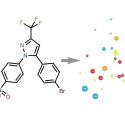
Overcoming the Limitations of Chemical Structure By Dr Andy Vinter, Dr Steve Gardner and Dr Sally Rose The pharmaceutical business has been profoundly hampered by a ubiquitous and unexpected obstacles; the way it draws its chemical compounds. Scientists, patent agents and business decision makers from R&D, safety, and in-licensing are… Read More
Recent Technology Advances Transforming Pharmaceutical Drug Discovery and Development By Dr Coiln Brenan, and Dr Bill LaMarr The last decade has seen rapid technological progress but with increasing demands for safe and efficacious drugs, technological solutions that reduce the barriers to clinical success will be of more interest than those… Read More
Letting the Target Determine your Compound Acquisition Strategy By Dr John Harris With compound libraries likely to remain the cornerstone of hit and lead discovery for the foreseeable future, this paper seeks to summarise current and future approaches to optimal library design and compound acquisition, using examples and experimental evidence… Read More
Predicting Transporter-mediated Drug-drug Interactions Based on in Vitro Cell Permeability Assays By Dr Chris Bode Drugs may fail in clinical development or post-marketing for a variety of reasons: they may simply not be as effective as anticipated; poor pharmacokinetic properties may prevent them from reaching their intended target in therapeutic… Read More
qPCR Assays - End user practices and latest vendor offerings By Dr John Comley This review provides an insight into real-time quantitative PCR (qPCR) assays today. Using end-user feedback it investigates interest in the targets for qPCR applications; primary application areas for qPCR analyses; the importance of emerging applications; how… Read More
High Throughput Screening in Academia - Drug discovery initiatives at the University of Kansas By Dr P McDonald, Dr Roy, Byron Taylor, Ashleigh Price, Dr Sittampalam, Dr Scott Weir, Dr Chaguturu Academia has historically been involved in exploring the fundamental aspects of the disease targets and in developing tool molecules… Read More
Growing Interest in Outsourcing Ion Channel Services By Dr John Comley Summer 2008 Significant demand now exists in Pharma and Biotech to access ion channel testing services and this is reflected by the number and the variety of service offerings. In the highly competitive area of cardiac safety hERG testing… Read More
Progress in the Implementation of Label-Free Detection - Cell-based assays By Dr John Comley Progress made in the use of impedance and optical grating technologies for label-free detection of cell-based assays where examined in HTStec's recent Cell-Based Label-Free Detection Trends report. Uniquely all of these label-free offerings are plate-based and… Read More
Integrating HTS and Fragment-based Drug Discovery By Dr John Barker, Dr Thomas Hesterkamp and Dr Mark Whittaker High-Throughput Screening and Fragment Based Drug Discovery have been considered as alternative approaches to drug discovery for enzyme targets. HTS tends to be a rather quick way of identifying potent chemical matter with… Read More
The Importance of Liquid Handling Quality Assurance in Drug Discovery By Dr Nathaniel G Hentz The tug-of-war between quality and productivity is an issue facing all drug discovery companies, competing in a fierce race to bring breakthrough drugs to market before the competition. With the advance of laboratory automation… Read More
Microplate Mixing - Bioassay panacea or of unproven distraction? By Dr John Comley Despite general awareness of the significance of microplate mixing, it is still a relatively low priority in most laboratories. Microplate mixing has largely been ignored as a serious problem, although potentially it could undermine the generation of… Read More
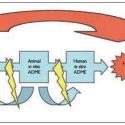
Perspectives for ADMET Integration in the Discovery Process By Dr Constance Hofer ADMET (ADME/Tox), is a relatively new symbiotic acronym for the investigation of basic compound behaviour in terms of absorption, distribution, metabolism and excretion, combined with assessments of toxicity. The emergence of ADMET instead of ADME reflects the growing… Read More
The Deming Approach to Quality In Pharmaceutical Research By John H. Van Drie We explore the relevance to pharmaceutical research of the ideas of W. Edwards Deming, the statistician whose ideas on quality transformed the manufacturing sector of post-war Japan. To enhance productivity in pharmaceutical research, we have tended to… Read More
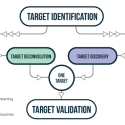
Tools for Target Identification, Validation and Biomarker Discovery By Dr Paul Denny-Gouldson As automation in the drug discovery arena increases then so does the amount and complexity of the data. We discuss an emerging solution that now integrates various technologies to provide a scientific data intelligence tool giving scientists increasing… Read More
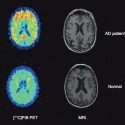
By Dr Jean-Luc Vanderheyden As the experience and advances in Positron Emission Tomography (PET) imaging grows, so does the belief that this technology can have a key role to play in ushering in an era of personalised medicine while also offering an enormous contribution in reducing the attrition rates in… Read More