
Structural advances in multidrug-resistant Acinetobacter baumannii
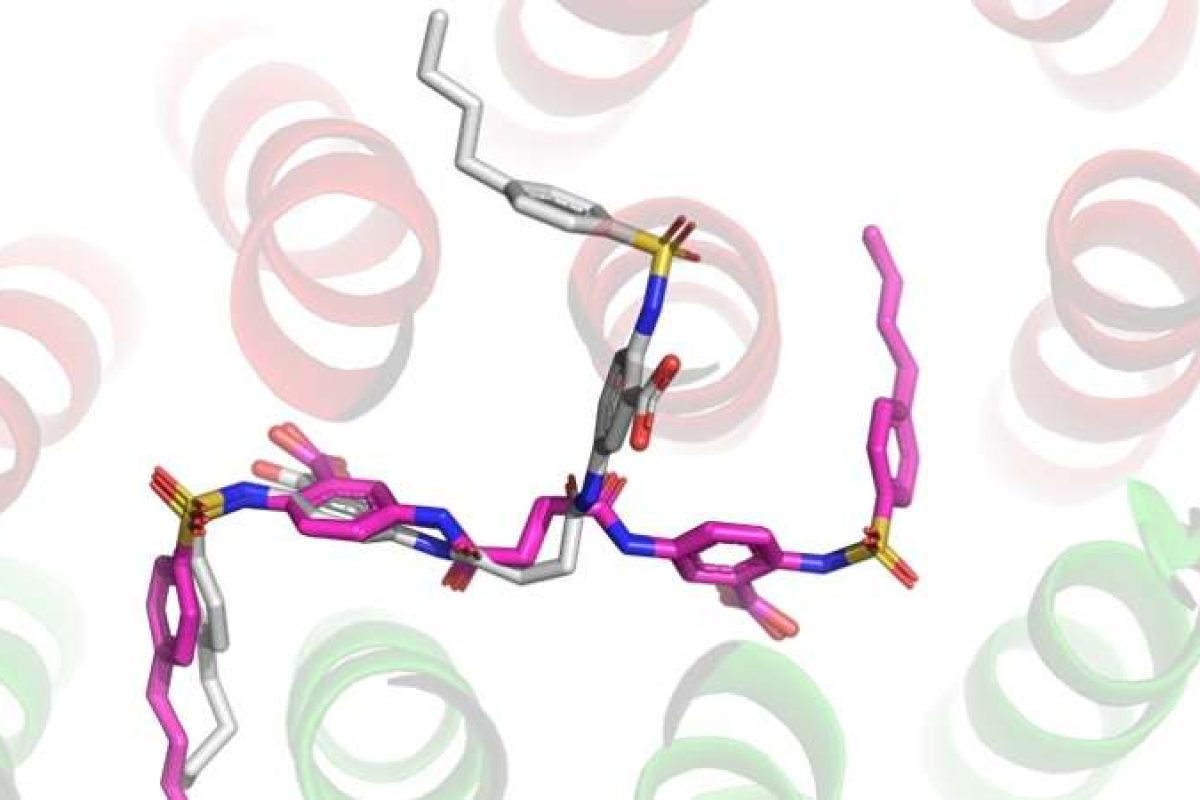
In a recent DDW event, sponsored by Thermo Fisher Scientific, Daniel J Klein, Senior Director of Protein and Structural Chemistry at Merck and Co discussed the current advancements taking place in antibiotic drug discovery.
Klein spoke about how structural biology tools such as cryoelectron microscopy and X-ray crystallography are being used to impact the discovery and advancement of a novel class of antibacterials which target an essential lipopolysaccharide transporter called MsbA, within the context of tackling multidrug-resistant Acinetobacter baumannii.
Klein began the webinar discussing the scale of antimicrobial resistance describing how it represents a potential threat to patients, particularly those with compromised immune systems. Klein referenced how data from the World Health Organization (WHO) shows that over a million deaths are now attributed to antibiotic resistant bacterial infections. “And if we project longer term, it actually is fairly sobering to see that if action isn’t taken to help address this global issue, antimicrobial resistance could cause as many as 10 million deaths per year in just a few decades,” Klein said.
Of greatest concern are gram negative bacteria, with Acinetobacter baumannii being one of the top three antibiotic resistant priority pathogens listed by the WHO. Klein spoke about how over the last several years, Merck has embarked on a drug discovery effort to identify novel starting points for therapeutics that target Acinetobacter baumannii.
Merck used a target agnostic approach that relied on phenotypic screening to find growth inhibitors of Acinetobacter baumannii. That screening resulted in a number of promising compounds which the company was then able to progress to discovery candidates.
After relying on microbial genetics to better understand how the compounds were working, the team was able to discover that mutations in the MsbA gene resulted in resistance in Acinetobacter strains, which suggest that the MsbA transporter protein was the molecular target of their molecules. The team then had to understand if its molecules were acting as inhibitors or activators of ATP hydrolysis or whether they were influencing the lipid flipping activity of MsbA.
Klein explained in the webinar how the team used a recombinant E coli expression system to produce high-quality protein of Acinetobacter baumannii MsbA for biochemistry and structural studies. Once purified, this meant the team could begin pharmacological studies which confirmed that its molecules were stimulators of ATP hydrolysis and were most likely acting through a site that gives rise to resistance. “This was a very important observation for us to formulate our structural strategy and focus on formulations that were in lipidic environments where we knew the MsbA protein was active,” Klein explained.
Later in the webinar Klein spoke about how Merck used high resolution structural studies to understand exactly how its compounds were binding to MsbA, for which the team used cryoelectron microscopy to inform its research. Overall, Merck’s studies relied on X-ray crystallography and cryoelectron microscopy to enable the team to put together the structural and chemical information required to show how its molecule was able to bind to both MsbA and human serum albumin. “Taken together this really gave the team an inspiring result that showed that we could achieve proof of concept with these series.”
From DDW Volume 26 – Issue 1, Winter 2024/25 Read the digital issue