
Phase I trial shows 90% disease control in salivary gland cancers
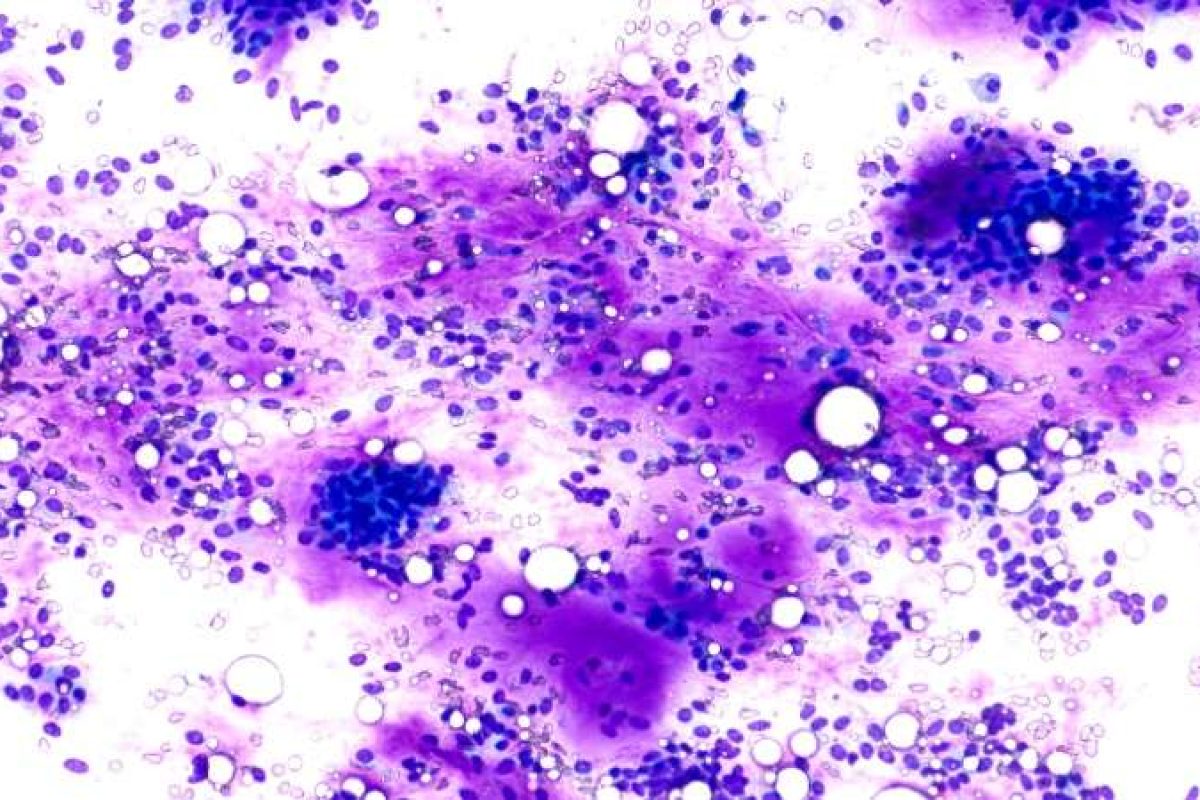
Avacta Therapeutics has announced new data in patients with salivary gland cancer (SGC) enrolled in the ongoing Phase Ib trial of faridoxorubicin (AVA6000).
The data show confirmed partial and minor responses, consistent with data previously reported from the Phase Ia part of the study.
Faridoxorubicin is the first peptide drug conjugate (PDC) in Avacta’s pipeline. It consists of doxorubicin conjugated with Avacta’s pre|CISION peptide and is specifically cleaved (released) by fibroblast activation protein-alpha (FAP), which is over-expressed in the tumour microenvironment, enabling targeted release of the doxorubicin payload.
SGC is a disease that does not respond to chemotherapy, has no standard therapy defined in the metastatic setting and a five-year survival rate of approximately 42% in advanced stage disease.
Avacta’s recent data demonstrate continued robust and meaningful tumour shrinkage in patients with SGCs and a combined disease control rate of 90% across Phase Ia and Phase Ib patients.
Based on the preliminary favourable efficacy and safety data observed in the Phase Ib cohort in this part of the trial, enrolment will continue in this cohort with further data updates across the Phase Ia and Phase Ib cohorts expected in 1H 2026.
Dr Christina Coughlin, CEO of Avacta, commented: “SGC cancer is a devastating disease with no established standard of care treatment options. The clinically meaningful tumour shrinkage and prolonged progression free survival we have observed in the study highlight faridoxorubicin’s potential as an important new treatment option for patients with SGC and other solid tumours. The Phase Ib data will mature as we continue to collect the survival data in this cohort.
Of the 30 patients with SGC treated at the dose of 250mg/m2 and above and evaluable for efficacy, nine experienced clinically meaningful disease shrinkage, including two confirmed partial responses and seven minor responses using RECISTv1.1 criteria.
Diana Turner, Deputy Editor, DDW