
Novel molecular glue degrader therapy reaches first patients
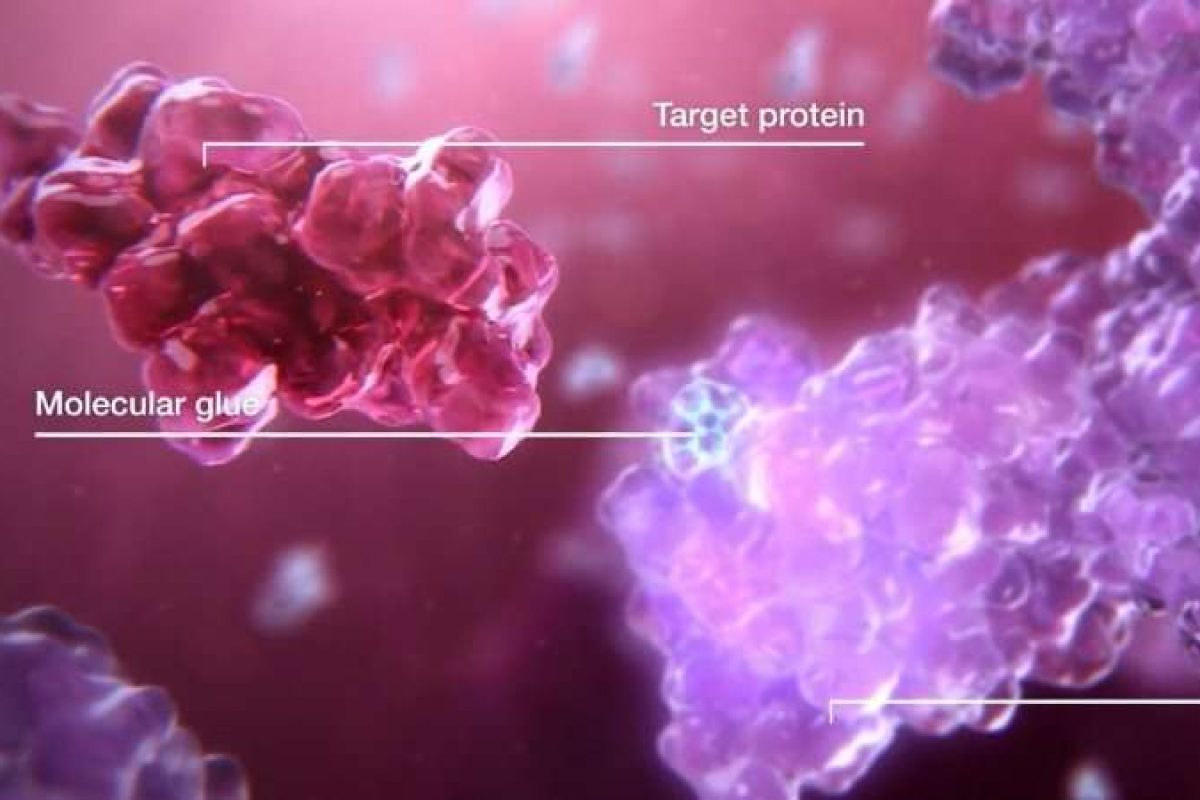
Neomorph has commenced a Phase I/II clinical trial evaluating NEO-811, a novel investigational molecular glue degrader, in patients with locally advanced or metastatic non-resectable clear cell renal cell carcinoma (ccRCC).
NEO-811 is an investigational molecular glue degrader designed to induce targeted degradation of a key disease-driving protein and fully block a central signalling pathway implicated in ccRCC.
By leveraging a differentiated degradation mechanism, NEO-811 has the potential to address underlying tumour biology that remains inadequately treated with current standards of care.
“Dosing the first patient in our Phase I/II trial of NEO-811 in renal cell carcinoma marks a pivotal inflection point for Neomorph, representing the first clinical evaluation of an asset from our internally developed pipeline,” said Phil Chamberlain, Co-Founder, President, and Chief Executive Officer of Neomorph. “As we advance in the clinic, we look forward to generating data that will inform the continued development of NEO-811 and further validate the potential of our platform to deliver differentiated medicines for patients with significant unmet need.”
The NEO-811-101 trial is a first-in-human, open-label study consisting of a single agent dose-escalation phase followed by dose expansion cohorts. The study is designed to evaluate the safety, tolerability, pharmacokinetics, and preliminary anti-tumour activity of NEO-811 in patients.
“We are pleased to have the first patient dosed in the Phase I/II study of NEO-811,” said Toni Choueiri, Director of the Lank Center for Genitourinary Oncology at Dana-Farber Cancer Institute, Professor of Medicine at Harvard Medical School, and chair of the study steering committee. “NEO-811 is a novel, potent, cereblon-dependent, and selective molecular glue degrader designed to fully block a key signalling pathway in clear cell renal cell cancer. The unique mechanism of action of NEO-811 is quite promising and could offer a new treatment option for patients.”