
Gene therapy halts progression of rare genetic condition
The findings from a single-patient gene therapy trial in Canada show promise in halting the progression of spastic paraplegia type 50 (SPG50).
SPG50 is an ultra-rare progressive neurodegenerative disorder that causes developmental delays, speech impairment, seizures, progressive paralysis of all four limbs, and is typically fatal by adulthood. Approximately 80 children around the world are affected by the condition.
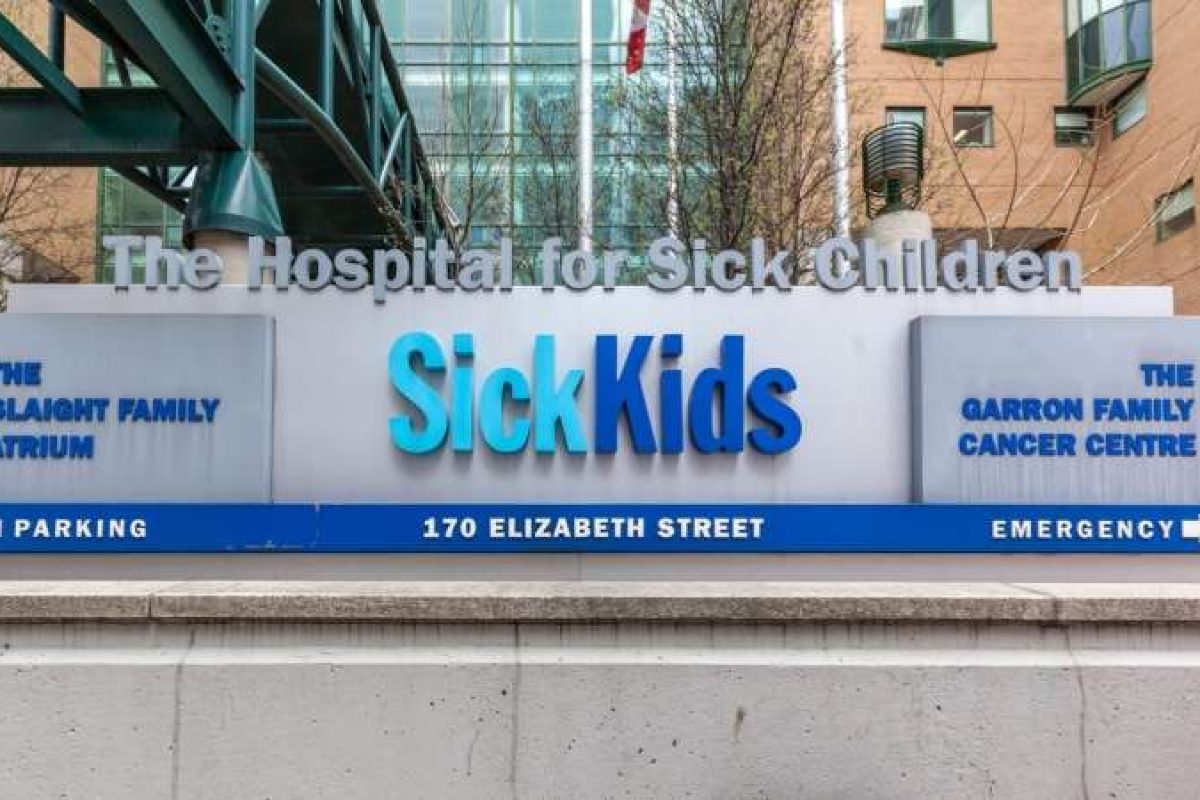
In March 2022, a clinical research team at the Hospital for Sick Children (SickKids) in Toronto, Canada, administered a first single-patient gene therapy to patient Michael Pirovolakis less than three years after his initial diagnosis.
The results of the groundbreaking clinical trial have been published in Nature Medicine.
Through a multicentre collaboration, an adeno-associated virus-based gene therapy product carrying the AP4M1 gene was created and administered intrathecally to the four-year-old patient.
At 12 months after dosing, the therapy was well tolerated. No serious adverse events were observed, with minor events, including transient neutropenia and Clostridioides difficile gastroenteritis, experienced but resolved.
Preliminary efficacy measures suggest a stabilisation of the disease course, however, longer follow-up is needed to confirm the safety and provide additional insights on the efficacy of the therapy.
The results highlight how gene therapy can be developed quickly and personalised for individual patients with rare genetic conditions.
Dr Jim Dowling, Staff Physician in the Division of Neurology and Senior Scientist in the Genetics & Genome Biology program at SickKids, said: “There are over 10,000 individual rare diseases and most are without therapy. We are providing a blueprint that, with adequate funding and support, has the potential to change the lives of patients with rare diseases and create a future where every child can benefit from precision medicine.”
Diana Spencer, Senior Digital Content Editor, DDW