
Researchers challenge NIH screening of scientific research grants
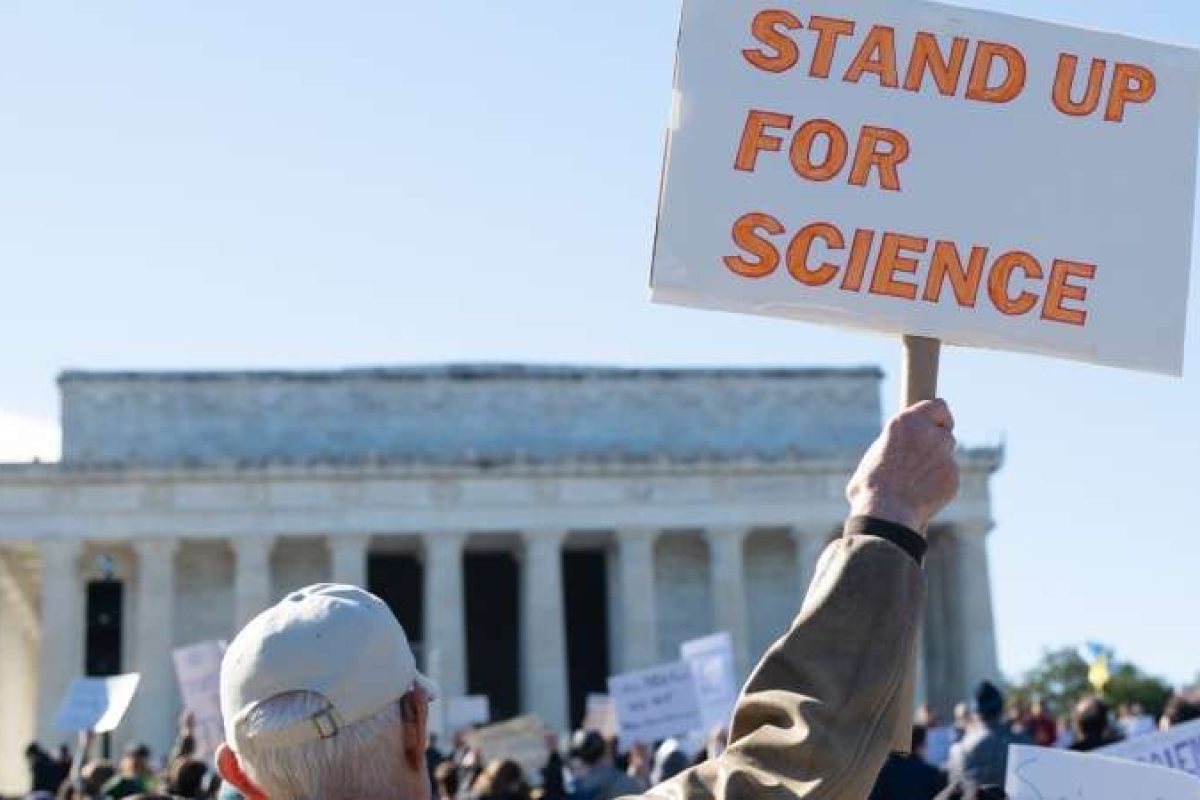
US researchers have filed a class action lawsuit challenging the National Institutes of Health’s (NIH) policy of blocking grants to censor views it disagrees with, on everything from DEI to gender identity to climate change.
The plaintiffs are represented by the American Civil Liberties Union, the ACLU of Northern California, Protect Democracy, the Center for Science in the Public Interest (CSPI), and Jacobson Lawyers Group.
The lawsuit alleges that NIH, the world’s largest public funder of biomedical research, is unconstitutionally censoring research and allowing political ideology to override scientific expertise in determining which projects receive federal funding, contrary to congressional mandates.
NIH is using a list of 235 keywords is being used to review grant applications. The terms include ‘equity’, ‘advancing diversity’, ‘racist’, ‘gender’, ‘Latinx’, ‘climate change’, and ‘pregnant individual’, among others.
Some grants and applications are summarily terminated or denied, while NIH has sought to renegotiate others, requiring researchers to scrub their grant materials of flagged words.
Lisa Mankofsky, Senior Litigation Director at CSPI, said: “The Trump administration has created an unconstitutional and illegal system of ideological review that is stymieing research into the starkest health disparities, including those faced by communities of colour and the LGBTQ+ population, and could deprive us all of the treatments, the cures, and even the climate solutions of tomorrow.”
The screening is being applied to already-funded awards and new funding applications, which have already passed through rounds of peer scientific review and been approved by the NIH officials that Congress has identified as the proper decisionmakers.
Putting scientific progress at risk
“Our study on Alzheimer’s disease was designed to better understand how to identify and reduce the risk of dementia in communities who are at high risk of developing the disease, who have been historically understudied. For more than a decade, our team has built trusted relationships with communities that have too often been excluded from research, giving us critical information that can help improve early detection and treatments for Alzheimer’s disease, work that benefits everyone,” said Ann Cohen, Associate Professor of Psychiatry at the University of Pittsburgh.
“Losing this funding has forced us to abruptly cancel appointments for participants, preventing them from receiving promised research results, and slowing or stopping critical data analysis. This puts years of trust and scientific progress at risk.”
The lawsuit contends that NIH’s current viewpoint-based policies violate the First Amendment, and it is violating statutes designed to ensure federal public health grants are awarded based on scientific merit, as well as regulations limiting when the government can terminate grants.
The lawsuit seeks class-wide relief for “all researchers whose work was unjustifiably terminated”, or those currently being impacted by “unlawful, viewpoint-based policies”.